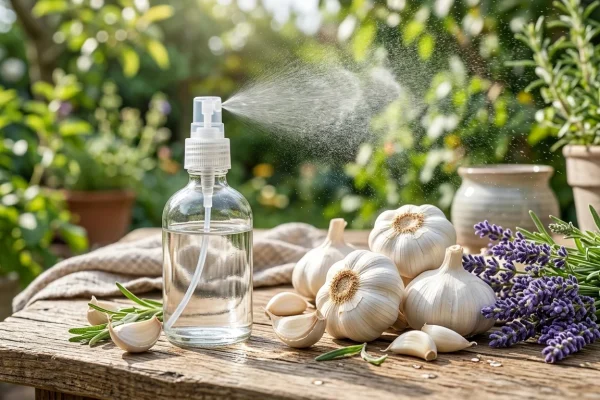
Warm weather signals a return to outdoor entertaining, but not every visitor belongs in your backyard. Rats can quickly become a relentless problem if left unchecked.
Early detection and proper yard maintenance are vital. However, one everyday kitchen staple could be the key to making your property far less inviting to pests.
Why Garlic Works as a Rat Repellent
Garlic is famous for elevating recipes, but its intense aroma makes it a potent natural deterrent for rats. The secret lies in allicin, a naturally occurring compound that produces a pungent odor rodents actively avoid.
“Rodents rely heavily on their sense of smell to detect food and danger,” explains Daniel Steward, managing director at Shield Pest Control. “An overpowering scent like garlic signals that an area is unsafe and discourages them.”
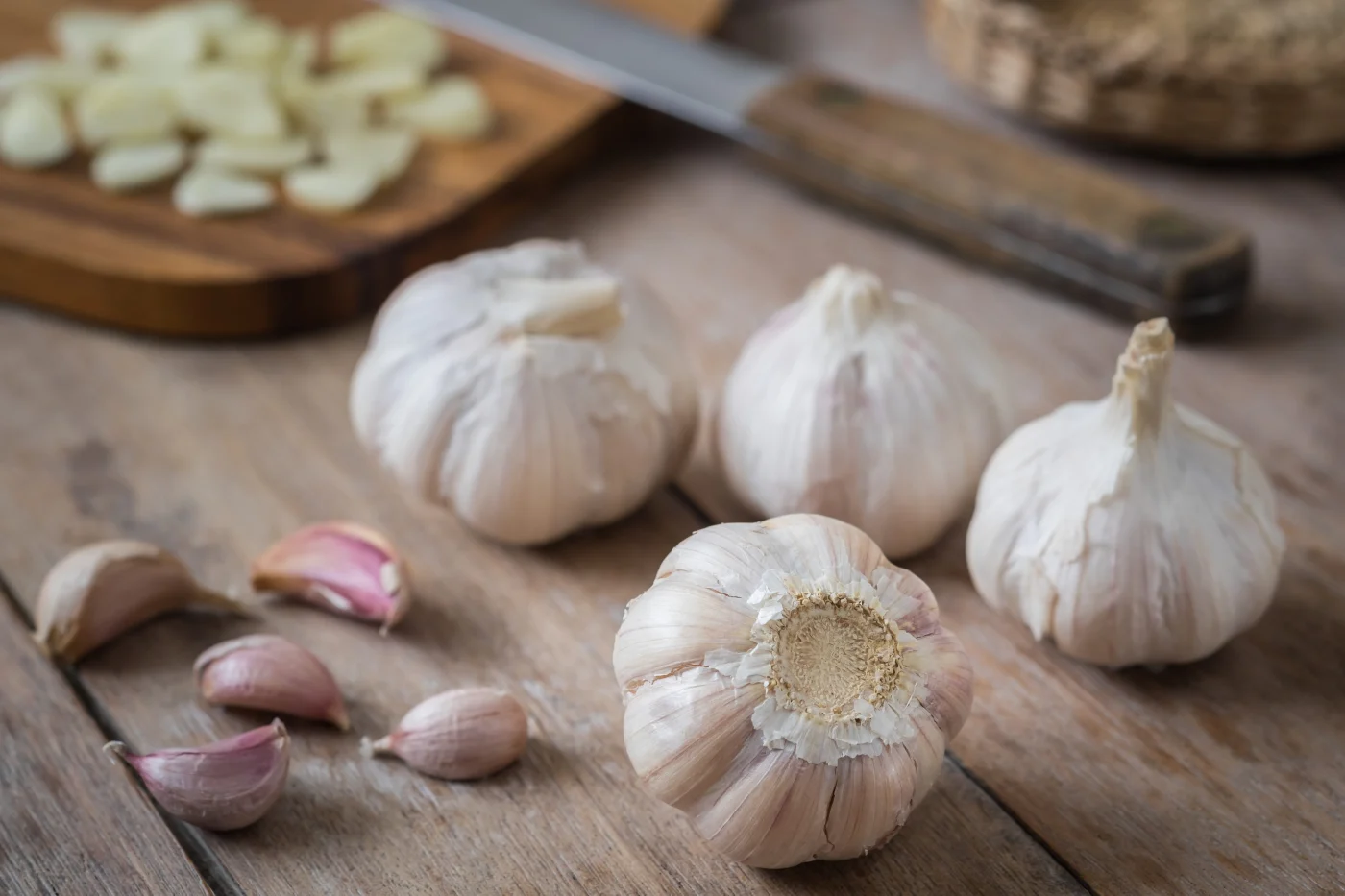
Garlic on a wooden table.
While effective, garlic should not be your only line of defense. It works best when combined with rigorous garden upkeep, such as securing bins and eliminating nesting spots.
5 Warning Signs Rats Are in Your Yard
Before deploying natural repellents, you need to confirm whether rats are actually present. Experts recommend looking for these specific indicators:
- Droppings: Look for small, dark pellets near sheds, decking, and bird feeders. Fresh droppings are shiny and dark; older ones turn dry and light.
- Gnaw marks: Rats chew constantly to file their teeth. Inspect fences, furniture, and plant pots for fresh damage.
- Burrows and runs: Watch for holes beneath sheds and well-worn trails flattened into long grass.
- Nesting materials: Piles of shredded paper, dried leaves, or grass hidden in sheltered corners point to an active nest.
- Plant damage: Half-eaten fruits, chewed stems, and exposed roots indicate rodents are treating your garden like a buffet.
How to Apply Garlic in the Garden
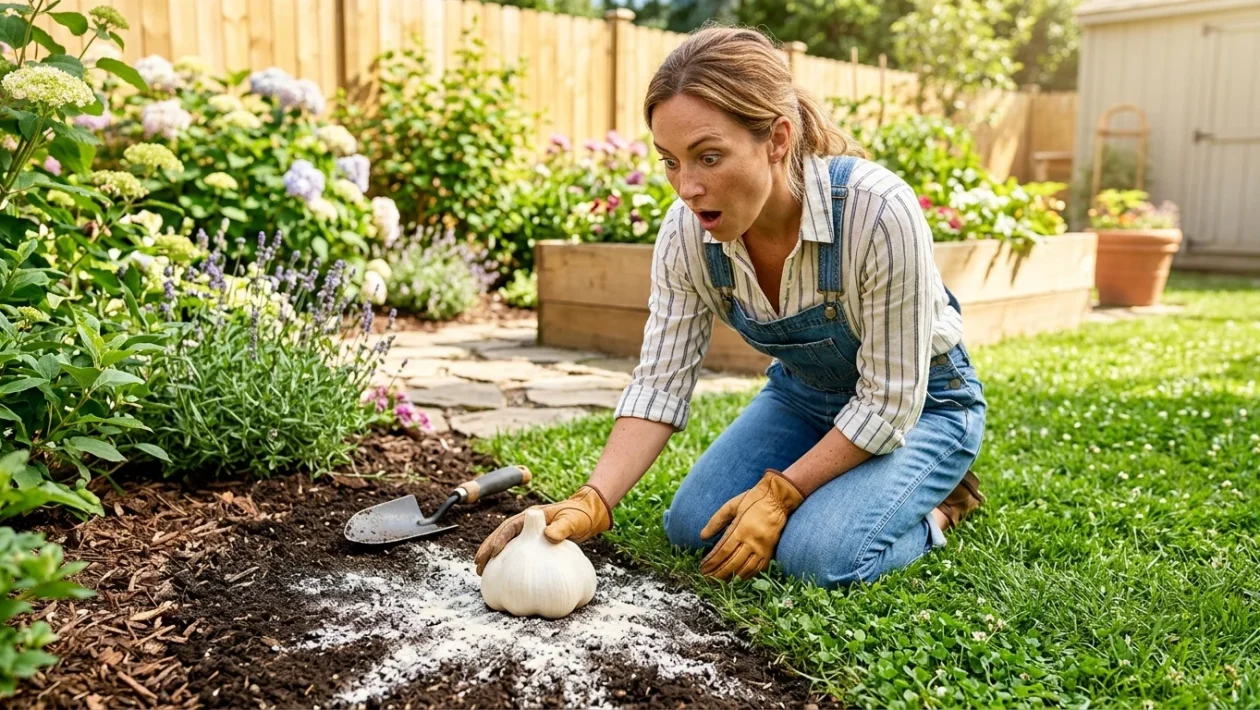
If you spot signs of rodent activity, immediately sprinkle garlic powder around high-risk zones. Target fence lines, bins, decking, and the perimeter of your shed.
For a longer-term solution, incorporate live plants. “Plant garlic around the edges of the garden, near doors and borders,” Steward says. “It helps create a scent barrier that discourages rats from coming near in the first place.”
Garlic powder loses its potency over time. Always reapply the powder after heavy rainfall to maintain the protective scent barrier.
Other Scent-Based Alternatives
If you prefer to avoid the smell of garlic, several other natural fragrances can help repel unwanted garden guests.
- Peppermint oil: Soak cotton balls in the oil and leave them near active areas, or mix the oil with water for a homemade spray.
- Lavender: Incorporate lavender plants into your borders or use a specialized spray. Rats generally steer clear of the strong floral scent.
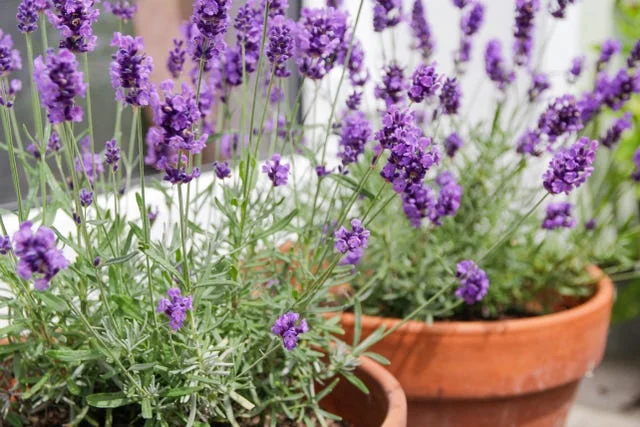
Lavender growing in pots.
- Cinnamon: Dust ground cinnamon heavily around trash bins, sheds, and popular rodent pathways.
- Vinegar: Combine equal parts white vinegar and water. Spray the mixture around entry points for a sharp, off-putting odor.
- Mint and rosemary: Plant these aromatic herbs near doorways and fences to organically lower your yard’s appeal to pests.
Eliminating the Attraction
Scent barriers are useless if your yard offers free food and cozy shelter. Make your property inhospitable by cutting off vital resources.
Invest in catch trays for bird feeders to stop seeds from hitting the ground. Keep compost bins tightly shut and never leave pet food outside overnight.
Rats can squeeze through shockingly narrow openings. Seal any cracks in your home’s foundation and block gaps under exterior doors. Keep your lawn short and your hedges heavily pruned to destroy natural hiding spots.
When to Call Pest Control
Natural repellents are a preventative measure, not a cure for an established infestation. Rodents breed at an alarming rate, posing serious health risks and causing severe property damage.
If rats are a frequent sight or the problem continues to grow, do not wait. Steward advises calling a licensed pest control professional immediately to assess the property and implement aggressive eradication measures.
Upgrading Your Rat-Free Garden
Once the pests are gone, you can safely reclaim your outdoor living space. Consider refreshing the yard with durable, rat-proof decor and essential garden accessories.
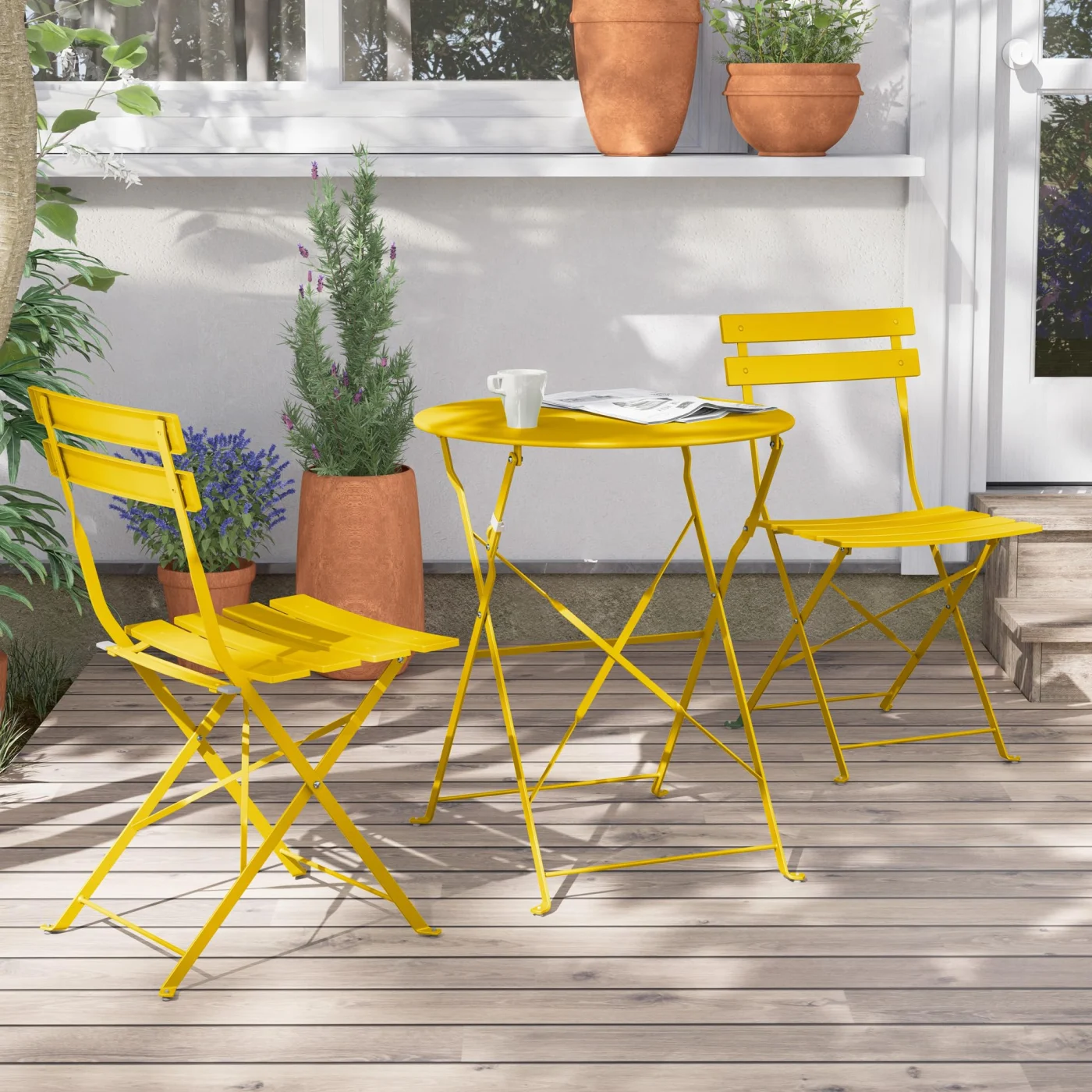
A 3-piece folding bistro set.
Metal and synthetic furnishings resist gnawing far better than cheap plastics or untreated woods.
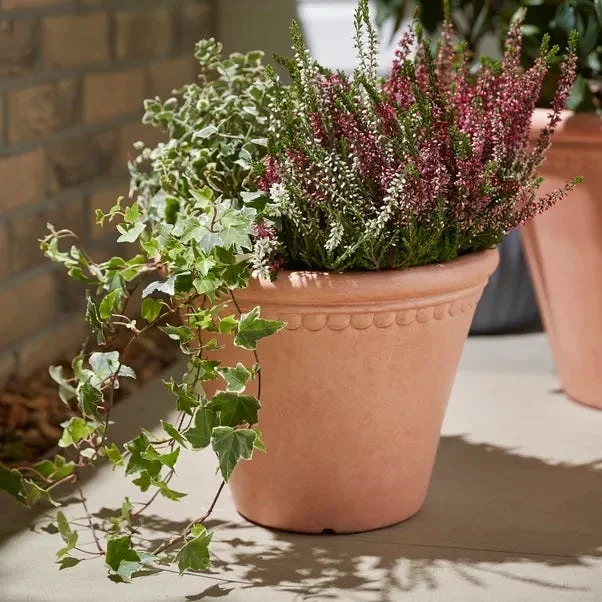
A scalloped edge smooth fibre clay plant pot.
Sturdy planters are crucial for growing herbs like rosemary or mint to naturally fortify your space against rodents.

Marcy 2-Seater Sling Garden Sofa in Greige.
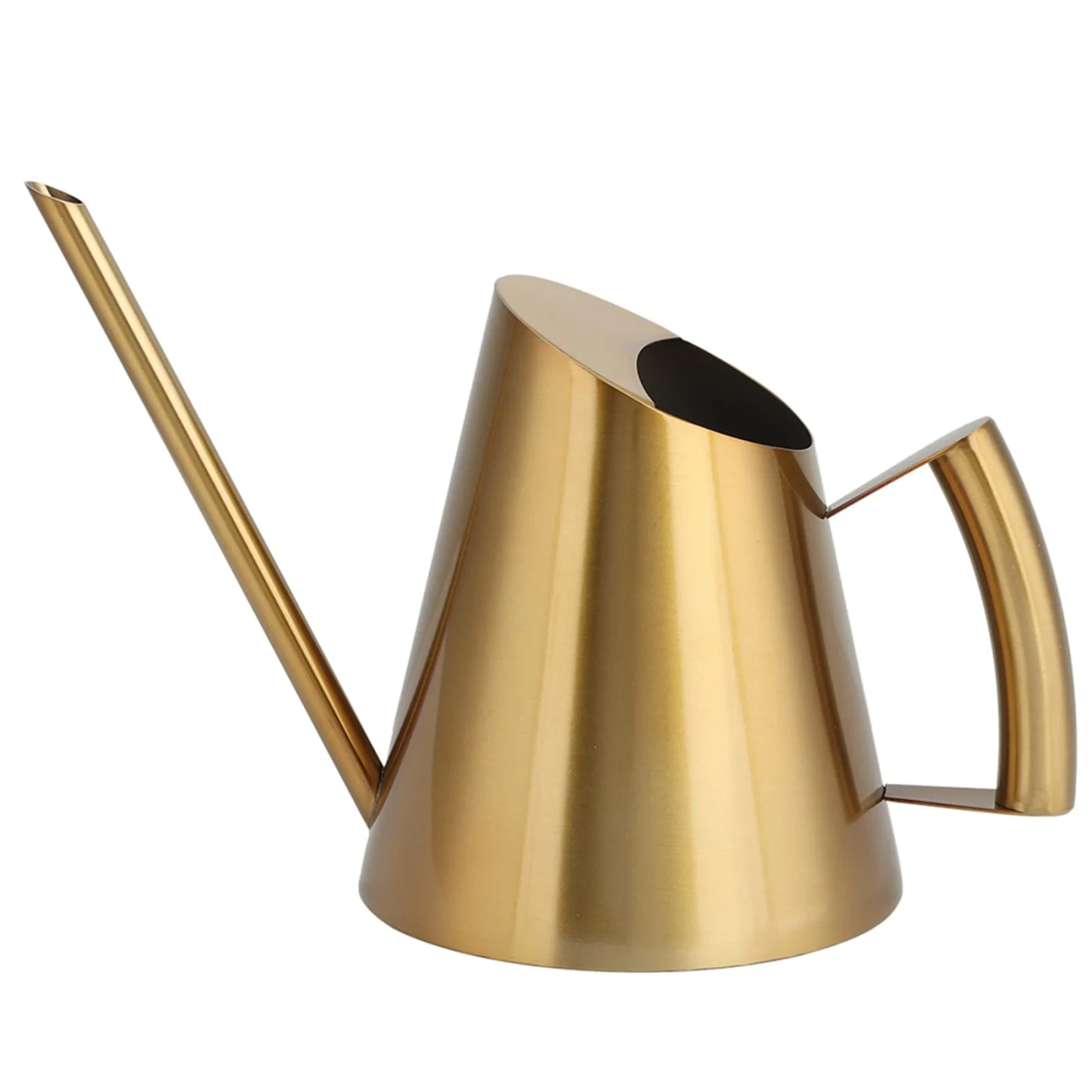
A Gsycle watering can.
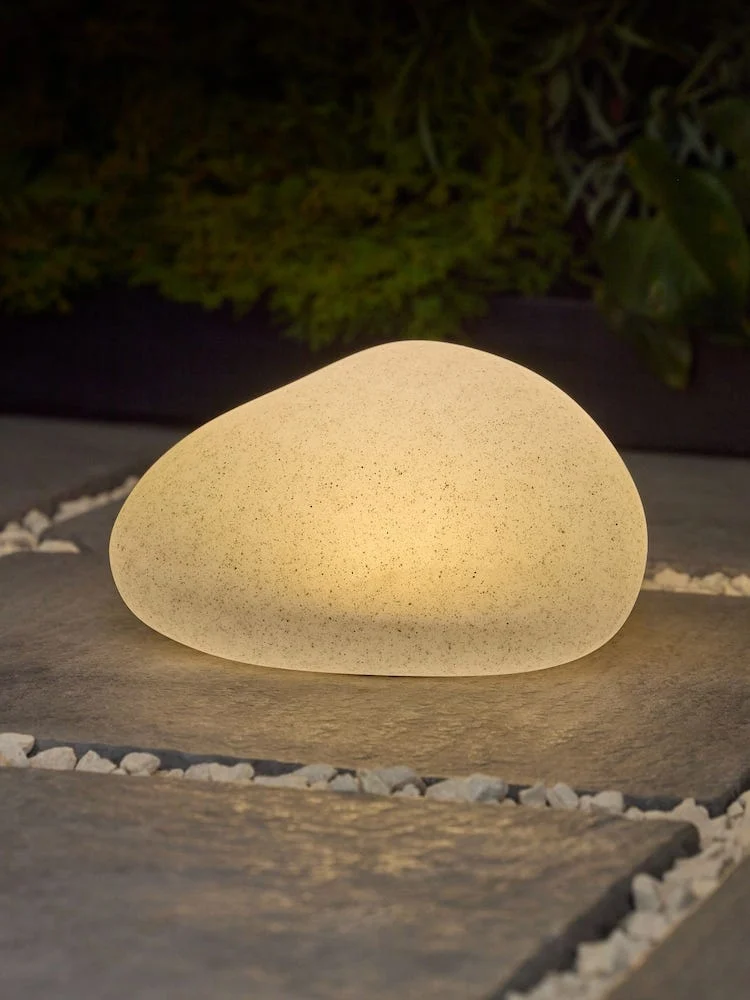
A natural pebble outdoor solar light.
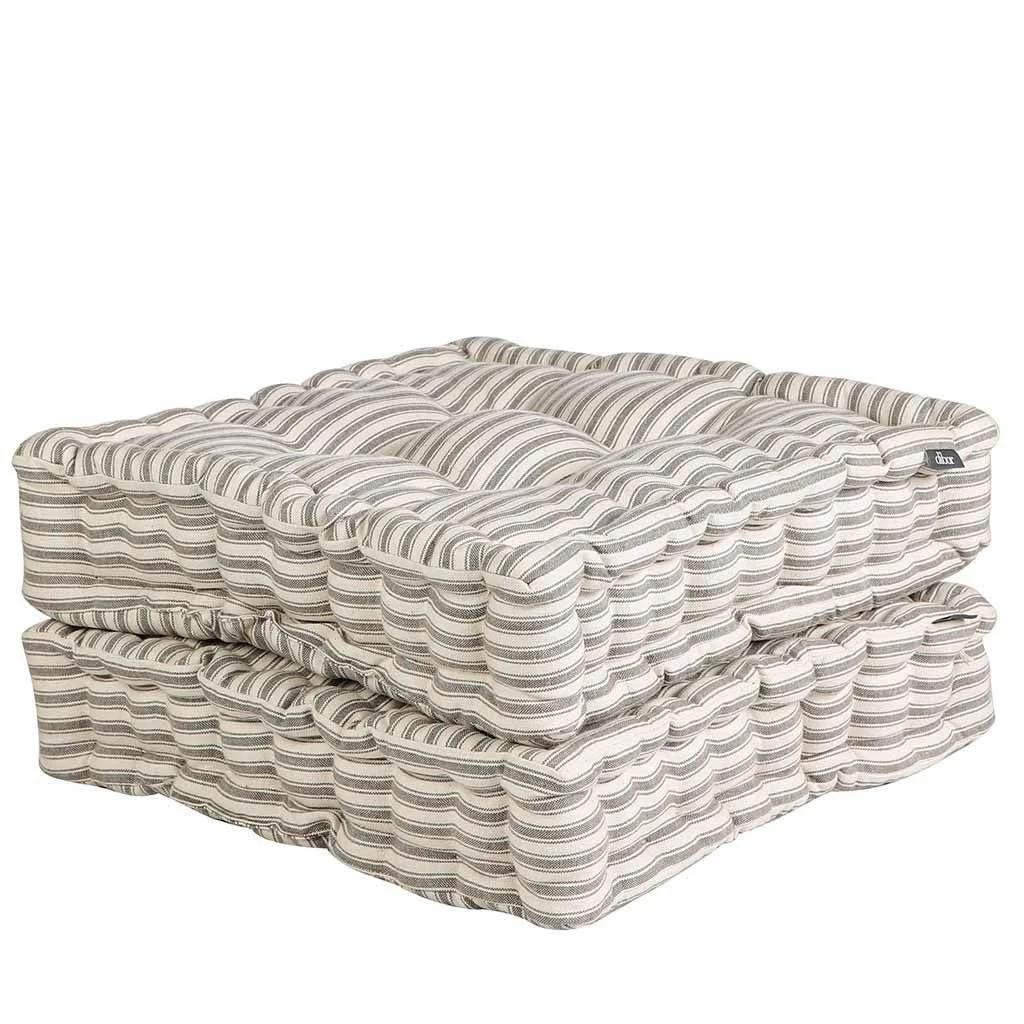
Dibor dining chair seat pad set.