The Anatomy of a Perfect Amish Donut
True Amish-style donuts are defined by one specific characteristic: a distinctively pillowy interior paired with a slightly chewy exterior. Unlike the cake-heavy variety or the intensely yeasted versions found at mass-market chains, these donuts strike a delicate balance.
They are not overly sweet, which allows the quality of the dough to shine. When executed correctly, the crumb is tight but tender, providing a satisfying mouthfeel that holds up perfectly under a light glaze.
The Foundation: Essential Dough Ingredients
Success starts with high-quality ingredients. Because this recipe relies on yeast for lift, the freshness of your yeast is non-negotiable. If you haven’t checked the expiration date on your yeast packets, do it now.
- All-Purpose Flour: Provides the necessary structure without being too tough.
- Whole Milk: The fat content is crucial for a rich, soft dough.
- Active Dry Yeast: The engine of the rise; ensure it blooms properly in warm liquid.
- Unsalted Butter: Incorporating room-temperature butter ensures the dough remains supple during the kneading process.
Mastering the Rise
The secret to that “melt-in-your-mouth” quality is patience. After mixing your dough, it needs a warm, draft-free environment to double in size. Avoid the temptation to rush this stage.
Once the dough has risen, handle it gently. Over-kneading at this stage will toughen the gluten strands, leading to a dense, bread-like texture rather than the airy finish you want. Roll the dough to about half an inch thick for the ideal balance between thickness and fry-time.
Precision Frying for the Best Texture
Temperature control is the most critical element of the frying process. If your oil is too cool, the dough will soak up excess fat, resulting in a greasy, heavy donut. If the oil is too hot, the exterior will burn before the center has a chance to cook through.
Aim for an oil temperature between 350°F and 375°F. Using a heavy-bottomed pot, such as a Dutch oven, helps maintain a consistent heat level throughout the frying process.
Drop the rings in carefully—don’t overcrowd the pot. Crowding lowers the oil temperature rapidly, which is the fastest way to ruin your batch. Fry until both sides are a deep golden brown, then drain on a wire rack rather than paper towels to prevent the bottoms from steaming and becoming soggy.
The Finishing Touch
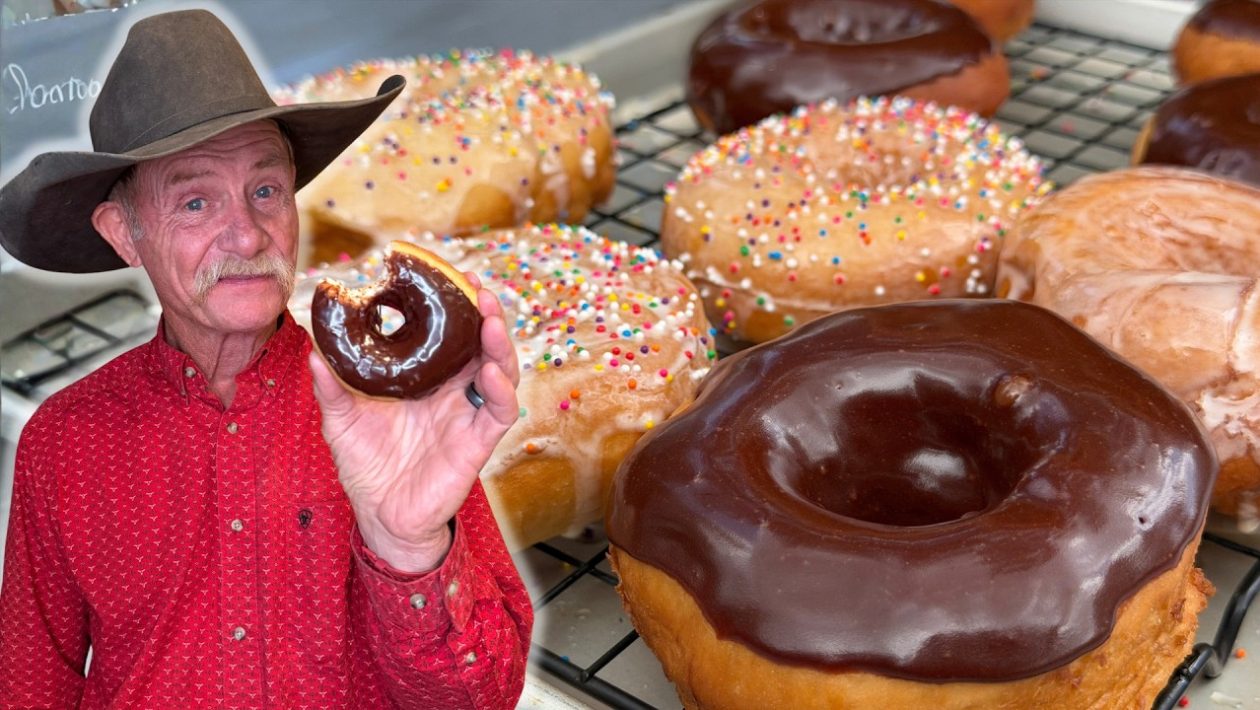
Amish donuts are traditionally finished with a simple confectioners’ sugar glaze. For the best consistency, whisk your glaze until it is smooth and thin enough to coat the donut without clumping.
Apply the glaze while the donuts are still slightly warm. This allows the glaze to set into a thin, translucent shell that adds the perfect hint of sweetness without overpowering the subtle, buttery notes of the dough. Serve them immediately while they are still fresh; the texture is best within the first few hours after frying.