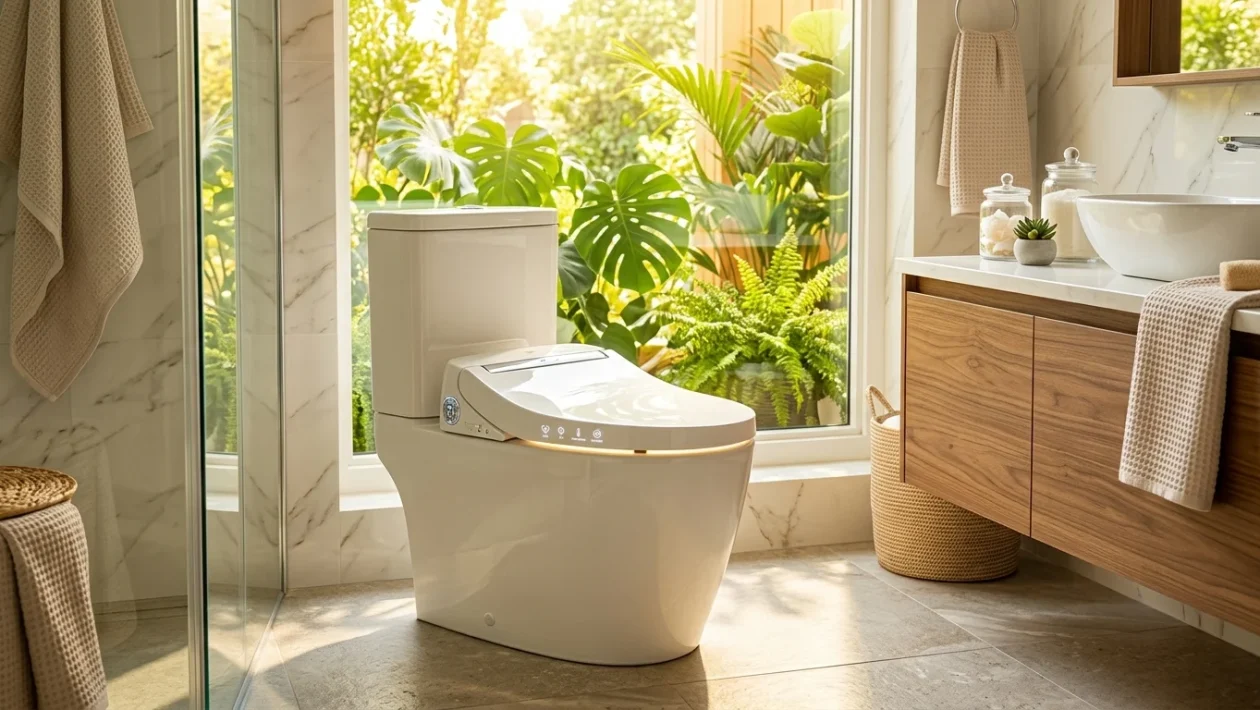
The traditional bathroom is undergoing a massive technological overhaul. What was once a purely functional space is transforming into a high-tech hygiene hub.
Smart toilets are driving this shift. Once viewed as luxury novelties found only in high-end hotels or Asian markets, these devices are now projected to be a dominant global housing trend heading into 2026.
The Rise of the Washlet
Originally popularized in Japan, washlets are single-unit fixtures that combine a standard toilet with advanced bidet technology. They are rapidly expanding into residential homes worldwide.
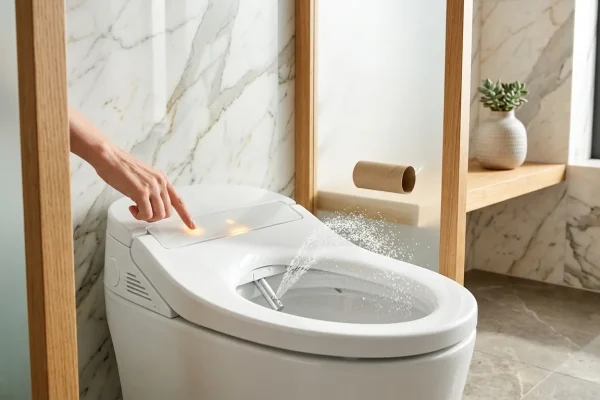
These devices use customizable water-cleaning systems. Users can adjust the water’s temperature, pressure, and direction to suit their exact preferences.
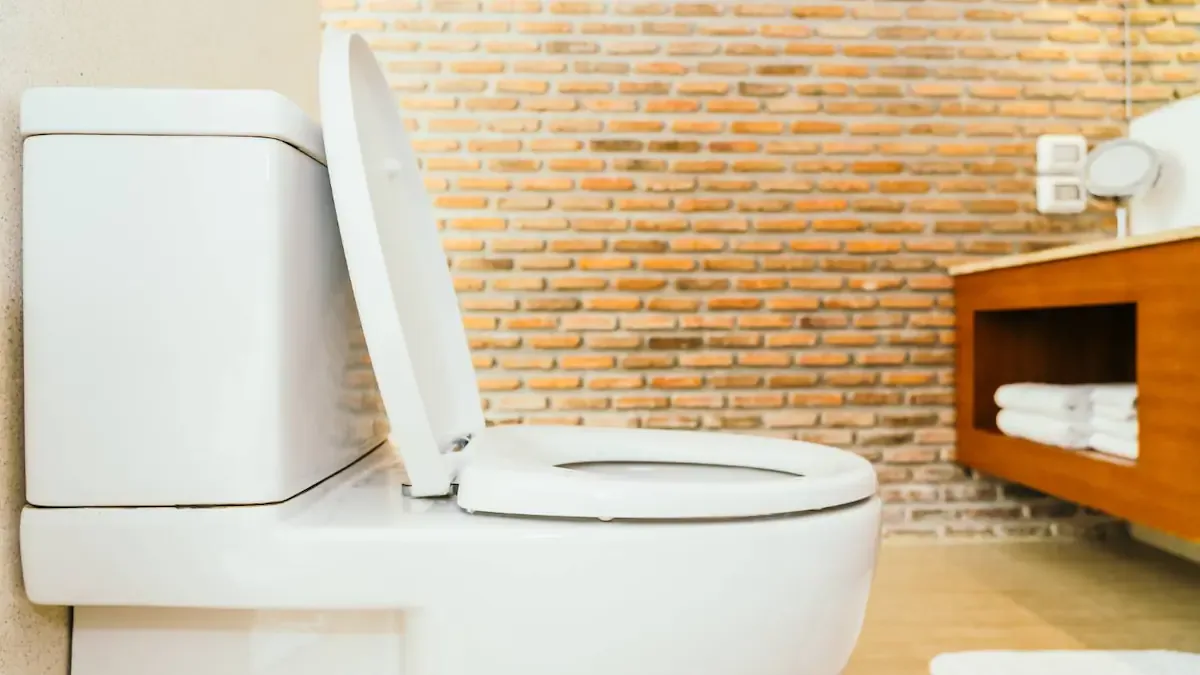
A modern smart toilet positioned as a major global trend for residential bathrooms.
Modern units also feature warm-air drying, heated seats, and motion sensors that instantly detect when a user enters the room. Architects and interior designers are increasingly writing them into the standard blueprints for new construction projects.
Phasing Out Toilet Paper
The most disruptive element of the smart toilet boom is the move away from toilet paper. Water-based cleaning provides a far more thorough and sanitary result than traditional wiping.
This hands-free approach limits bacterial exposure and is significantly gentler on the skin. To further elevate hygiene, manufacturers are outfitting these toilets with built-in antibacterial materials and self-cleaning rinse cycles.
The environmental payoff is equally massive. Eliminating toilet paper slashes household paper consumption, directly lowering the demand for natural resources and aligning with global sustainability goals.
The Reality of Maintenance
While automated technology drastically reduces daily bathroom upkeep, these systems are not entirely hands-off. Owners still need to perform regular manual cleaning.
Maintaining a basic disinfection routine remains necessary to prevent long-term bacteria buildup and odors. Even the most advanced self-cleaning nozzles require periodic wiping and inspection.
As this technology normalizes, standard household habits are shifting. The integration of smart toilets proves that every corner of the modern home is being optimized for comfort, efficiency, and sustainability.