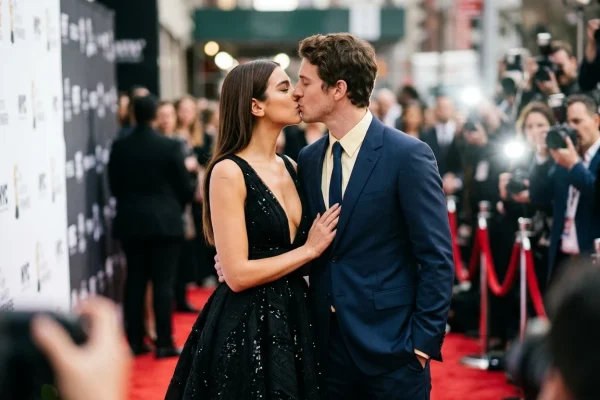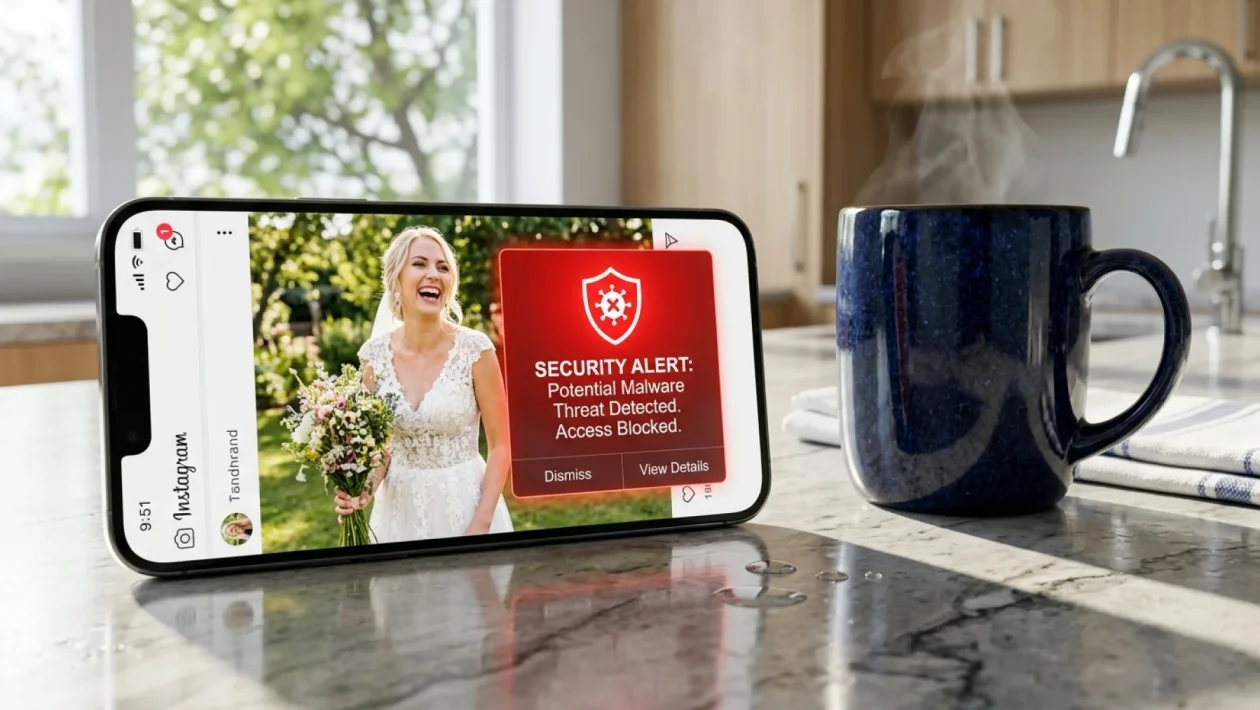
You woke up, checked your phone, and there it was dominating your feed. Taylor Swift, looking absolutely radiant in a custom lace gown, standing at a sun-drenched altar. Your group chats are already exploding with heart emojis, breathless speculation, and links to the full gallery.
But before you forward that “exclusive leak” to your sister, you need to hit the brakes. The truth behind these viral wedding shots is significantly darker than a secret celebrity romance.
I am going to show you exactly how this massive digital illusion was engineered. More importantly, you are about to see why the innocent-looking link you just tapped might be quietly harvesting your personal data right now.
The Disturbing Reality Of The “Perfect” Bridal Look
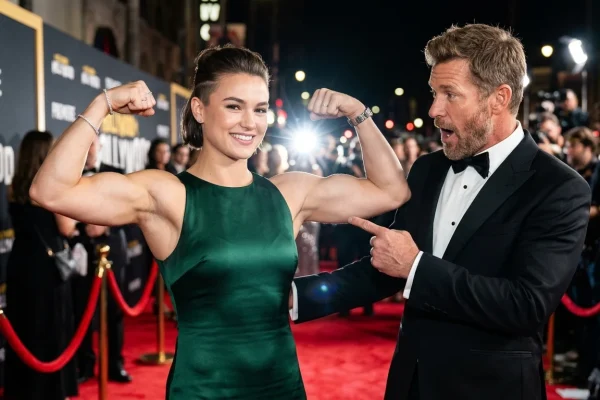
Let us look closely at what you are actually sharing. The lighting is flawless, the dress is immaculate, and the paparazzi angles seem almost too lucky. That is because none of it is real.
These images are the product of next-generation generative AI, fine-tuned to prey on our collective obsession with celebrity milestones. We are living in July 2026, and the digital tools available to scammers have crossed a terrifying threshold.
According to a recent summer threat brief from BlackBerry Cybersecurity, click-through malware disguised as viral celebrity imagery has spiked by a staggering 400% this year alone. You aren’t just looking at a fake photo; you are staring at a highly optimized phishing trap.
The Technology Behind The World’s Biggest Fake-Out
If you think you can easily spot a deepfake, think again. The creators behind this specific campaign didn’t just use standard consumer apps.
They fed thousands of real, high-resolution images of the pop star into private, localized AI models. By mapping her exact facial structure onto virtual bridal mannequins, they bypassed the usual uncanny valley effect.
“We are witnessing a massive evolution in predatory clickbait,” notes Marcus Vance, a lead digital forensics analyst. “These aren’t just harmless fake pictures anymore. They are highly sophisticated digital nets designed to catch emotionally invested fans totally off guard.”
How These “Leaked Photos” Actually Invaded Your Feed
So, how did a fake wedding album become the number one trending topic in North America overnight? It was a coordinated strike.
Bot farms seeded the images across platforms like X and TikTok simultaneously, attaching them to sensationalized headlines. The moment real users started debating the authenticity in the comments, the algorithm poured gasoline on the fire.
Here is the kicker: the original posts often contain links promising “video footage of the vows.” Clicking these links frequently redirects users to spoofed login pages. Before you know it, you are typing your credentials into a site that looks identical to your Rogers or Bell customer portal, handing scammers the keys to your digital life.
The Hidden Danger When Everyone Shares The Same Lie
When you share these images, even just to say “Look how fake this is,” you are actively funding the bad guys. Every share trains the algorithm to prioritize this malicious content over legitimate news.
To keep your network safe, you need to know exactly how to deconstruct these viral illusions. Let us break down the dead giveaways.
| Real Paparazzi Photos | AI-Generated Fakes |
|---|---|
| Inconsistent lighting, awkward shadows | Hyper-perfect studio lighting outdoors |
| Background crowds have distinct faces | Background faces are blurred or melted |
| Jewelry reflects the surrounding environment | Jewelry has flat, unnatural metallic textures |
How To Vet Viral Content Like A Pro
You don’t need a degree in computer science to protect yourself. As an experienced digital handyman, I recommend following this exact process before you ever hit the share button.
- Check the extremities: Zoom in closely on hands, fingers, and teeth. AI still struggles immensely with complex human anatomy, often generating six fingers or fused fingernails.
- Look for the watermark: Many AI generation tools embed tiny, distorted watermarks in the bottom corners of the image. Scammers often crop these poorly.
- Do a reverse image search: Screenshot the image and run it through Google Lens. If no reputable news outlet is reporting on it, you are looking at a fabrication.
- Inspect the link URL: If a post directs you to a website with a strange domain (like .cc or .biz) instead of a known publisher, close the tab immediately.
Frequently Asked Questions
Did Taylor Swift actually get married this summer?
No. There is zero verified confirmation from the artist, her publicist, or any reputable journalism outlet regarding a secret wedding. The current viral photos are 100% fabricated.
Can simply looking at an AI image put a virus on my phone?
Viewing an image natively on an app like Instagram or TikTok is generally safe. The danger lies in clicking the external links attached to these images, which often host malware or aggressive phishing scams.
Is it illegal for people to make these fake celebrity images?
The legal landscape in 2026 is actively shifting. While creating fake images for parody is often protected, using a celebrity’s likeness to distribute malware or defraud users violates multiple cybercrime laws across North America.
🤝 Share your thoughts with me in the comments below, and let me know if these AI fakes managed to fool your friends this week.
💡 Remember, we are navigating a wild new digital frontier. A healthy dose of skepticism is the best security software you can possibly install.
📱 If you found this breakdown helpful, send it to that one friend or family member who believes everything they see on social media.
👇 Stay sharp out there, trust your gut, and good luck keeping your feeds clean!