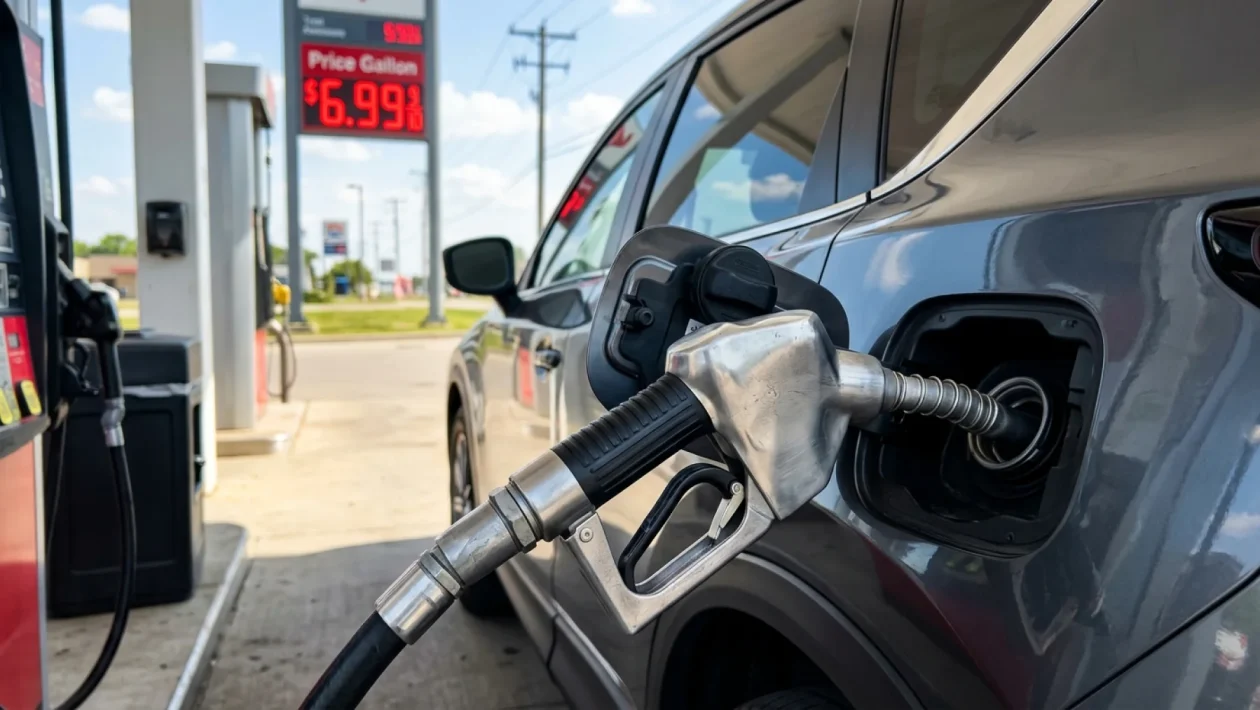
July 2026 is officially one for the history books. Iran has just slammed the door shut on the Strait of Hormuz, instantly choking off a massive chunk of the global energy supply. If you thought inflation was finally taking a breather this summer, it is time to buckle up.
We are watching the biggest supply chain disruption of our lifetime unfold in real-time. I am going to break down exactly what this geopolitical earthquake means for your next trip to the pump, and more importantly, how you can shield your household budget from the inevitable fallout.
Strait Of Hormuz Closed: The Geopolitical Earthquake
You do not need to be a foreign policy expert to understand why this matters. The Strait of Hormuz is the most critical oil chokepoint on the planet.
At its narrowest, this shipping lane is just 21 miles wide, yet an astonishing 21 million barrels of oil flow through it every single day. That is roughly 20 percent of global petroleum consumption suddenly trapped behind a military blockade.
While North America produces a lot of its own energy, oil is a global market. When Middle Eastern supply vanishes, the panic buying starts immediately, sending crude prices into the stratosphere.
What Iran’s Blockade Actually Looks Like On The Water
This is not just a political standoff; it is a logistical nightmare. When a waterway this vital gets shut down, the ripple effects hit the ocean freight industry instantly.
Here is exactly how a naval blockade paralyzes the global energy grid:
- Immediate Halt: Major shipping insurers instantly pull their coverage for vessels in the Persian Gulf, forcing massive tanker fleets to drop anchor and wait.
- Rerouting Chaos: Ships already at sea are forced into massive detours, burning hundreds of thousands of dollars in extra fuel while delaying deliveries by weeks.
- Supply Gridlock: Storage facilities in allied countries begin draining their strategic reserves to make up for the sudden lack of inbound tankers.
“The Strait of Hormuz is the global economy’s jugular. Closing it isn’t just a regional dispute; it is an immediate, punishing tax hike on every consumer item that moves,” noted a senior maritime logistics analyst this morning.
The Brutal Truth About Summer Gas Prices
Let’s bring this right down to your driveway. We are in the dead heat of July 2026, prime summer driving season, and the worst possible time for an energy shock.
When global crude spikes, you are going to see it immediately at your local Petro-Canada or Husky station. Gas stations base their pump prices on the replacement cost of fuel, meaning the hike happens long before the actual shortage hits our shores.
Even though Western Canadian Select and US shale production are running at high capacity, they simply cannot pump fast enough to replace 21 million missing barrels overnight. Expect severe price volatility at the pumps for the foreseeable future.
Protecting Your Wallet During An Oil Shock
You cannot control global geopolitics, but you can control your household burn rate. When energy prices surge, everything from groceries to hardware store supplies gets more expensive.
Being proactive is your best defense against this kind of sudden economic squeeze. Here is a quick breakdown of what to expect and how to counter it.
| The Market Impact | Your Smart Strategy |
|---|---|
| Record-high pump prices | Consolidate weekly errands and actively use fuel reward programs. |
| Spiking grocery delivery fees | Switch to bulk curbside pickup to dodge fuel surcharges. |
| Rising utility bills | Optimize your summer AC usage and seal home drafts immediately. |
Frequently Asked Questions
Can North America produce enough oil to ignore the blockade?
No. While the US and Canada are massive energy producers, the global market is deeply interconnected. A loss of Middle Eastern oil creates a global bidding war, which drives up prices domestically regardless of our own production levels.
How long can a blockade of the Strait of Hormuz realistically last?
Historically, aggressive posturing lasts a few weeks, but a hard military closure is uncharted territory. International pressure usually forces a resolution quickly, as a prolonged shutdown would trigger a severe global recession.
Should I fill up extra gas cans right now?
Absolutely not. Panic buying only creates artificial, localized shortages and creates massive fire hazards in your garage. Buy what you need for your normal routine, but stay calm and ride out the initial market panic.
Final Thoughts
🤝 We have weathered energy storms before, and we will absolutely get through this one. The key right now is to stay informed, avoid panic, and make smart adjustments to your daily routine.
💡 Look for the hidden savings in your monthly budget today, because those extra dollars are going to come in handy at the gas pump over the next few weeks.
📱 Share your thoughts with us in the comments below—are you already seeing price jumps in your neighborhood, and how are you adapting?
👇 Good luck out there, stay safe on your summer road trips, and keep your eyes peeled for more updates as this global situation develops.