If you have been tracking the Owen Maximilien trial, you already know the gears of justice have ground to a frustrating halt halfway across the world. An ordinary vacation turned into a high-stakes legal nightmare, and now, the highly anticipated court dates are being pushed back yet again. We are cutting through the heavy legal jargon to show you exactly why this Canadian’s case is sitting in neutral and how a simple misunderstanding abroad can trap you in a foreign system for months. Let’s dig into the details and get you up to speed.
The real reason behind the Owen Maximilien trial delay
Here is the unvarnished truth about what is clogging up the docket this July 2026. Legal teams on both sides are scrambling because cross-border evidence gathering is an absolute logistical nightmare. When a foreign national is involved, every single document needs to be rigorously authenticated.
The defense is fighting tooth and nail to secure witness statements from people back in North America. Coordinating time zones, securing sworn affidavits, and getting those documents officially recognized by a strict overseas court takes time. It is not like fixing a leaky pipe where you just grab a wrench; international law requires specialized tools, and right now, the toolbox is caught in customs.
Why this specific Singapore tourist case is completely stalled
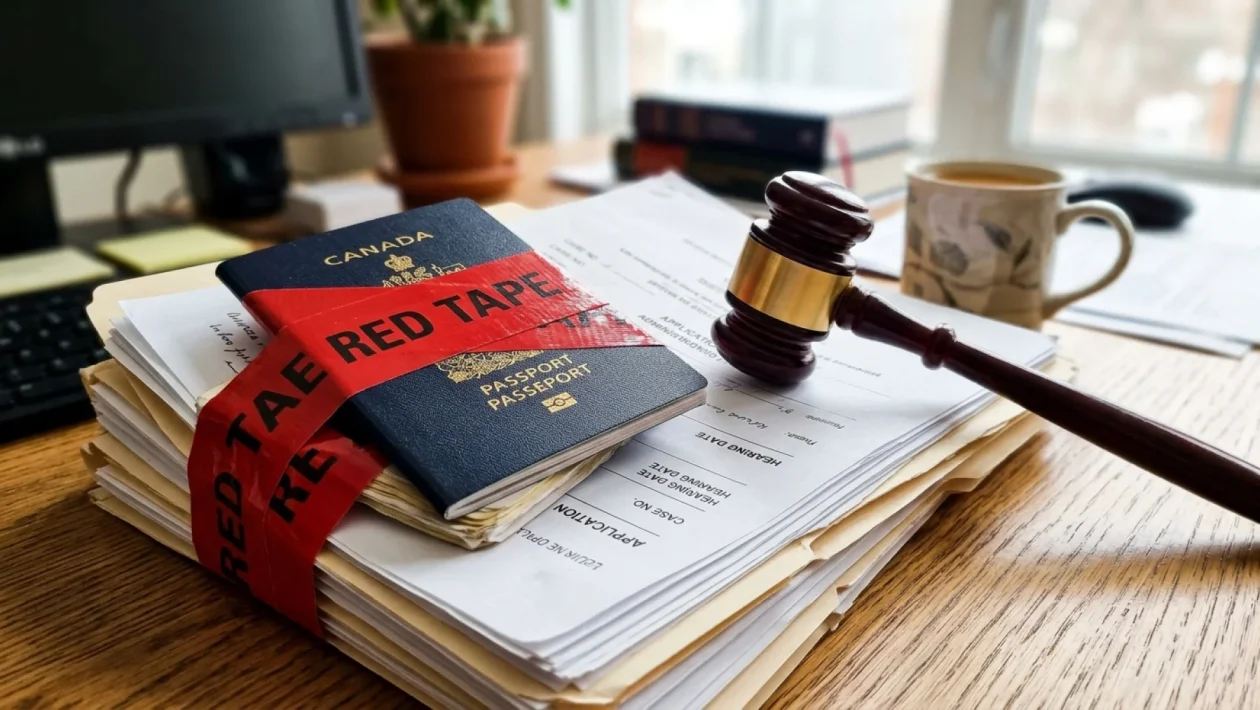
You might be wondering how a seemingly straightforward incident gets bogged down in a notoriously efficient country. It comes down to bureaucratic red tape and rigid translation protocols between Canadian authorities and local prosecutors. Singapore does not mess around with procedural errors.
“When dealing with foreign nationals, the Singapore courts triple-check every evidentiary document, which easily turns a three-week summary trial into a ten-month waiting game,” explains Marcus Teo, a veteran international defense attorney.
The local magistrate simply refuses to move forward until the defense’s massive pile of digital evidence is forensically verified. They are effectively hitting the pause button to ensure the trial is airtight, leaving the defendant stranded in legal purgatory.
What this legal limbo means for everyday Canadian travelers
This isn’t just about one guy sitting in a hotel room waiting for a gavel to bang. It is a massive wake-up call for anyone packing their bags for Southeast Asia this summer. You need to understand the realities of the ground you are walking on.
Here is a harsh reality check: Singapore boasts a criminal conviction rate of over 99%, meaning once you are charged, the odds are heavily stacked against you. If you think your standard Manulife travel insurance policy covers criminal defense retainers or indefinite hotel stays abroad, you are in for a brutal surprise.
| Legal Factor | Canada vs. Singapore |
|---|---|
| Trial Scheduling | Months (Backlogged system) vs. Usually weeks (Strictly enforced) |
| Bail for Tourists | Commonly granted vs. Extremely rare (High flight risk) |
So, how do you protect yourself if things go sideways overseas? Follow this playbook to the letter:
- Keep your mouth shut: Do not try to “explain” your way out of a situation to local police without representation. It will backfire.
- Contact the consulate immediately: Your very first call is to Global Affairs Canada, not your buddies back home.
- Hire local boots on the ground: Get an attorney licensed in that specific jurisdiction right away. Canadian lawyers cannot save you in a foreign courtroom.
Frequently Asked Questions
Is Owen Maximilien allowed to leave Singapore during the delay?
Absolutely not. His passport has been impounded, which is standard procedure for foreign nationals facing pending trials in the city-state. He is grounded until a verdict is reached.
Will the Canadian government step in to bring him home?
While consular services provide basic assistance like helping find local lawyers, the Canadian government cannot legally interfere with or override the judicial process of a sovereign nation.
🤝 Navigating foreign courts is about as fun as fixing a busted transmission on the side of the Coquihalla highway, but staying informed is always your best defense.
💡 The bottom line is that respecting local laws to the absolute letter isn’t just polite; it is your only real safety net when leaving home.
📱 Share your thoughts on this dragging legal case with your travel buddies, especially those booking flights across the Pacific this year.
👇 Safe travels out there, keep your wits about you, and always double-check the local rules before you stamp that passport!