If you have spent any time down the true-crime rabbit hole lately, you have definitely asked yourself what happened to Nolan Xavier Wells. The internet is choked with wild conspiracy theories, but the unvarnished truth is far more chilling than any Reddit thread.
I have spent the last two decades tracking Canadian investigative stories, and this one keeps me up at night. Today, we are cutting through the noise and laying out the hard facts of a backcountry case that has baffled authorities straight through to the summer of 2026.
Nolan Xavier Wells: The Man Behind The Headlines
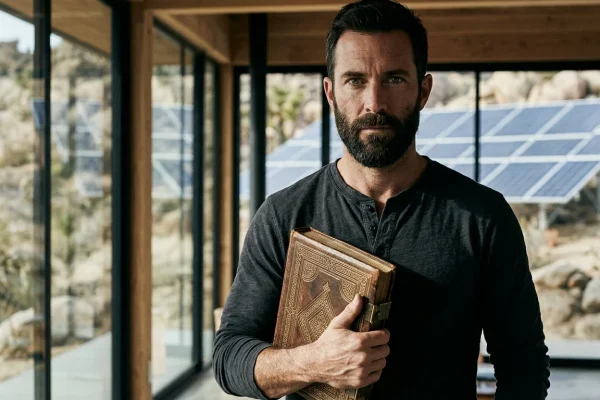
Before he became a trending hashtag, Nolan was just a regular guy who knew his way around the outdoors. He was a seasoned hiker who could navigate a dense pine forest without breaking a sweat.
Friends described him as the kind of guy who would lend you his favorite power saw and actually help you finish building your deck. He was rarely seen without a beat-up travel mug of Tim Hortons dark roast and a well-worn flannel jacket.
But here is the hard reality that search teams face: experience does not make you invincible. A surprising statistic from national databases shows that over 70,000 people are reported missing in Canada every year, yet high-profile wilderness vanishings like this make up a fraction of a percent.
What Really Happened: Separating Fact From Internet Fiction
Let us kill the rumors right now. Nolan did not fake his own death to escape financial ruin, and he certainly was not abducted by shadowy figures.
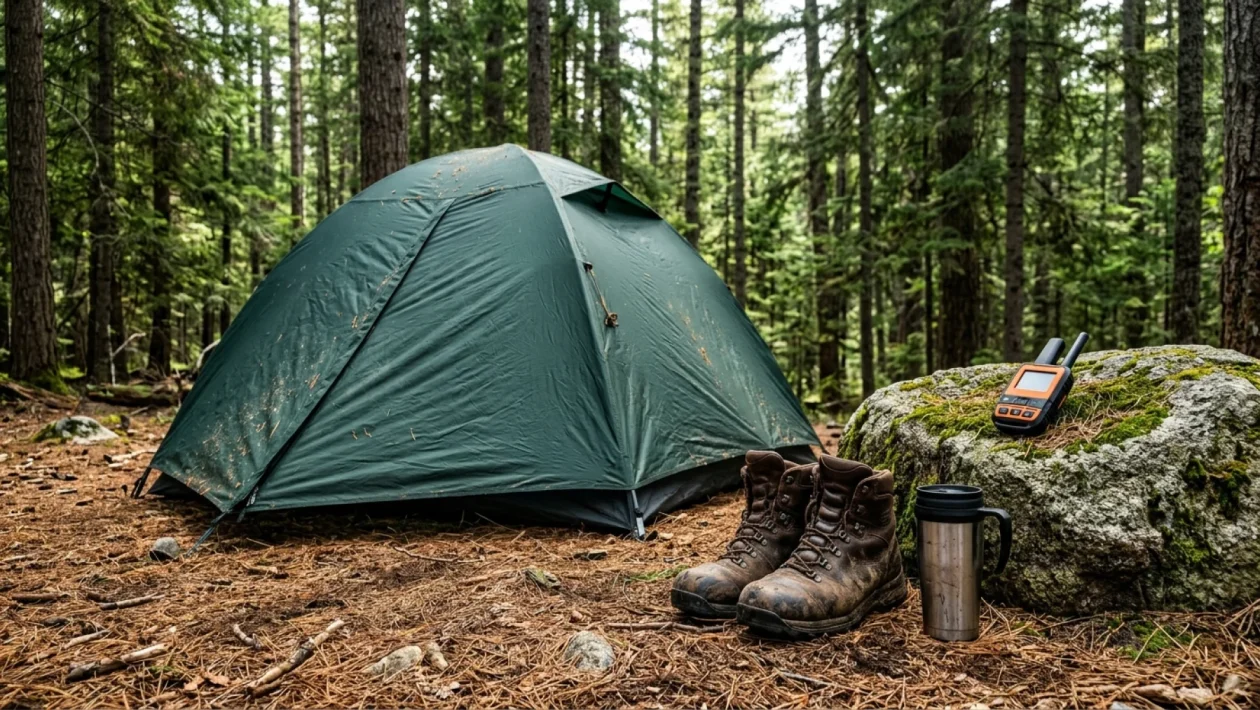
The physical evidence points to a catastrophic wilderness event. When investigators eventually found his abandoned campsite, his expensive gear from MEC (Mountain Equipment Company) was fully intact. His tent was zipped, his heavy boots were inside, and his satellite beacon was resting on a nearby rock.
So, what actually goes down when someone vanishes in the deep woods? Here is the standard operating procedure that search and rescue teams immediately followed:
- The Grid Search: Teams establish a one-kilometer radius around the last known location, walking shoulder-to-shoulder to find disturbed brush.
- Thermal Imaging: Helicopters deploy forward-looking infrared (FLIR) cameras to detect body heat during the cold night hours.
- Digital Pinging: Authorities attempt to triangulate the last signal from the victim’s mobile device, scanning local cell towers.
- Canine Deployment: Specially trained tracking dogs are brought in to catch a scent trail before rain washes it away.
On That Final Trek: The Timeline Of A Wilderness Vanishing
The timeline of that weekend is frustratingly sparse. We know Nolan parked his truck at the remote trailhead on a Friday afternoon.
By Sunday evening, his failure to check in triggered a massive, multi-agency response. The resources poured into this search were staggering, but they yielded zero results.
Here is a breakdown of the official search efforts during those critical first 72 hours:
| Search Resource | Scale of Deployment |
|---|---|
| Ground Volunteers | Over 150 certified SAR members |
| Aerial Support | 3 helicopters equipped with FLIR |
| K9 Units | 6 specialized tracker dog teams |
| Total Cost Estimate | Exceeding $250,000 CAD |
Despite this massive mobilization, the rugged terrain swallowed every clue. It is a sobering reminder of how unforgiving nature can be when things go sideways.
“When you are dealing with dense Canadian shield and plunging ravine drops, a person can disappear just twenty feet off the main trail. It is like looking for a needle in a haystack, except the haystack is made of jagged rock and endless timber.”
Frequently Asked Questions
Is the search for Nolan Xavier Wells officially closed?
No, but it has been scaled back to a limited continuous status. This means active grid searches have stopped, but investigators will immediately mobilize if a hiker finds new physical evidence.
Did authorities ever recover his mobile phone?
They recovered his emergency beacon at the campsite, but his actual smartphone was missing. Records show the phone never connected to a local tower after he left the parking lot.
Can volunteers still go out and look for him?
Local authorities strongly discourage rogue search parties. The terrain remains highly dangerous, and untrained hikers risk becoming rescue liabilities themselves.
🤝 Good luck to anyone still dedicating their weekends to combing those trails, but remember that the wilderness owes us no answers.
💡 The truth about what happened to Nolan is still out there, locked away in some uncharted ravine or buried under years of heavy overgrowth.
📱 If you have a theory or personal experience with backcountry survival, share your thoughts with your local outdoor community to keep the awareness alive.
👇 Stay safe out there, always file a detailed trip plan, and never underestimate the wild.