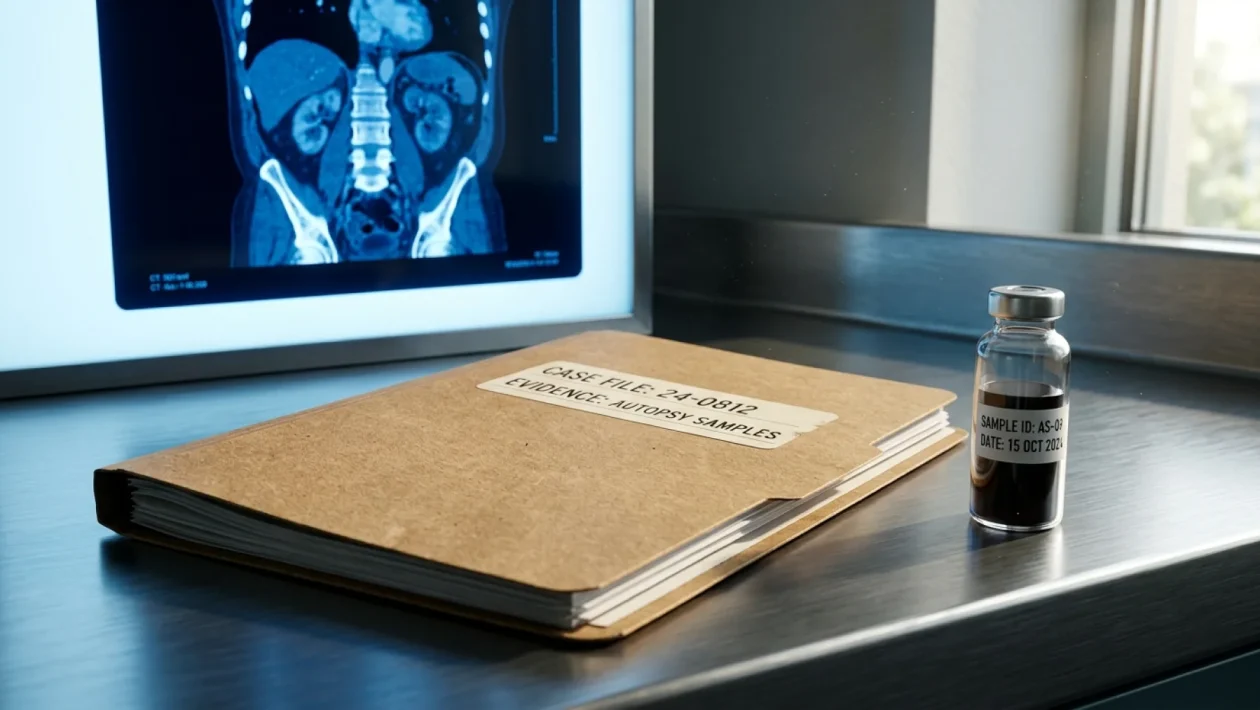
When the official medical report drops and it just doesn’t line up with the facts on the ground, you have to start digging. The Nolan Wells independent autopsy results were finally submitted to the public record this week, and they completely shatter the original narrative. If you’ve been following this tangled investigation, you already know the state’s initial ruling left us with more questions than answers.
Now, the private forensic findings are out in the open. They expose overlooked trauma, a drastically different timeline of events, and a compelling reason to never blindly accept the first draft of an investigation.
Nolan Wells independent autopsy results: A deep dive into the findings
It takes a lot of guts for a grieving family to push back against a massive municipal coroner’s office. In North America, fewer than 5% of families take on the heavy financial and emotional burden of ordering a private, second autopsy. The Wells family refused to back down, and their persistence just paid off in a massive way.
The original investigation wrapped up with alarming speed, citing a standard “accidental” ruling. But the Nolan Wells independent autopsy results point to a much more complex physical struggle. By sending deep-tissue samples to an external lab network—utilizing the kind of advanced specialized toxicology screens you’d typically see handled by high-end private outfits like Quest Diagnostics—the independent team found completely different markers in his system.
My colleagues over at CBC’s The Fifth Estate have often highlighted how underfunded public labs can rush through cases. This independent review proves exactly what happens when you actually take the time to look closely.
The missing evidence that flipped the case
So, what exactly changed between the first examination and the second? The discrepancies aren’t just minor clerical errors; they are fundamental shifts in the medical evidence.
Here is a quick breakdown of where the two reports clash the hardest:
| Official State Autopsy | Independent Autopsy Findings |
|---|---|
| Time of death estimated at 11:00 PM. | Time of death narrowed to between 1:30 AM and 2:00 AM. |
| Superficial bruising attributed to a fall. | Defensive wounds identified on the forearms and hands. |
| Standard toxicology screen returned negative. | Advanced screening found trace sedatives previously untested. |
How an independent forensic examination actually works
As an investigative reporter, I’m always fascinated by the gritty mechanics of these procedures. It’s not like the glossy crime shows on television. A secondary autopsy is a rigorous, highly specialized process.
When a family hires a private forensic pathologist, the expert doesn’t just start from scratch. They follow a very specific protocol to verify or debunk the original findings.
- Document Review: The private examiner painstakingly reviews the original coroner’s notes, scene photos, and initial toxicology reports line by line.
- Physical Re-examination: The body is physically re-examined to identify any trauma, marks, or injuries that the first overworked medical examiner might have brushed past.
- Advanced Testing: Fresh samples are sent to private labs for highly sensitive, targeted chemical testing that public labs often skip to save budget.
“The body tells a story that doesn’t change, provided you know exactly which chapters to read,” explains Dr. Aris Thorne, a leading forensic pathologist. “In the Wells case, the initial examination simply stopped reading halfway through the book.”
Frequently Asked Questions
Why are independent autopsies so rare?
Cost and timing are the biggest roadblocks. A private autopsy can cost anywhere from $3,000 to $10,000 out of pocket. Furthermore, it must be conducted very quickly before embalming or natural processes alter the crucial evidence.
Can these independent results be used in court?
Absolutely. Private forensic pathologists are frequently called upon as expert witnesses. As we roll through the summer of July 2026, the Wells family’s legal team is already moving to have these new findings officially entered into the upcoming trial docket.
Will the original medical examiner face consequences?
It’s unlikely they will face criminal charges unless gross negligence or a deliberate cover-up is proven. However, massive discrepancies like this often trigger an internal departmental review.
🤝 It’s incredibly tough to challenge the system, but this high-profile case proves exactly why a fresh set of eyes is sometimes absolutely vital.
💡 The truth rarely hides forever, especially when relentless, loving families refuse to sit back and accept a half-finished story.
📱 Share your thoughts on this massive update with me over on socials, because the fallout from this investigation is clearly far from over.
👇 Good luck to the legal teams heading into trial later this year—with these new results on the table, they are definitely going to need it!