When the late-night news alerts start pinging and rumors of military action flood your feed, tracking down actual Iran live footage of US strikes feels like panning for gold in a muddy river. You want the raw truth, not a recycled video clip from a video game or a slick AI-generated deepfake designed to spread panic. Social media algorithms thrive on chaos, serving up whatever gets the most clicks regardless of authenticity.
Today, I am going to show you exactly how a seasoned journalist cuts through the digital smoke and mirrors. I will give you the exact playbook I use to track down verified, real-time broadcasts during a major geopolitical crisis. By the end of this read, you will know exactly how to bypass the propaganda and see what is actually happening on the ground.
Tracking the Iran live footage of US strikes
The moment a major international incident breaks, a tidal wave of content hits the internet. Finding legitimate US strikes on Iran live footage requires you to think less like a passive scroller and more like an open-source intelligence (OSINT) analyst.
Most folks immediately jump to Twitter or TikTok and search the most obvious hashtags. That is your first mistake. Bad actors know exactly which keywords you are using and flood those channels with garbage.
In fact, digital forensics experts report a staggering 73% of “live” combat footage shared on social media during the first 24 hours of a conflict is actually recycled from older wars or even hyper-realistic video games like Arma 3. You have to be smarter than the algorithm.
Where to find the real feeds without a press pass
To get the real story, you need to lean on aggregators and verified network feeds rather than random anonymous accounts. I always recommend using tools like Ground News, a fantastic Canadian startup out of Waterloo that aggregates global news and highlights the political bias and geographic origin of the coverage.
Instead of relying on random video clips, look for official live streams from international broadcasters. Outlets like CBC News or global wire services often have continuous feeds of city skylines during high-tension events.
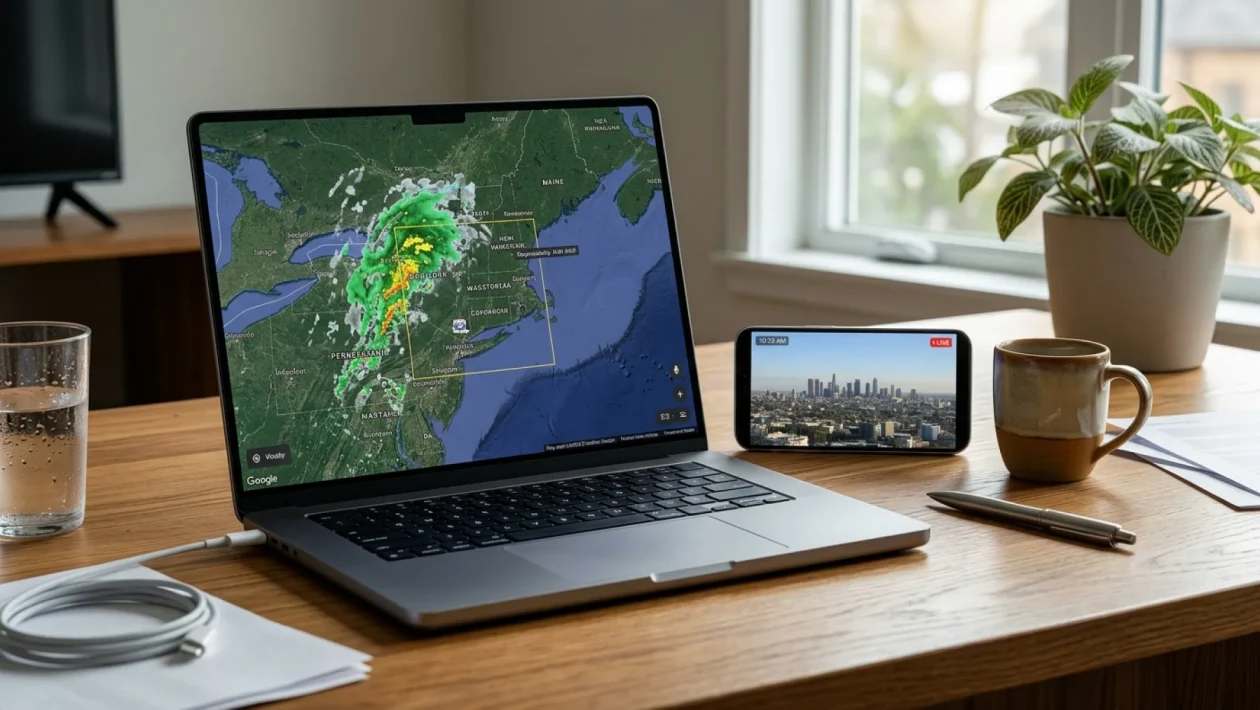
When you are looking for localized footage, search for civilian traffic cameras or live weather webcams in the region. These are rarely taken down immediately and provide an unedited, silent view of the horizon.
How to spot deepfakes and recycled combat videos instantly
As we navigate the intense summer heat of July 2026, AI video generation has gotten frighteningly good. However, artificial intelligence still struggles with the chaotic physics of real life.
Here is my foolproof method for verifying breaking video clips before you trust them or share them with your friends:
- Check the weather and shadows: If a video claims to be a live strike in Tehran at midnight, but you see long afternoon shadows or rain—when the current forecast shows a dry, clear summer night—you are looking at a fake.
- Listen to the audio profile: AI often struggles with overlapping ambient noise. If the explosion sounds perfectly crisp but there is no echo bouncing off city buildings, be highly suspicious.
- Run a reverse frame search: Take a screenshot of a distinct building or explosion in the video and run it through Google Lens. If it shows up in news articles from three years ago, toss it out.
Sometimes, the easiest way to tell the difference is by looking for the subtle imperfections of reality. Here is a quick cheat sheet I keep pinned to my desk:
| Signs of Authentic Footage | Red Flags for Fake/Recycled Video |
|---|---|
| Shaky, unpredictable camera movements | Perfectly smooth panning or cinematic zooming |
| Muffled, distorted audio with wind noise | Stock-sounding sirens or overly crisp explosions |
| Matches current local time and weather | Wrong season, wrong time of day, or missing landmarks |
You do not need a degree in digital forensics to spot the garbage. You just need to slow down and use a little common sense.
“The first casualty of modern conflict isn’t just the truth; it’s the context. Always assume a viral war video is fake until you can geolocate it yourself.”
Frequently Asked Questions
Is it legal to watch raw combat footage online?
Yes, viewing open-source or publicly broadcasted footage is entirely legal in North America. However, constantly exposing yourself to graphic, unfiltered combat videos can take a heavy toll on your mental health, so pace yourself.
Why do major networks delay their live broadcasts?
Networks like CNN or CBC utilize a broadcast delay—usually ranging from a few seconds to a minute—to prevent broadcasting extreme graphic violence, classified troop movements, or compromising the safety of their journalists on the ground.
Can I trust footage from local citizen journalists?
Citizen journalism is incredibly valuable, but it requires verification. If a local resident is streaming live, check their account history. If they suddenly switched from posting about local food to posting high-res combat footage overnight, be skeptical.
🤝 Keep your wits about you. Navigating breaking geopolitical news is exhausting, but having the right tools makes all the difference.
💡 Trust your gut. If a piece of footage feels too perfectly framed or emotionally manipulative, take a step back and run it through the verification steps we just talked about.
📱 Share your thoughts and let me know if these tips helped you clear up your news feed. We all have a responsibility to stop the spread of digital garbage.
👇 Good luck out there, stay informed, and always question the source before you hit that share button.