Young Lionel Messi celebrating a goal by placing three fingers on his chest.
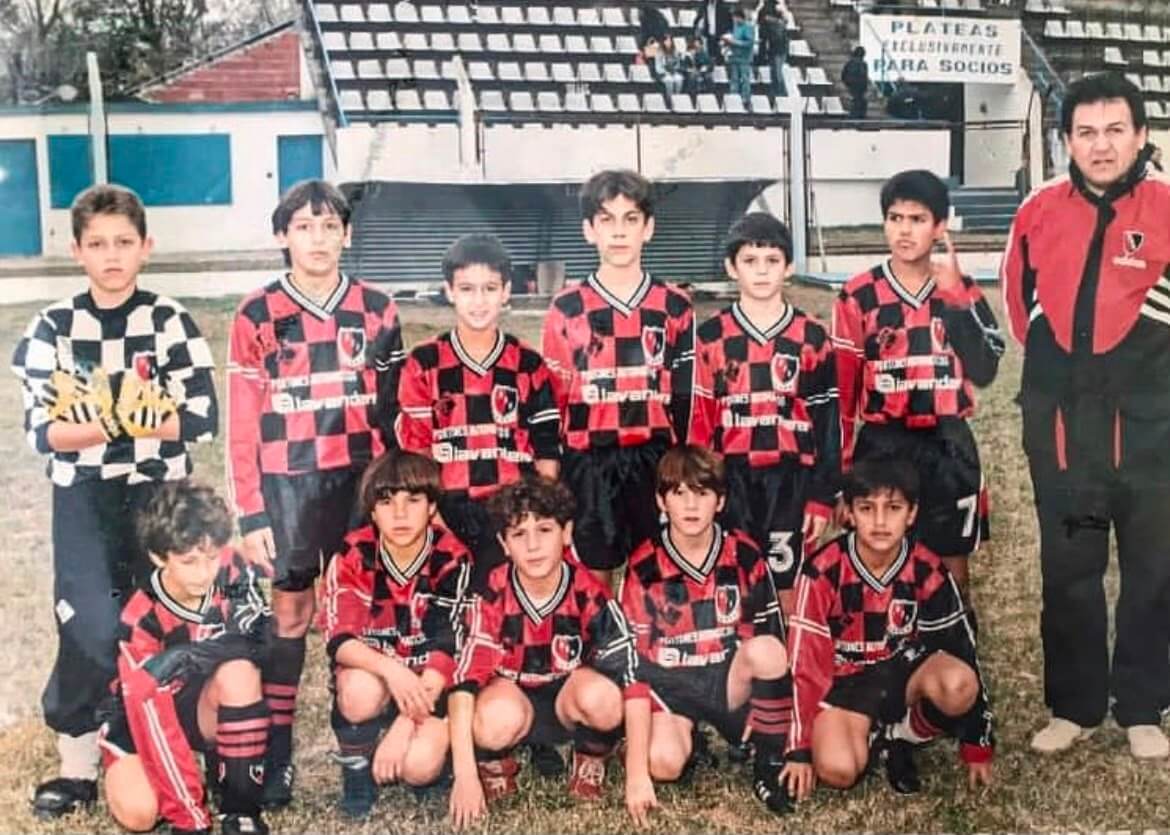
Leandro Benitez met Lionel Messi when they were just eight years old in the youth academy of Newell’s Old Boys in Rosario. The club separated kids into A, B, C, and D squads. Messi dominated the A team, while Benitez played for the C team.
They clashed as opponents until they turned 11 and moved to full-size pitches. From that point on, they became teammates and inseparable friends.
Today, the 39-year-old Benitez is the head coach of the Rosario youth side ADIUR, following a career as a left-back for Argentine clubs like Lanus and Chacarita Juniors. But decades ago, he had a front-row seat to the making of an extraterrestrial.
A Boy Who Swept All Before Him
The Argentine potreros, or makeshift pitches, were unforgiving. Observers regularly dismissed the undersized Messi, assuming the small boy would be entirely ineffective against tougher opponents.
Then he stepped onto the pitch. Wearing a jersey that looked gigantic on his tiny frame, Messi made a mockery of bigger defenders who tried to kick him from every angle.
They simply couldn’t catch him. Benitez knew his friend was gifted, but no one predicted he would become the greatest player in the history of the sport.
Barefoot for a Coca-Cola
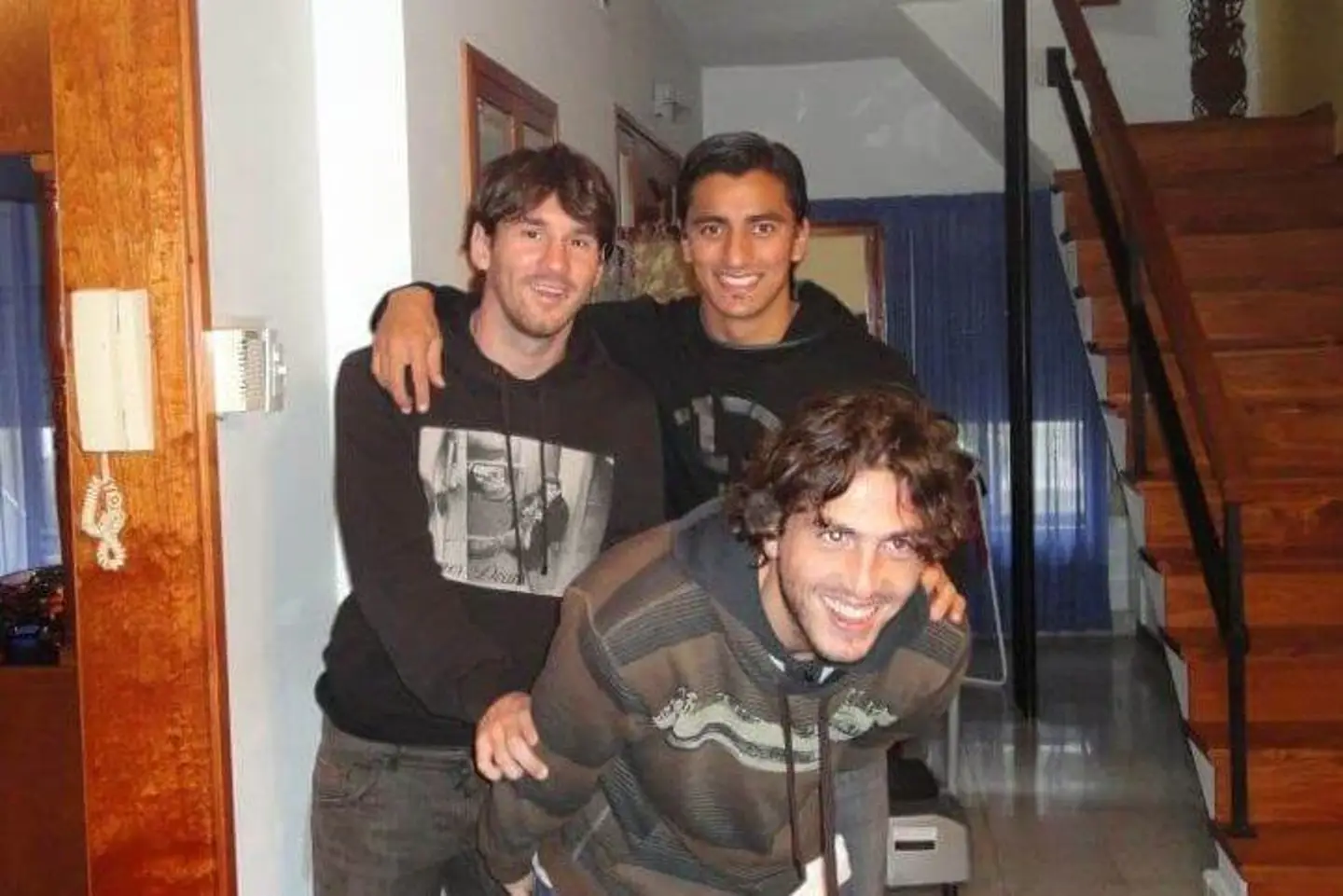
Off the pitch, their childhood revolved around the home of Lucas Scaglia, another teammate and the cousin of Messi’s future wife, Antonella Roccuzzo. The boys spent their days playing football tennis, jumping in the pool, and gathering for Sunday family dinners with Antonella.
Messi was deeply introverted but undeniably mischievous. During a tournament near Casilda, a town west of Rosario, the 12-year-old boys desperately wanted a Coca-Cola.
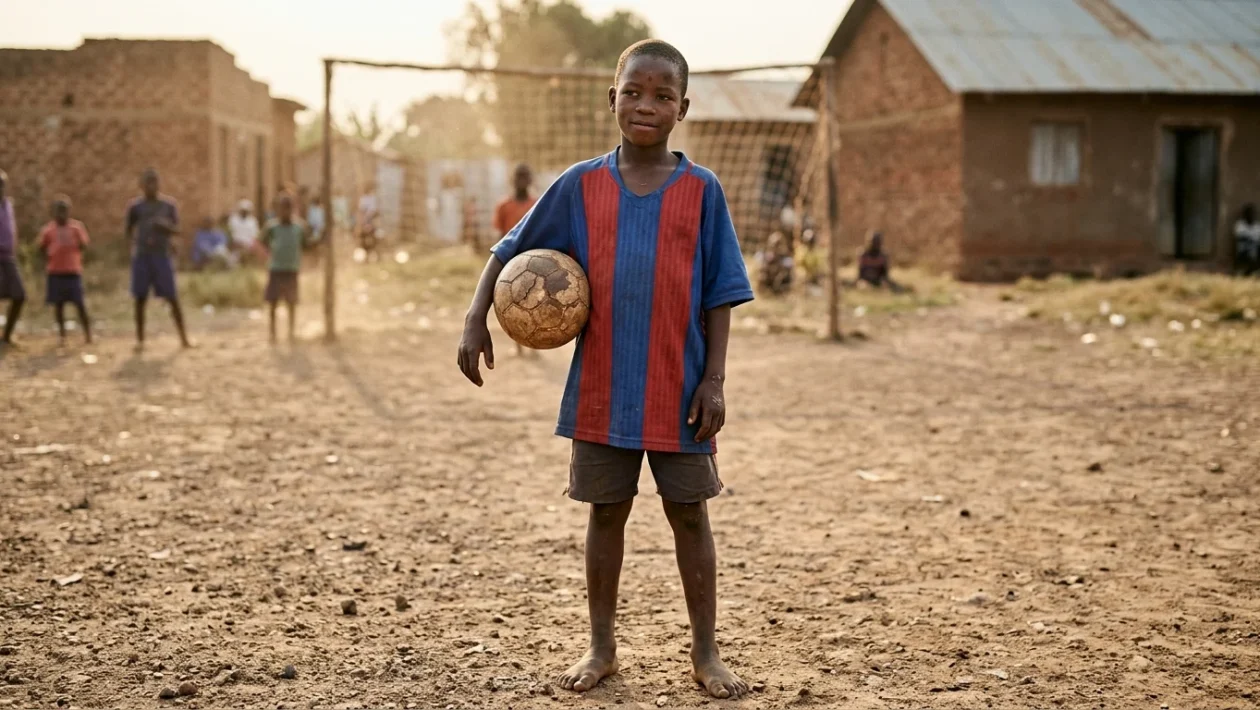
Flat broke and playing truco in their guest house, Messi devised a plan to beg for change in the street. A dozen boys walked out barefoot into the rain, but passing strangers handed the bulk of their coins and notes directly to the skinny, quiet kid.
The Freezer Case and the Unwashed Shirt
Messi’s otherworldly talent was matched by his quiet resilience. During a youth tournament in Peru, the 11-year-old mesmerized crowds by casually doing 300 keepy-uppies before games.
In the final against the Peruvian side Cantolao, Newell’s won 8-0 or 9-0. Messi alone scored seven or eight of those goals.
But his life was complicated by a severe growth hormone deficiency. Newell’s eventually couldn’t afford the treatment. Everywhere the boys traveled, Messi carried a small freezer case containing his medication, retreating to give himself his injections.
Watching his friend calmly inject one leg and then the other left a lasting impression on Benitez. The physical toll ultimately forced Messi’s hand.
One weekday, Messi arrived at Benitez’s door alongside his agent to say he was leaving for trials in Barcelona. In a state of pure shock, Benitez sprinted to his laundry pile and handed Messi an unwashed Newell’s jersey from their previous weekend’s match as a parting gift.
Three Fingers on the Heart
The friends maintained their bond over MSN Messenger, using the sole computer at Scaglia’s house. Years later, Messi had experienced a massive growth spurt, building the shoulders and legs that would power his European career.
Before a 2005 Under-20 South American Championship match against Brazil, Benitez and Scaglia made a request. They asked Messi to celebrate a goal by pressing three fingers to his heart—one for each of the three childhood friends.
Messi promised he would. When he scored to make it 2-1 against Brazil, he immediately placed three fingers on his chest and sprinted toward the corner flag.
Young Lionel Messi celebrating a goal by placing three fingers on his chest.
Watching on a television in Scaglia’s bedroom, the two friends hugged and cried.
Milanesas, Maradona, and the Ultimate Competitor
Despite his meteoric rise, Messi remained remarkably detached from his own fame. During a visit to Barcelona, Benitez sat eating milanesas with mashed potatoes while showing Messi a viral YouTube compilation of his best highlights.
Messi simply shrugged, vaguely recognizing a few of the moves but admitting he had no idea what he was doing in the moment. Benitez realized this lack of overthinking was Messi’s secret weapon, preventing the paralysis that plagues most athletes under pressure.
As Messi’s career peaked, he adapted to immense national pressure. Constantly compared to the vocal leadership of Diego Maradona, Messi consciously transformed his demeanor to command the pitch.
His competitive drive never changed. Whether he is leading Argentina or losing a hand of truco, Messi will relentlessly analyze his failures until he inevitably wins.
When Messi scored against England in the World Cup, Benitez sat in front of his screen and let the emotion pour out. For a boy who once begged barefoot in the rain, Messi ultimately changed the landscape of global football—and gave his oldest friends a lifetime of memories.