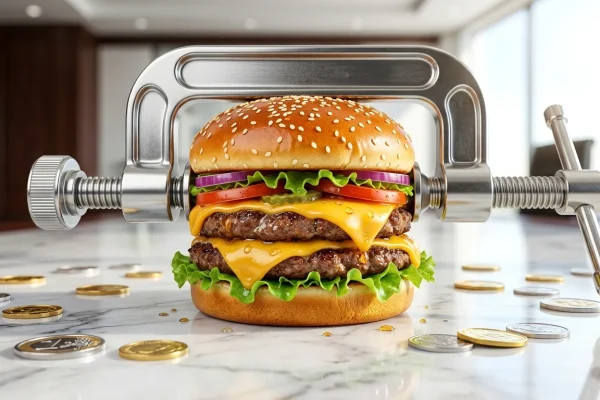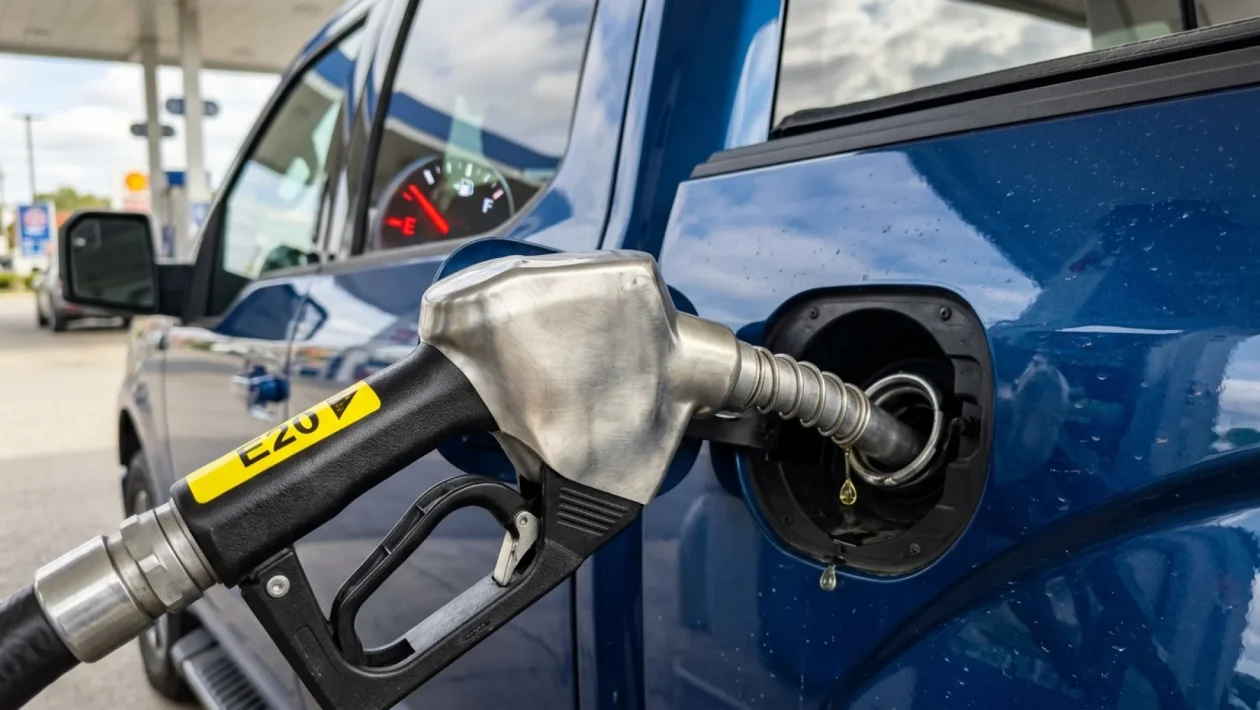
You pull out of the gas station, and it feels like the needle on the dashboard is already dropping. If you have been wondering why your trusty truck or daily commuter is suddenly guzzling gas faster than ever, you are not crazy. The culprit is quietly flowing right out of the pump handle. We are talking about higher ethanol blends, specifically E20 fuel, and it is quietly eating away at your fuel efficiency while potentially wreaking havoc on older engines.
As we roll through May 2026, the push for greener alternatives at the pump has reached a fever pitch. But this transition isn’t without its growing pains. Let’s pop the hood, look at what this new fuel is actually doing to your vehicle, and figure out how to stop it from draining your wallet.
E20 Fuel Exposed: The New Reality At The Pumps
For years, North American drivers have been comfortably running E10 (10% ethanol) without a second thought. But recently, governments and energy sectors have heavily pushed E20 (20% ethanol) to cut down on crude oil imports and emissions. On paper, it sounds like a massive win for the environment.
On the pavement, however, it is a different story. A massive recent survey of over 24,000 drivers revealed a staggering reality: nearly 50% of vehicle owners have experienced a noticeable drop in fuel efficiency since E20 became widely adopted. It turns out that what works in a laboratory does not always translate to your morning commute.
While auto manufacturers largely state that E20 is “safe” for modern vehicles, millions of drivers are acting as the real-world test subjects. And the results are sparking a massive debate among gearheads and daily drivers alike.
Why Your Gas Mileage Is Tanking: The Energy Density Problem
Here is the hard truth of chemistry: ethanol simply contains less energy per litre than conventional pure gasoline. When you pump E20 fuel into your tank, your engine is physically forced to burn more liquid just to generate the exact same horsepower.
Official government estimates initially claimed that fuel efficiency would only decline by a microscopic 1% to 6%. But the folks actually driving these cars tell a different tale. Some respondents in the recent survey claimed their vehicles suffered up to a 20% loss in mileage. You are paying for a full tank, but you are absolutely not getting the same distance out of it.
To break it down simply, here is a quick look at what you are actually trading off when you opt for the higher ethanol pump.
| The E20 Reality Check | What It Means For You |
|---|---|
| The Good | Lowers crude oil dependency and reduces tailpipe emissions. |
| The Bad | Lower energy density results in noticeably reduced kilometres per litre. |
| The Ugly | Can severely degrade rubber and plastic fuel-system components in pre-2022 vehicles. |
How To Protect Your Engine: Defensive Wrenching For Older Rides
If you are driving a brand-new vehicle, your fuel system was likely built to handle E20 fuel. But if you are holding onto an older commuter or picking up replacement parts at Canadian Tire to keep a pre-2022 vehicle alive, you need to be careful. The survey highlighted that nearly 29% of owners with older vehicles reported unusual wear on fuel lines, tanks, and carburetors.
“Ethanol loves water, and when it sits in a gas tank, it pulls moisture straight from the air,” says Dave Reynolds, a veteran master mechanic. “In older engines, that moisture causes internal corrosion, and the high alcohol content eats right through older rubber seals and fuel lines like acid.”
You do not need to panic, but you do need to play defense. Here is your foolproof game plan to keep your older engine running smoothly despite the changing landscape at your local Petro-Canada or neighborhood station:
- Check the Manual: Look inside your owner’s manual or inside the fuel door. If it specifically states “E10 Maximum,” avoid the E20 pump at all costs to prevent immediate seal degradation.
- Upgrade Your Fuel Lines: If you are handy with a wrench, consider swapping out older rubber fuel lines for modern, ethanol-resistant synthetic lines (often marked with SAE 30R9).
- Use a High-Quality Stabilizer: If your vehicle sits for more than a couple of weeks, dump an ethanol-specific fuel stabilizer into the tank. This prevents phase separation, which is when the ethanol and water detach from the gasoline and rot your tank from the bottom up.
- Stay Alert for Symptoms: Pay attention to how your car wakes up in the morning. Hard cold starts, rough idling, or a sudden check engine light are massive red flags that your older fuel system is crying for help.
Frequently Asked Questions About Higher Ethanol Blends
Will using E20 fuel void my older car’s warranty?
If your vehicle was manufactured before E20 was a standard standard fuel option, and your manual specifically forbids it, using it could theoretically give a dealership grounds to deny a fuel-system warranty claim. Always check the manufacturer’s official specifications first.
Is it safe to put E20 in my lawnmower or snowblower?
Absolutely not. Small engines (like weed whackers, mowers, and generators) are notoriously sensitive to ethanol. E20 fuel will almost certainly destroy the carburetor and rubber fuel lines on small equipment in a matter of months.
Can I mix regular gas with E20?
Yes, your vehicle’s computer can adjust to a mixed tank of fuel. If you accidentally pump half a tank of E20 fuel into an older vehicle, topping the rest off with ethanol-free premium gas will dilute the mixture and lessen the harsh impacts on your engine.
🤝 Good luck navigating the changing landscape at the fuel pumps this season! It is easy to feel entirely at the mercy of the gas station, but armed with a little mechanical know-how, you can absolutely protect your investment.
💡 Make sure you are paying close attention to those pump labels, because mistakenly grabbing the wrong handle can result in a massive headache for your trusty daily driver.
📱 If you found this breakdown helpful, be sure to send it to that one buddy who is always complaining about their gas mileage. We all know one!
👇 I want to hear your experiences, so please share your thoughts below—have you noticed your fuel gauge dropping faster lately, or has your older engine started acting up?