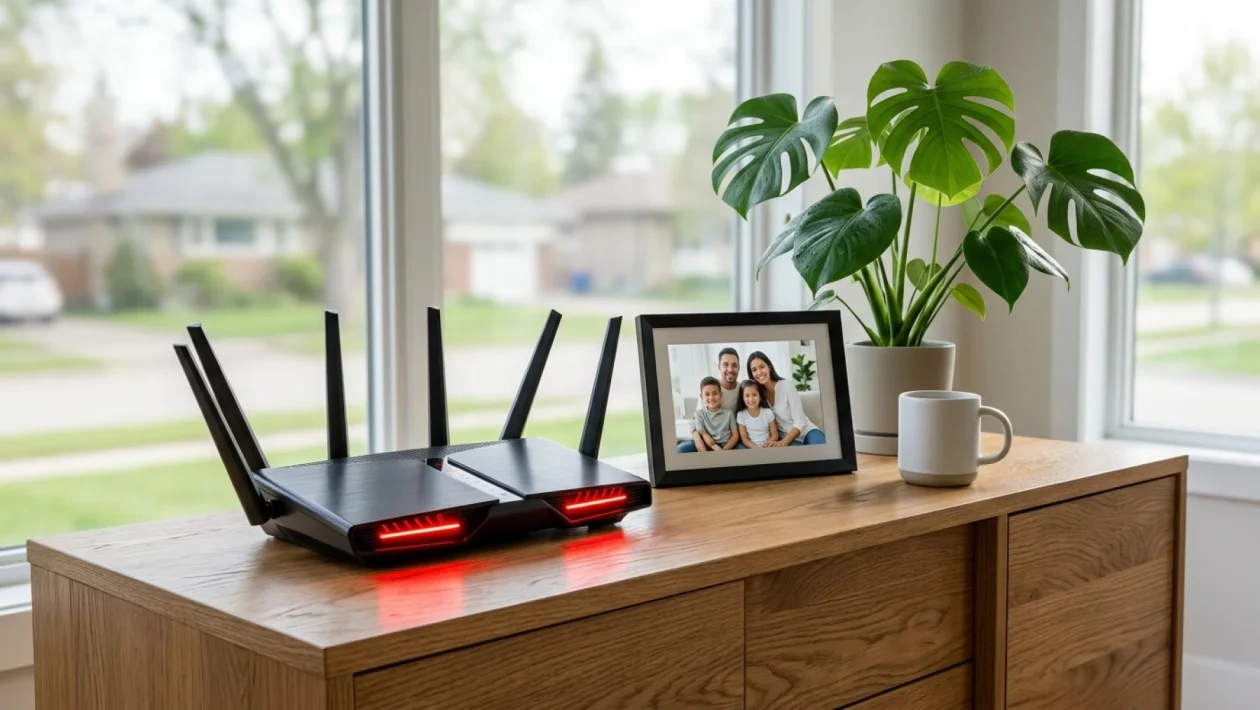
You plug in a new digital photo frame, connect it to your Wi-Fi, and forget about it. Meanwhile, that innocent little gadget is quietly launching cyber attacks against the U.S. Department of Defense. Sounds like a bad spy thriller, right? Unfortunately, it is a very real, very massive threat happening right inside our homes. Authorities recently took down an international network, placing a 23-year-old Ottawa man at the center of the chaos. Today, we are tearing down the mechanics of this massive digital bust and showing you exactly how to lock down your own network before your toaster joins the dark web.
What Exactly is a Botnet Cybercrime Takedown?
To understand the sheer scale of this bust, you have to know what a botnet actually is. Think of it as a massive digital zombie army. Hackers don’t sit at keyboards typing furiously to attack a target.
Instead, they write malicious software that hunts for lazy security on everyday internet-connected devices. Once infected, these devices quietly wait for commands from a central server. When the time is right, thousands—sometimes millions—of these “bots” strike at once.
“Botnets turn our own modern conveniences into digital weapons, transforming a peaceful smart home into a staging ground for global cyber warfare,” says Dr. Elias Thorne, a leading North American cybersecurity analyst.
In this specific operation, international authorities from the U.S., Canada, and Germany teamed up to sever the head of the snake. They seized the servers directing the malicious traffic, effectively putting the zombie army back to sleep.
The Shocking Ottawa Arrest That Shook the Tech World
This spring of 2026 has been a wake-up call for Canadian tech security. Ontario Provincial Police cybercrime investigators arrested Jacob Butler right here in the nation’s capital. Butler allegedly helped develop and run “Kimwolf,” a massive botnet network.
Alongside another botnet called Aisuru, this operation compromised millions of devices worldwide. They were so deeply embedded that they even hijacked IP addresses tied to the U.S. Department of Defense. That is not just neighborhood mischief; that is a top-tier national security breach.
Here is a hard fact that should make you double-check your router right now: Cybersecurity studies reveal that an unsecured smart device can be targeted and attacked within just five minutes of connecting to the internet. If you are running a standard default gateway from Bell or Rogers and haven’t touched the admin settings, you are rolling the dice.
Inside the Global Device Hijacking Ring
You might be wondering why a criminal mastermind cares about your cheap Wi-Fi camera. The truth is, they don’t care about the device; they care about its computing power and its connection. They hijack these gadgets and then sell access to other cybercriminals who want to launch untraceable attacks.
The infiltration process is frighteningly simple. Here is exactly how these networks silently take over your hardware:
- The Silent Sweep: Automated scripts scan the internet 24/7, looking for newly connected devices with weak security protocols.
- The Front Door Breach: The botnet attempts to log in using default factory passwords (like “admin123”) that consumers almost never bother to change.
- The Payload Drop: Once inside, the malware is injected into the device’s memory, hiding in the background while your gadget continues to function normally.
- The Payout: The hacker bundles thousands of these compromised devices together and rents them out to other criminals for profit.
Not all gadgets carry the same level of risk. Check out this quick breakdown of common household vulnerabilities:
| Smart Home Device | Hijack Vulnerability Level |
|---|---|
| Internet Routers | Very High (Often left on default passwords) |
| Webcams & Baby Monitors | High (Direct entry points with outdated firmware) |
| Digital Photo Frames | Medium (Rarely updated by the user) |
| Smart Thermostats | Low (Usually strictly encrypted by major brands) |
Frequently Asked Questions
Can they really hack something as simple as my digital photo frame?
Absolutely. Any device that connects to the internet has an IP address and basic processing power. To a botnet, your digital photo frame is just a miniature computer waiting to be exploited. If it has a weak password, it’s an easy target.
How do I protect my smart home from becoming part of a botnet?
Your first line of defense is your router. Change the default administrative password immediately. Next, ensure all your smart home devices are updated with the latest firmware. Finally, disable any “remote management” features on your devices unless you absolutely need them.
The Bottom Line
🤝 It is time to take your digital security seriously. We love the convenience of a fully connected home, but that convenience comes with a responsibility to lock our digital doors. Treat your Wi-Fi network with the same caution you use for the physical lock on your front door.
💡 Good luck getting your network secured this weekend. Take 20 minutes to update your passwords and run a quick firmware check on your gadgets. It is a minor inconvenience that pays massive dividends in protecting your privacy.
📱 Do you have a smart device you suspect is acting weird? Dive into your router’s companion app and see exactly what is connected to your network right now. If you don’t recognize a device, kick it off immediately.
👇 Please share your thoughts with us in the comments! Have you ever caught a rogue device on your home network, or are you planning a digital spring cleaning this weekend?