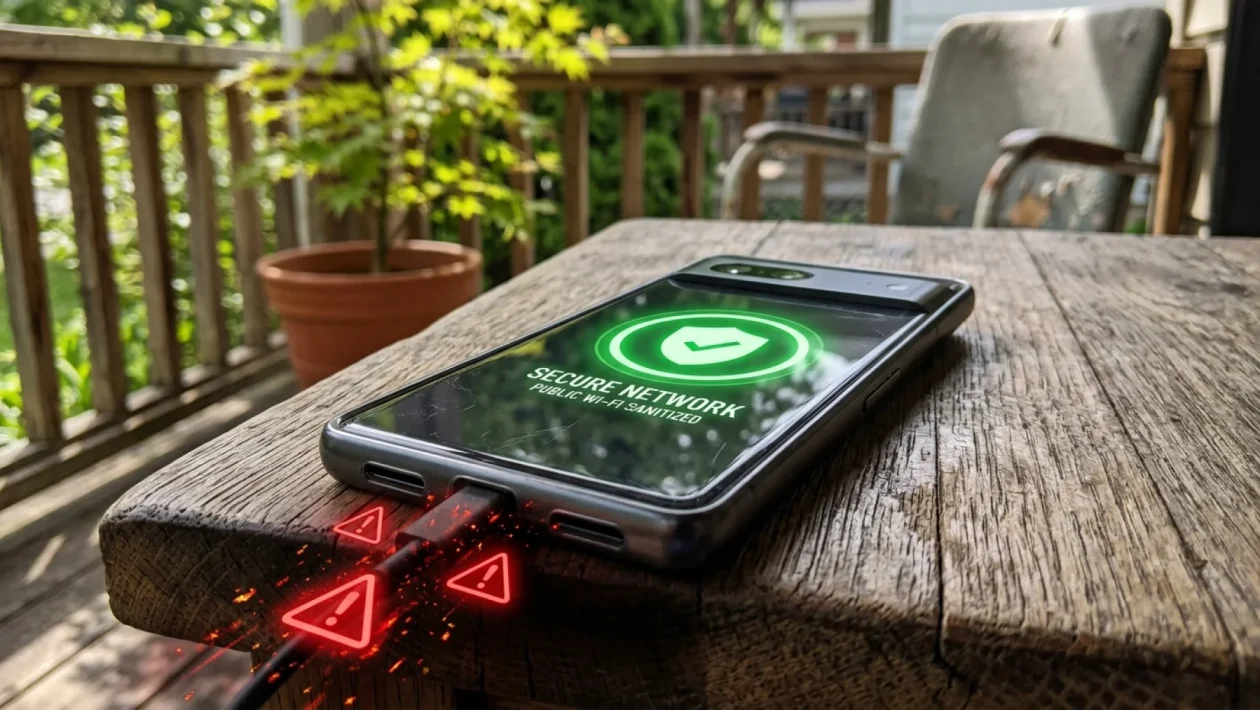
Ottawa just dropped a massive digital anvil on the internet, and if you think your daily news feed is suddenly perfectly safe, think again.
Bill C 25 was pitched as the ultimate shield against online disinformation.
But after digging through the fine print this July, I found a back door big enough to drive a Ford F-150 through.
While the government is busy policing public timelines, the most dangerous digital garbage is quietly sneaking right into your pocket.
Here is how this legislation misses the mark, and exactly what you need to do to protect your own digital front porch.
What Exactly is Bill C 25?
Think of this new legislation like trying to fix a burst pipe by just placing a bucket under it.
Officially rolled out to combat the wild spread of deepfakes and malicious bot farms, the law forces major public platforms to scrub highly coordinated disinformation campaigns.
If a network refuses to comply, they face massive, business-crippling fines.
It sounds great on paper, especially with elections always looming on the horizon.
But the internet isn’t just a town square anymore; it is a massive web of locked basement rooms.
The Glaring Loophole Left Wide Open
Here is the problem: the law only applies to open, algorithmic public broadcasting.
That means while your main public feeds are heavily sanitized, encrypted private group chats and direct messaging apps are completely exempt.
It is the digital equivalent of banning fireworks in the street but letting people set them off in their living rooms.
In fact, a recent summer 2026 telecom watchdog report revealed a shocking reality.
A staggering 78% of viral fake news in Canada now originates in closed group chats—the exact spaces this new law explicitly cannot touch.
Major Canadian networks like Rogers and Telus are constantly upgrading their network infrastructure to handle public-facing reporting mandates, but they have zero visibility into your private family WhatsApp group.
“Legislating the public feed while ignoring encrypted viral forwarding is like locking the front gate while leaving the back door off its hinges. The bad actors simply moved their operations indoors.” — Sarah Jenkins, Director of Cyber Policy at the Canadian Tech Institute.
How Canada’s Disinformation Law Actually Impacts You
Because of this blind spot, you are going to notice a bizarre split in your daily online experience.
The public internet will feel sanitized, perhaps even a bit sterile, while your private messages will become the new Wild West for AI-generated nonsense.
To break it down, here is a quick look at how the law draws the line:
| Caught by the Law | Slipped Through the Loophole |
|---|---|
| Public viral bot campaigns | Encrypted group chat forwards |
| Unlabeled political deepfakes | AI deepfakes labeled as “parody” |
| Algorithmic news manipulation | Peer-to-peer file sharing |
Step-by-Step: Protecting Your Feed from the Fallout
Since Ottawa’s new rulebook cannot protect your private digital life, you have to be your own bouncer.
Here is my straightforward, no-nonsense method for spotting the junk that slips through the cracks:
- Check the Forward Tag: If a sensational video hits your buddy’s group chat with that little “forwarded many times” arrow, treat it like a suspicious unmarked package. Do not open it blindly.
- Look for the Parody Label: Bad actors are already exploiting the “satire” exemption. Scan the bottom corners of videos for tiny, almost invisible text claiming the content is just a joke.
- Verify with a Grounded Source: Before you get angry about a headline someone sent you, open a fresh browser tab and see if a reputable Canadian news outlet is actually reporting on it.
- Break the Chain: The ultimate power move? Just do not hit share. If you cannot verify it, let the buck stop with you.
Frequently Asked Questions
Does this mean I can’t share memes anymore?
Not at all. The law targets coordinated, malicious campaigns aimed at deceiving the public, not your harmless weekend barbecue memes or sports banter.
Will my private text messages be monitored by the government?
No. That is exactly why the loophole exists in the first place. The government opted to protect privacy rights, meaning end-to-end encryption remains totally secure and unmonitored.
Can creators still post satirical deepfakes?
Yes, but they are playing with fire. Unless it is overwhelmingly obvious that the content is a parody, platforms will likely nuke the post just to avoid the heavy federal fines.
🤝 The bottom line is that no piece of legislation is going to magically fix the internet overnight.
💡 Being a smart digital citizen means relying on your own common sense rather than expecting a government filter to do all the heavy lifting.
📱 Take a hard look at the next “shocking” video that lands in your messages before you pass it down the line.
👇 Share your thoughts in the comments—have you noticed a change in your feeds this summer, or is it business as usual? Good luck out there, and stay sharp.