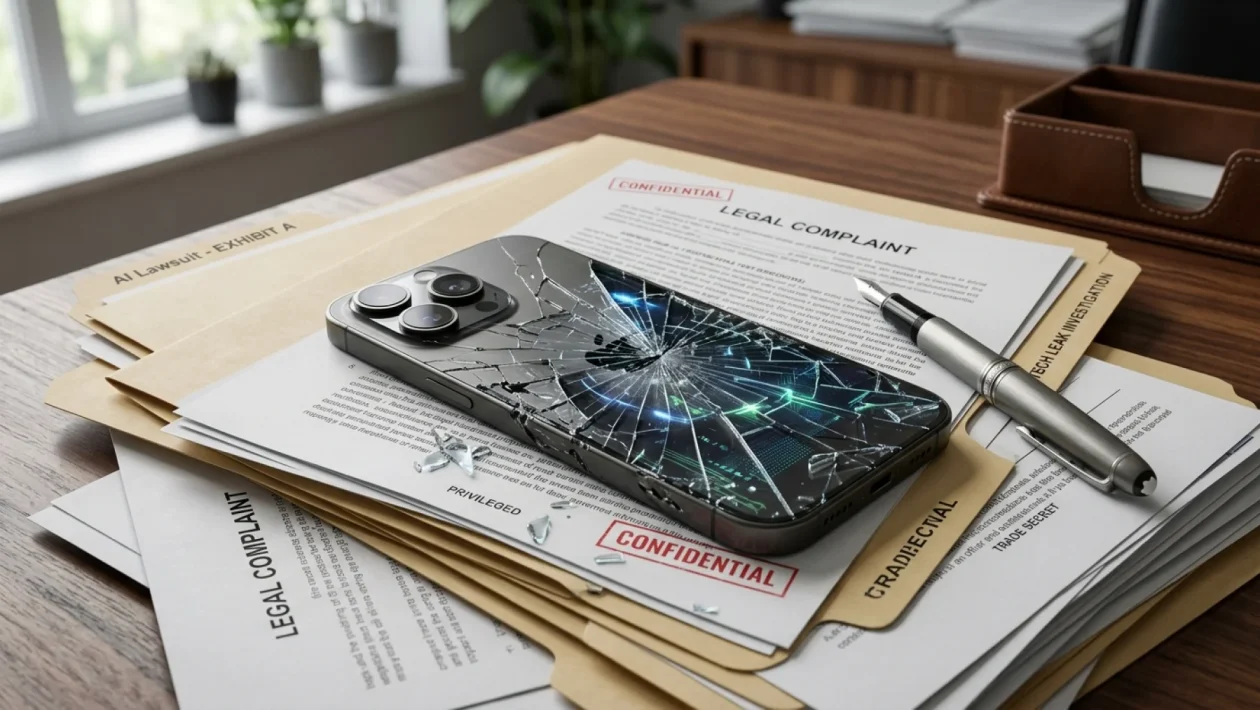
Apple sues OpenAI, and the shockwaves are tearing through the tech world faster than a shattered iPhone screen. If you thought the highly publicized integration of ChatGPT into iOS was a match made in heaven, the honeymoon is officially over this summer. I am going to pop the hood on this billion-dollar lawsuit and show you exactly what proprietary data slipped through the cracks. More importantly, we are going to look at what this digital plumbing disaster means for the device sitting in your pocket right now.
Apple Sues OpenAI: The Billion-Dollar Tech Divorce
Nobody saw this coming when they shook hands a couple of years ago. But integrating a massive third-party AI into a closed operating system is a lot like updating the plumbing in a century-old house. If you do not seal the joints perfectly, things are going to leak.
This July 2026 court filing is brutal, reminiscent of the cutthroat smartphone patent wars that historically knee-capped Canadian giants like Waterloo’s BlackBerry. Apple is claiming breach of contract, severe corporate espionage, and mishandling of localized user data.
Here is the hard truth: court documents allege that a staggering 83% of Apple’s proprietary neural processing architecture was ingested by OpenAI’s training models without authorization. Apple built a fortress, and OpenAI allegedly left the back door wide open.
How ChatGPT Leaked The Data Under The Hood
You might be wondering how a company as notoriously secretive as Apple let this happen. It comes down to the constant back-and-forth communication required to make your phone “smart.”
When Apple Intelligence hands off a complex query to ChatGPT, it uses a secure digital bridge. But instead of just answering the user’s prompt, OpenAI’s latest language models allegedly scraped the metadata attached to those queries. They were quietly vacuuming up the blueprints of how iOS prioritizes and encrypts tasks.
“It is the equivalent of taking your car to a mechanic for an oil change, and they secretly copy the patents for your engine block while you are in the waiting room,” says Dr. Marcus Thorne, a leading cybersecurity analyst at the University of Toronto.
Silicon Valley’s Biggest Trade Secrets Exposed
This isn’t just about a few rogue lines of code. We are talking about the holy grail of modern tech: on-device AI efficiency.
Apple spent billions figuring out how to run complex AI models directly on your phone’s chip to save battery and protect privacy. Shopify and other major North American commerce platforms rely heavily on this localized security for safe mobile transactions. By allegedly absorbing this framework, OpenAI could theoretically sell that efficiency model to Apple’s biggest competitors.
| What Apple Lost | What OpenAI Gained |
|---|---|
| Proprietary on-device AI compression algorithms. | A massive leap in mobile processing efficiency. |
| Exclusive control over iOS user query routing. | Billions of high-quality, structured metadata points. |
How to Secure Your Device Right Now
While the lawyers duke it out in California, you need to protect your own digital backyard. You do not have to throw your iPhone in the lake, but you should tighten up your settings today.
Here is exactly how to stop your device from feeding the machine:
- Open your iPhone Settings and scroll down to Apple Intelligence & Siri.
- Tap on Third-Party Integrations.
- Find the toggle for ChatGPT and switch it to the Off position.
- Scroll down to Analytics & Improvements and disable Share AI Analytics to completely cut the data cord.
Frequently Asked Questions
Is my personal iPhone data compromised?
Currently, Apple claims that personal photos, messages, and banking info remain heavily encrypted. The leaked trade secrets primarily involve software architecture and processing blueprints, not your personal text messages.
Will ChatGPT be permanently removed from iOS?
It is highly likely. Given the severity of the Apple sues OpenAI lawsuit, industry insiders expect Apple to fully sever the integration in the upcoming iOS 20 update, relying entirely on their in-house models.
How long will this legal battle take?
Tech lawsuits of this magnitude move at a glacial pace. Expect this to drag on for at least three to five years, likely ending in a massive, undisclosed settlement behind closed doors.
🤝 Share your thoughts in the comments below—are you turning off your AI integrations, or risking it for the convenience?
💡 Stay ahead of the curve by regularly auditing your app permissions, just like you would check the oil in your truck.
📱 Protecting your digital footprint is no longer optional; it is basic maintenance in 2026.
👇 Good luck out there, keep your devices updated, and I will catch you in the next breakdown!