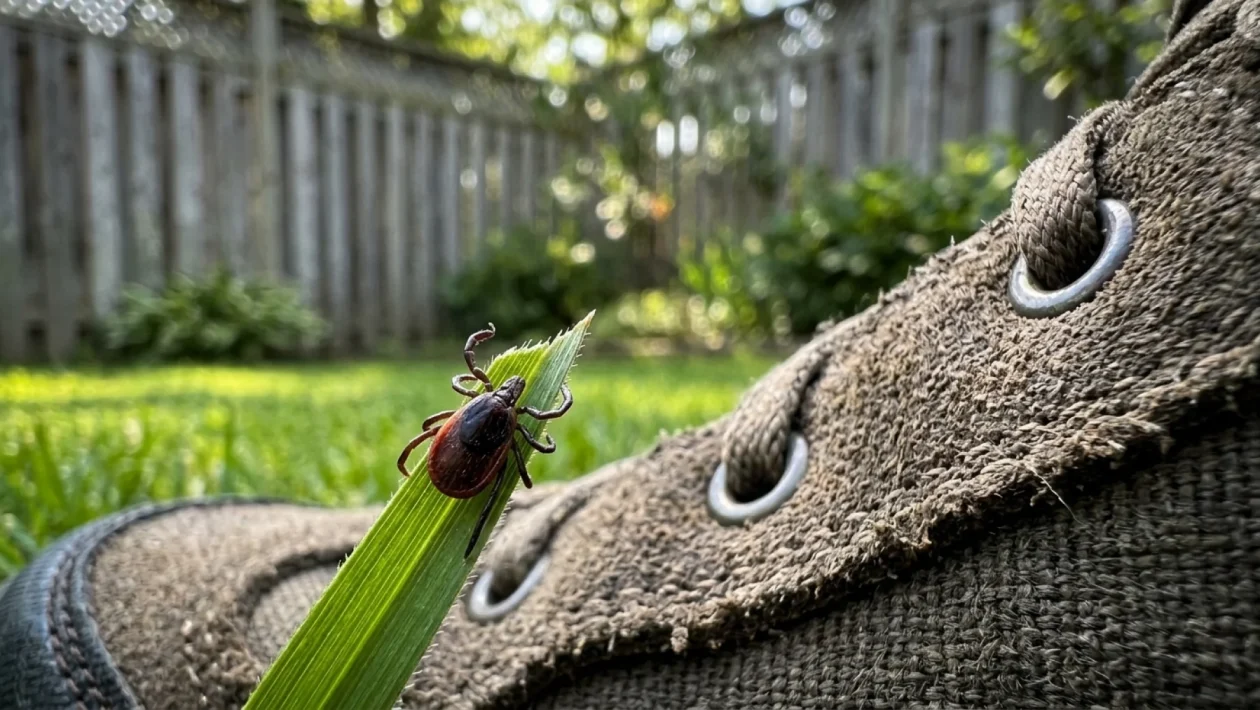
You check for Lyme after a hike, but there is a nastier, faster-acting bug riding on those exact same blacklegged ticks. Anaplasmosis is surging this summer, putting thousands of outdoorsmen, hikers, and backyard warriors on their backs with bone-crushing fevers. I am going to show you exactly where this threat is hiding right now and how to bulletproof yourself before your next step into the brush.
Decoding The Anaplasmosis Tick Map
If you think you are safe just because you don’t live deep in the backcountry, the latest tracking data will wake you up. The anaplasmosis tick map is glowing red in places that did not have a single recorded case a decade ago.
In fact, cases of this bacterial infection have skyrocketed by over 3,000% since the early 2000s. This isn’t just a seasonal fluctuation; it is a full-blown geographical migration.
“We are seeing the blacklegged tick’s range expand by up to 30 miles a year in some regions, dragging pathogens like Anaplasma phagocytophilum straight into suburban environments,” says Dr. Richard Ostfeld, a leading disease ecologist.
Ticks don’t respect property lines. They hitch rides on deer and mice, dropping right into the manicured lawns where our kids play.
Where The US Is Getting Hit Hardest
South of the border, the numbers for July 2026 are incredibly sobering. If you are travelling or living in the States, you need to know where the danger zones are.
The Northeastern US and Upper Midwest are absolute ground zero for this bacterial infection. The humidity and dense foliage make these regions a breeding ground for infected nymphs.
| US Danger Zone | Current Risk Level |
|---|---|
| Northeast (NY, PA, MA, CT) | Critical |
| Upper Midwest (MN, WI) | High |
| Mid-Atlantic | Moderate but Climbing |
Where Canada Is Getting Hit Hardest
Up here in Canada, our winters simply aren’t freezing out the ticks like they used to. We are seeing a massive surge pushing straight through the border into our own backyards.
Southern Ontario, Quebec, and Nova Scotia are bearing the absolute brunt of the invasion. Manitoba is also starting to see a very concerning uptick in tick populations.
I was just at Mark’s grabbing some new work pants, and the guys behind the counter were trading stories about picking ticks off their legs just outside of Toronto. The threat has officially moved into the city limits.
Right Now: Surviving The 2026 Summer Surge
Because it is peak summer right now, nymph ticks—the ones roughly the size of a poppy seed—are actively hunting. You need a rock-solid defense protocol before you hit the trail.
Don’t leave your health up to chance. Follow this quick field-prep routine to keep these parasites off your skin.
- Create a chemical barrier: Treat your boots and pants with a permethrin spray. Unlike standard bug spray, permethrin actually kills ticks on contact.
- Deploy the heavy artillery: Apply a heavy-duty repellent like Muskol or anything with at least 20% DEET or Picaridin to your exposed skin.
- Do the touch-test: Do not just look in the mirror after a hike. Run your hands through your hair, behind your knees, and tightly around your waistline where ticks love to hide.
- Tumble dry on high: Throw your trail clothes directly into the dryer on high heat for 10 minutes to kill off any stragglers.
Frequently Asked Questions
What are the first signs of anaplasmosis?
Expect a sudden, brutal onset of fever, chills, severe muscle aches, and a pounding headache usually within 1 to 2 weeks of a bite. Unlike Lyme disease, anaplasmosis almost never produces a rash, making it much harder to visually diagnose.
Is anaplasmosis curable?
Yes. If caught early, a standard course of the antibiotic doxycycline knocks it out fast. The critical key is getting to your doctor the minute you feel those flu-like symptoms after pulling a tick off your skin.
Can my dog catch anaplasmosis?
Absolutely. Dogs are highly susceptible to anaplasmosis and will show similar symptoms like lethargy, fever, and stiff joints. Talk to your vet about chewable tick preventatives, because your dog is often the vehicle that brings the tick into your living room.
💡 Protecting yourself starts with knowing exactly what you are walking into when you step off the pavement.
🤝 Mother Nature is incredible, but she fights dirty, and these infected ticks are no joke. Treat your gear, check your dogs, and keep your guard up.
📱 Share your thoughts in the comments below if you have noticed a massive spike in ticks in your area this summer, or send this guide to a buddy who practically lives in the woods.
👇 Good luck out there, stay safe, and do not let a bug the size of a pinhead ruin your hard-earned summer.