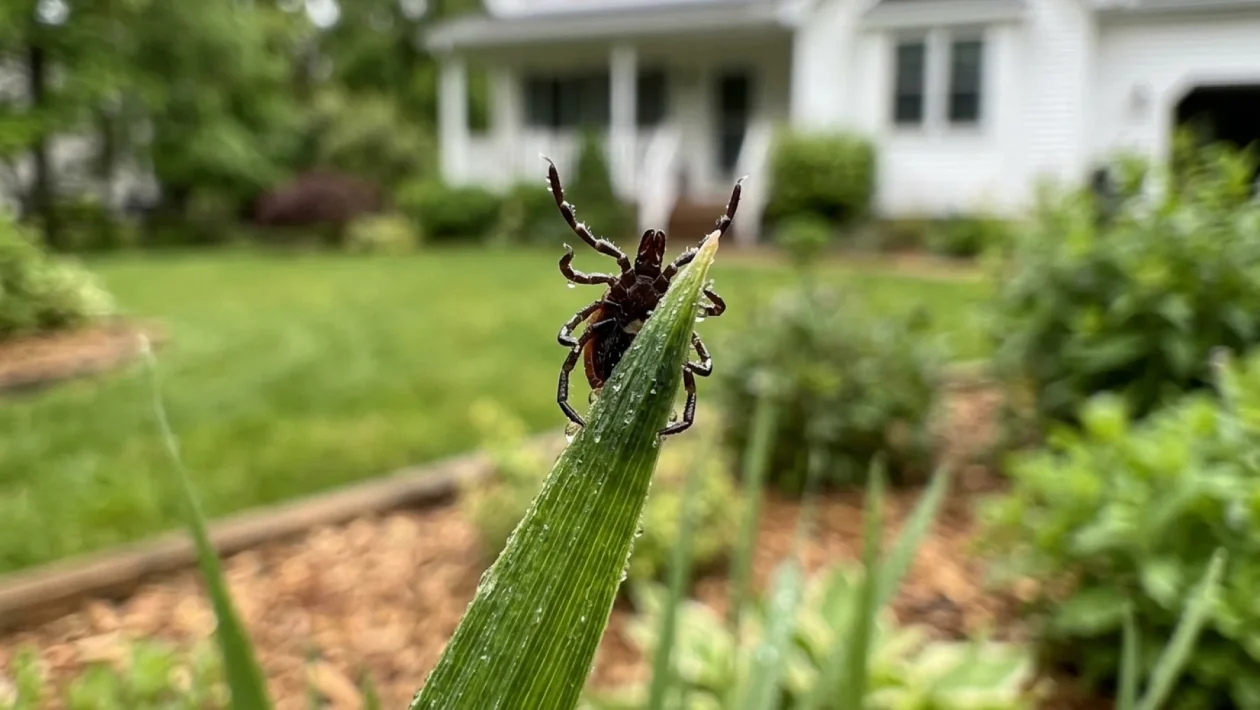
July 2026 is officially the summer of the tick, and the anaplasmosis outbreak 2026 is hitting backyards from Nova Scotia to British Columbia with unprecedented force. Forget Lyme disease for a minute; this lesser-known bacterial infection is hospitalizing folks at record rates because almost nobody saw it coming. We are dealing with an explosive population of black-legged ticks hunting in our very own gardens.
I’m going to show you exactly how to reclaim your property and keep those bloodsuckers off your skin. With a few smart, practical adjustments, you can stop treating your lawn like a minefield and get back to enjoying the summer.
The Anatomy of the Anaplasmosis Outbreak 2026
If you haven’t heard of anaplasmosis yet, you are not alone. It’s a bacterial infection transmitted by the exact same deer ticks that carry Lyme, but it acts entirely differently. Instead of a slow burn, it attacks your white blood cells, bringing on severe chills, fever, and muscle aches almost out of nowhere.
The danger with the anaplasmosis outbreak 2026 is the lack of obvious warning signs. You don’t get that helpful, albeit creepy, red ring on your skin.
“People are constantly checking for the classic bullseye rash associated with Lyme, but anaplasmosis doesn’t give you that visual warning. It hits you like a massive summer flu that just keeps getting worse,” warns Dr. Sarah Jenkins, a leading infectious disease specialist tracking this summer’s data.
Because it masquerades as a bad summer bug, many people brush it off. But ignoring it can lead to respiratory failure or bleeding problems, which is exactly why emergency rooms are seeing a major spike right now.
Why This Summer Is Canada’s Worst Tick Season
Mother Nature threw us a massive curveball this past year. We had an incredibly mild, practically non-existent winter across most of North America. Without those deep, sustained freezes to thin the herd, adult ticks survived and reproduced at terrifying rates.
Here is a hard fact that should make you sit up: researchers estimate that suburban tick populations have expanded by a staggering 300% compared to just a decade ago. Our neighborhoods are literally crawling with them.
Furthermore, the deer and white-footed mice populations—the prime transportation for these parasites—have thrived. They are dragging these infected ticks right out of the deep woods and dropping them directly onto your freshly mowed lawn.
How to Bulletproof Your Yard Against the Invasion
You don’t need to pave over your grass to stay safe. You just need to make your property incredibly hostile to ticks. These pests dry out easily and despise direct sunlight and dry surfaces.
Before you even start working in the brush, head over to Mark’s and pick up some of their permethrin-treated workwear—it’s an absolute game-changer for guys working outdoors. Then, take a quick trip to your local Canadian Tire for a few bags of cedar mulch to build your perimeter defense.
| Yard Defense Tactic | Tick Reduction Impact |
|---|---|
| Create a 3-foot wood chip barrier | Stops 50%+ of ticks from crossing into the lawn |
| Mow lawn strictly to 3 inches | Eliminates the deep, damp shade ticks crave |
| Rake up dense leaf litter | Destroys primary breeding and resting grounds |
Ticks are ambush predators. They sit on the tips of tall grass and wait for you to brush past them. By keeping your lawn tidy and creating a dry mulch barrier between the woods and your play areas, you cut off their access.
Even with the best yard defense, you still need a rock-solid personal protocol when you come back inside. Make this routine a non-negotiable habit:
- Strip down immediately after coming inside and toss your clothes in the dryer on high heat for 10 full minutes to roast any sneaky stowaways.
- Grab a hand mirror and thoroughly inspect the warm, dark places ticks naturally gravitate toward: armpits, groin, behind the knees, and deep in your scalp.
- If you find an embedded tick, use fine-tipped tweezers to grasp it as close to the skin’s surface as possible and pull straight up with steady, even pressure—never twist it!
Frequently Asked Questions
How quickly can a tick transmit anaplasmosis?
Unlike Lyme disease, which generally takes 24 to 36 hours of attachment to transmit, anaplasmosis can be transmitted much faster. Studies show it can be passed into your bloodstream in as little as 12 to 24 hours, making quick removal absolutely critical.
Is anaplasmosis treatable once infected?
Yes, highly treatable. If caught early, a standard course of antibiotics like doxycycline will knock it out within a couple of weeks. The trick is catching it early and telling your doctor you’ve had recent tick exposure.
Can my dog catch anaplasmosis?
Absolutely. Dogs are highly susceptible to the bacteria. Keep an eye out for lethargy, joint pain, and loss of appetite in your furry buddy, and make sure they are on a vet-approved tick preventative all summer long.
Wrapping It Up
🤝 Good luck out there this summer, and remember that an ounce of prevention is truly worth a pound of cure when it comes to backyard pests.
💡 Stay vigilant when you’re enjoying a cold beer on the patio or playing fetch with the dog, especially if your property backs onto heavy woods.
📱 Share your thoughts and your own successful yard-defense strategies in the comments below—I read every single one of them.
👇 Hit that share button to warn your friends, neighbors, and family about the 2026 outbreak before they head out to the cottage this weekend!