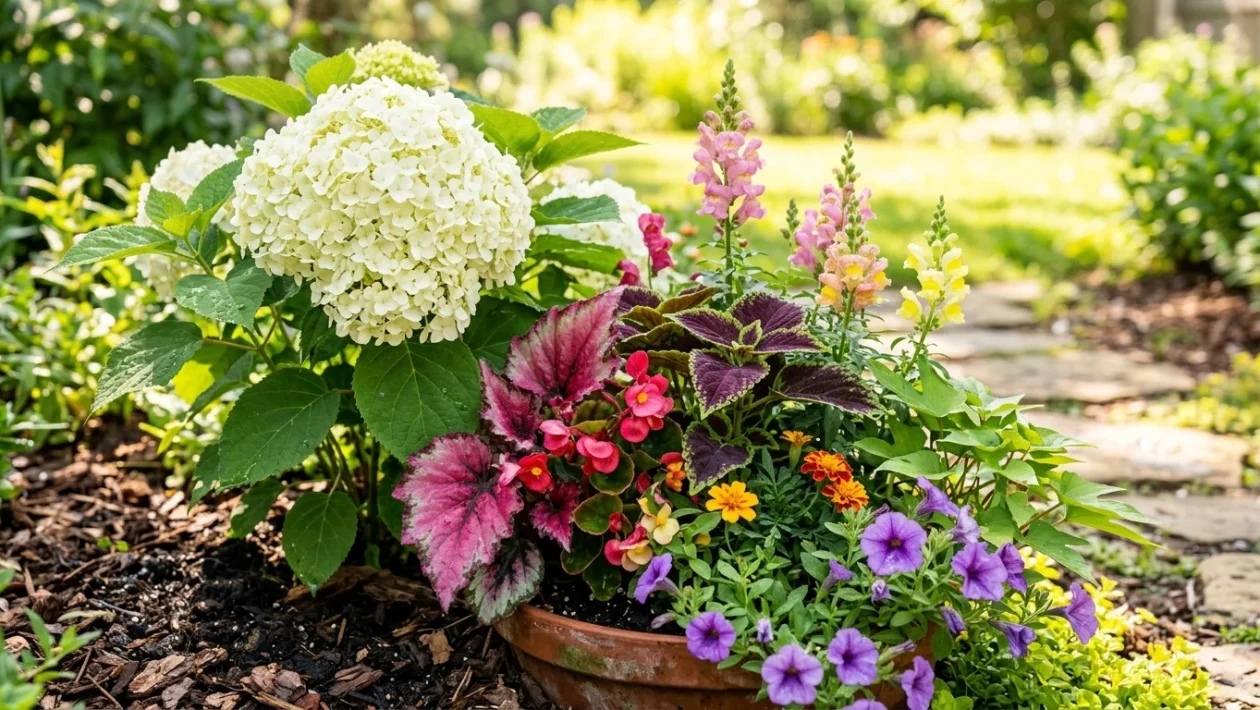
Hydrangeas are undeniable garden heavyweights, known for their massive summer blooms in shades of white, pink, and purple. However, their lower stems can sometimes look bare, and planting perennials nearby locks you into a permanent landscape design.
Choosing annuals as companion plants solves this problem, allowing you to refresh your garden beds every single season. To pinpoint the best pairings, we consulted three landscaping experts: Angelika Zaber of Online Turf, Tammy Sons of TN Nursery, and Fernanda Varela of Seattle Sustainable Landscapes.
They identified six annuals that share the hydrangea’s environmental needs without competing for vital resources in the soil.
Begonias
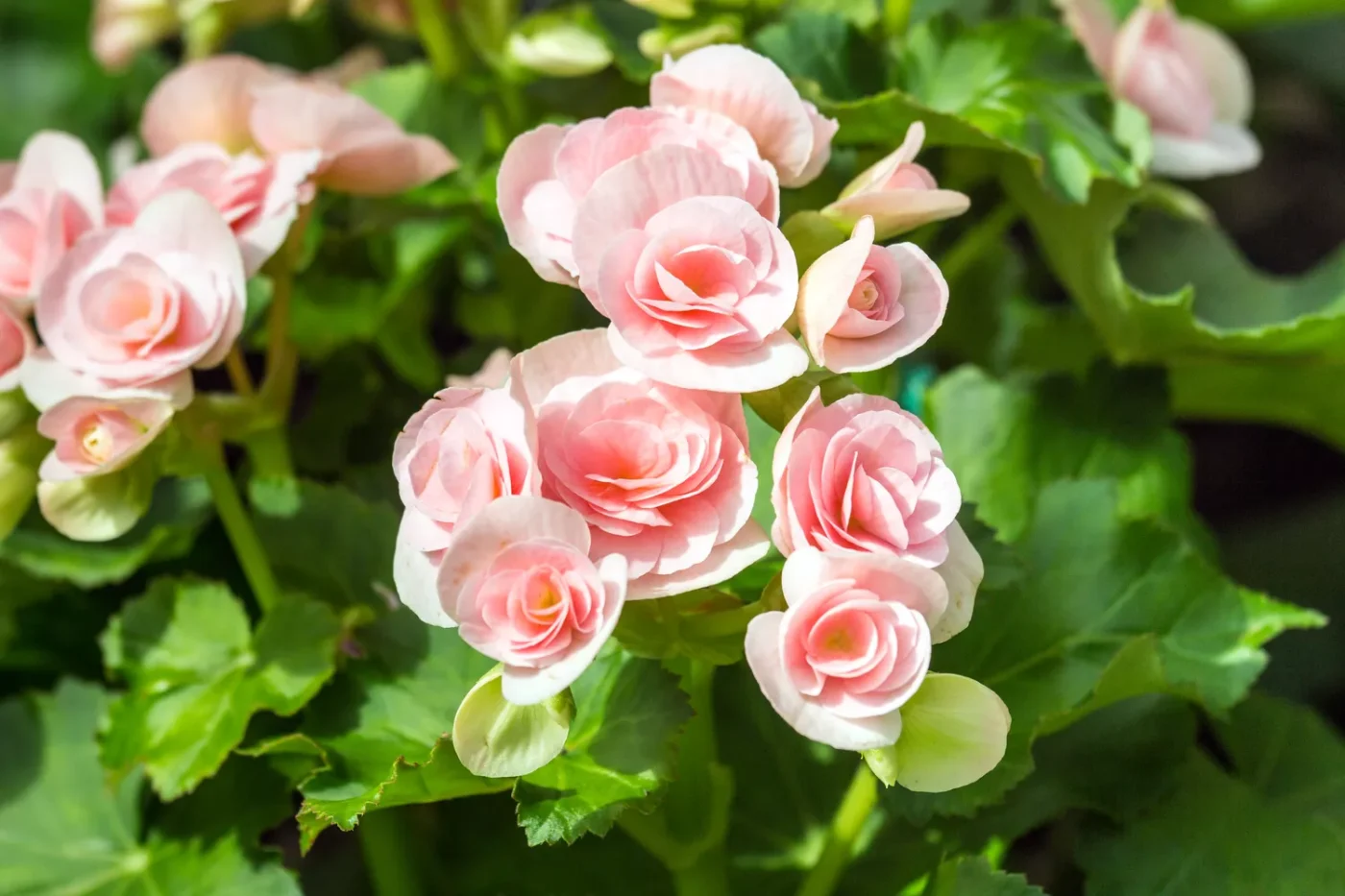
Pink begonia flower in the garden, close up.
Begonias are a natural fit for hydrangeas, offering continuous, vibrant blooms in shades like pink, red, and white. They are typically grown as annuals in most climate zones.
“Begonias and hydrangeas work well together because of their similar environmental needs,” says Angelika Zaber, a gardening expert with Online Turf. “Both plants require a few hours of morning sun, followed by some shade in the afternoon, and consistently moist, well-draining soil.”
Impatiens
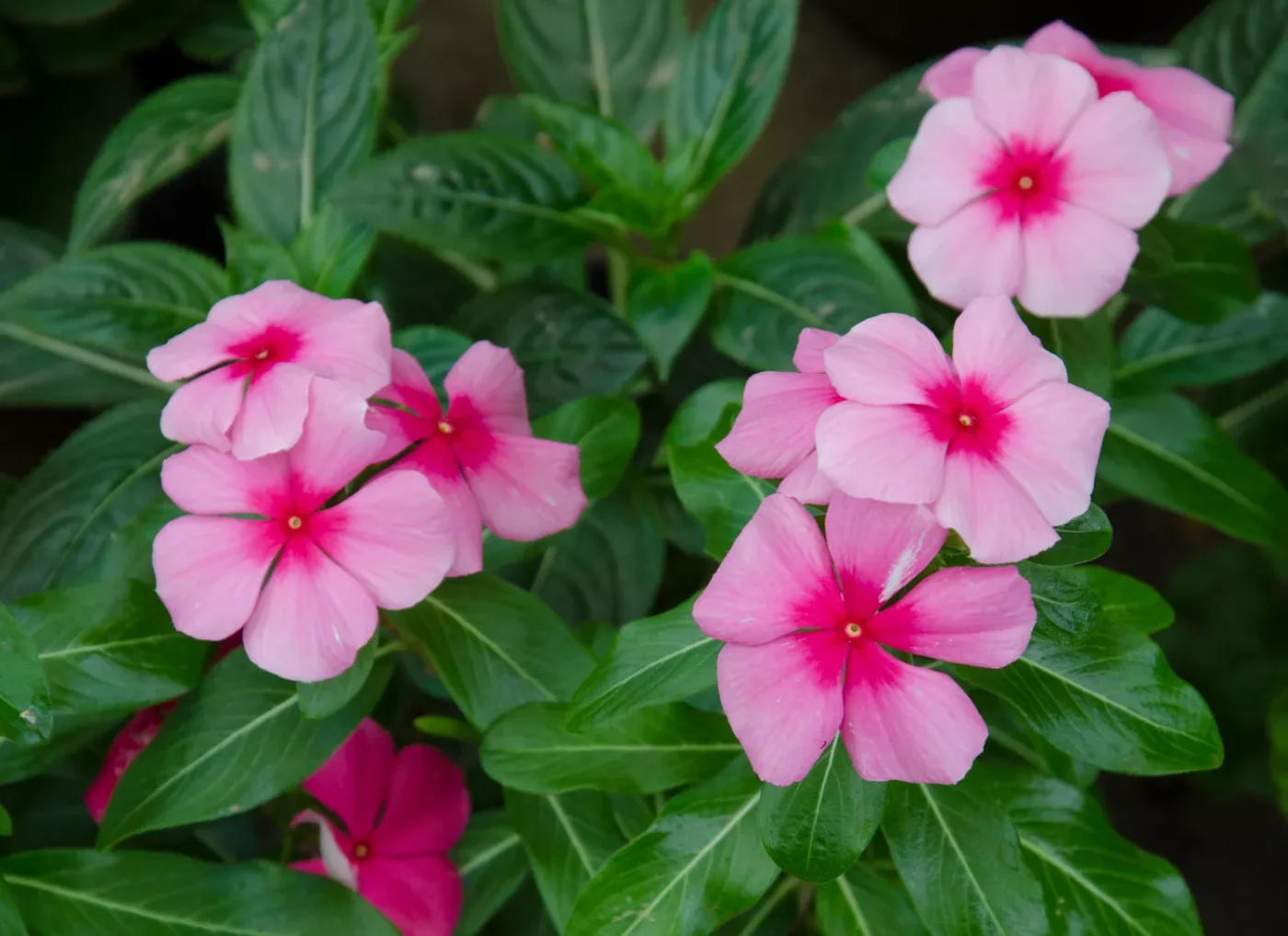
Pink impatiens in a garden.
If you need a low-growing plant to border a tall hydrangea shrub, impatiens deliver vivid, low-maintenance color. They bloom reliably in shades of red, orange, purple, and pink.
“Both impatiens and hydrangeas thrive in partial shade and consistently moist, nutrient-rich soil,” Zaber notes. “They’re also a great way to add some color and visual interest around the base of the shrub.”
Coleus
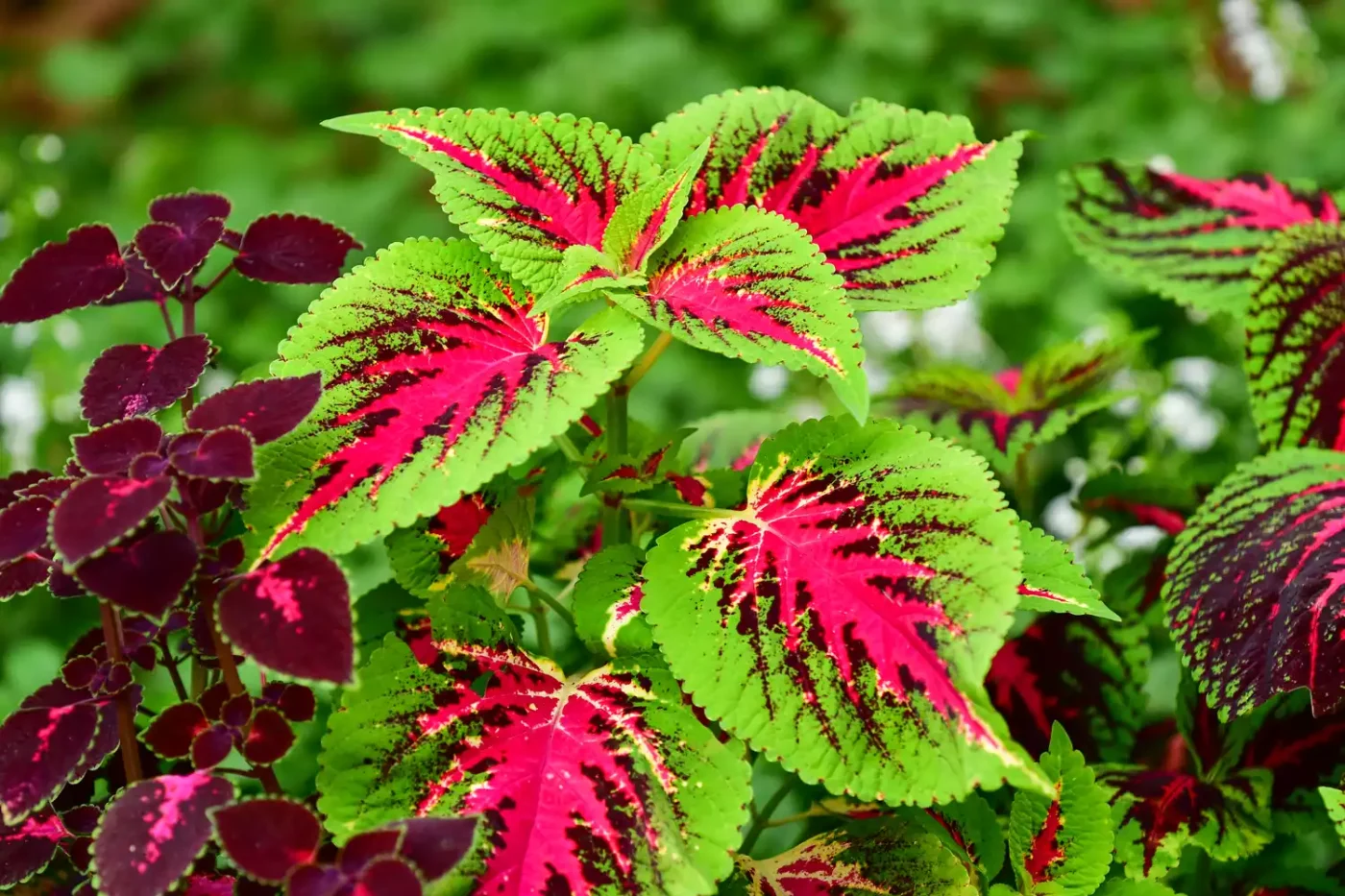
Bold green and pink coleus plant.
Unlike the other plants on this list, coleus stands out purely for its striking foliage. While it does produce flowers, the plant looks its best when its dramatic leaves take center stage.
“A coleus will give the same interest even when it is not flowering, and its large leaves contrast well with the large hydrangea flower heads,” explains Tammy Sons, founder and CEO of TN Nursery.
Both plants thrive in shady environments with consistently moist soil. To keep the foliage looking lush, simply pinch off any coleus flowers as they appear to redirect the plant’s energy back to its leaves.
Browallia
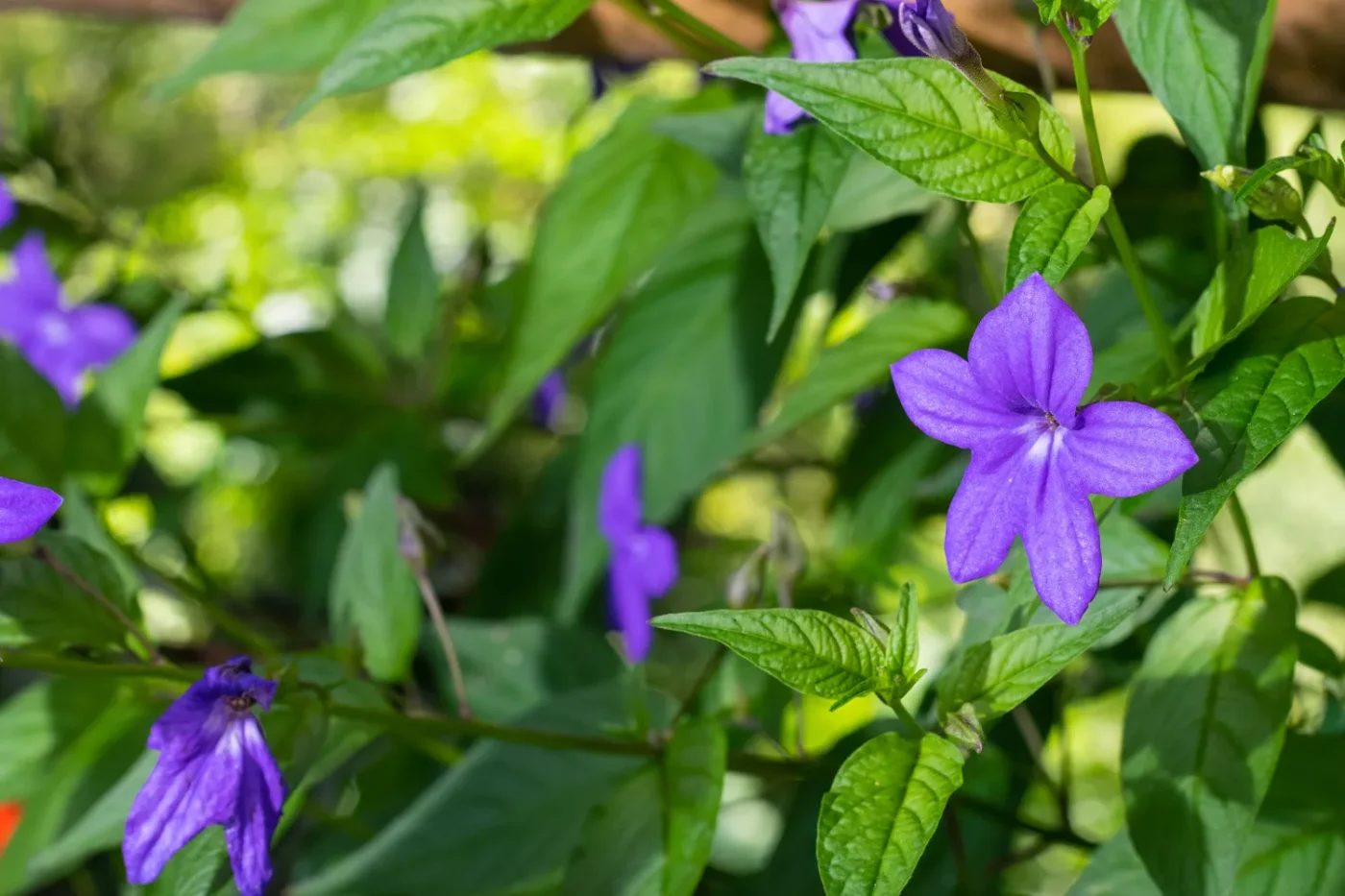
Browallia.
Browallia is technically a tropical perennial, but gardeners in cooler climates treat it as an annual because it cannot survive freezing winters. Like the hydrangea, it prefers afternoon shade.
“Browallia blooms with beautiful, tubular flowers that come in blue, purple, and white,” Zaber says. “This makes it a perfect choice if you want to achieve that cottage or woodland garden look.”
The delicate, tubular structure of browallia provides a sharp, visually appealing contrast to the massive, clustered flower heads of a hydrangea.
Snapdragons
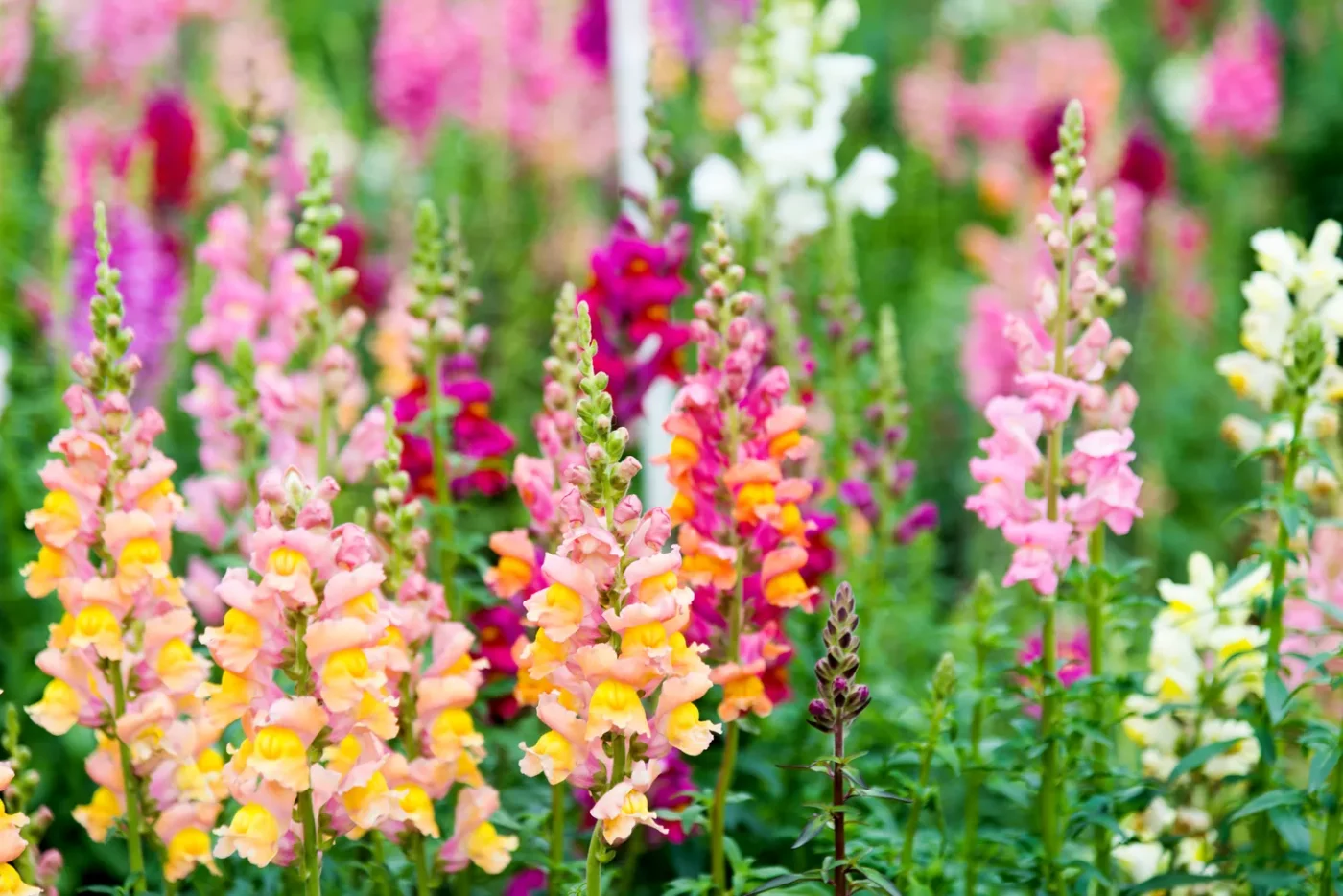
Colorful snapdragon flowers in a garden.
Snapdragons generally prefer full sun, but they adapt well to the partial shade environments where hydrangeas often live. Alternatively, they pair perfectly with sun-tolerant hydrangea varieties, such as the Limelight.
“The plant’s flowers come in white, pink, red, yellow, orange, and purple, making it easy to pair them with hydrangeas that tend to have softer, muted colors, for a beautiful display that’s full of life,” Zaber says.
Geraniums
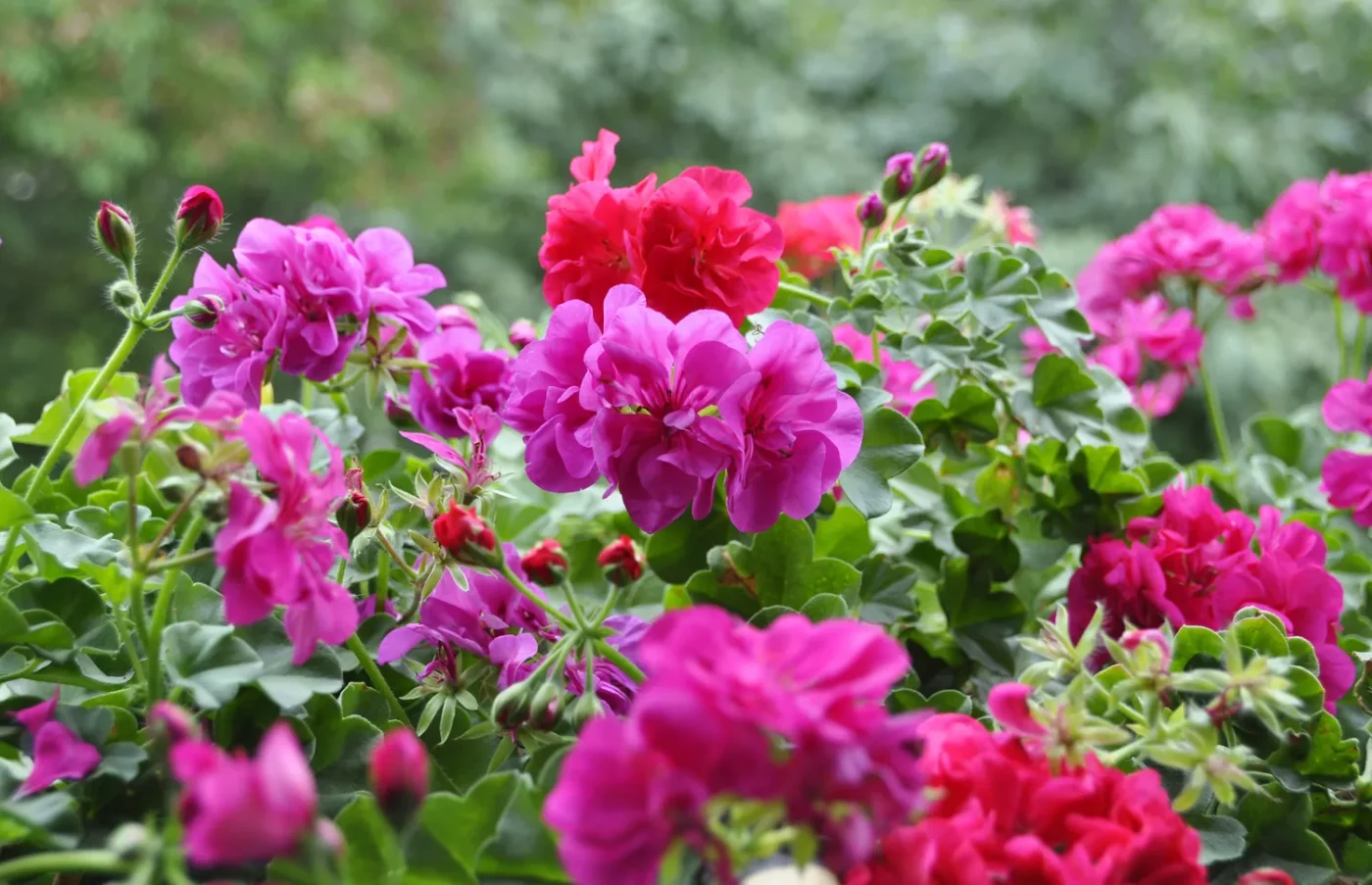
Pink geranium flowers in a garden.
Geraniums are highly adaptable, low-maintenance plants known for their remarkably long bloom times. They are especially effective when paired with sun-tolerant hydrangeas.
Fernanda Varela, a landscape designer with Seattle Sustainable Landscapes, notes that geraniums will not compete with hydrangeas for water.
“Geraniums can be planted under the hydrangeas to cover their bare lower stems, and they look beautiful together,” Varela says.