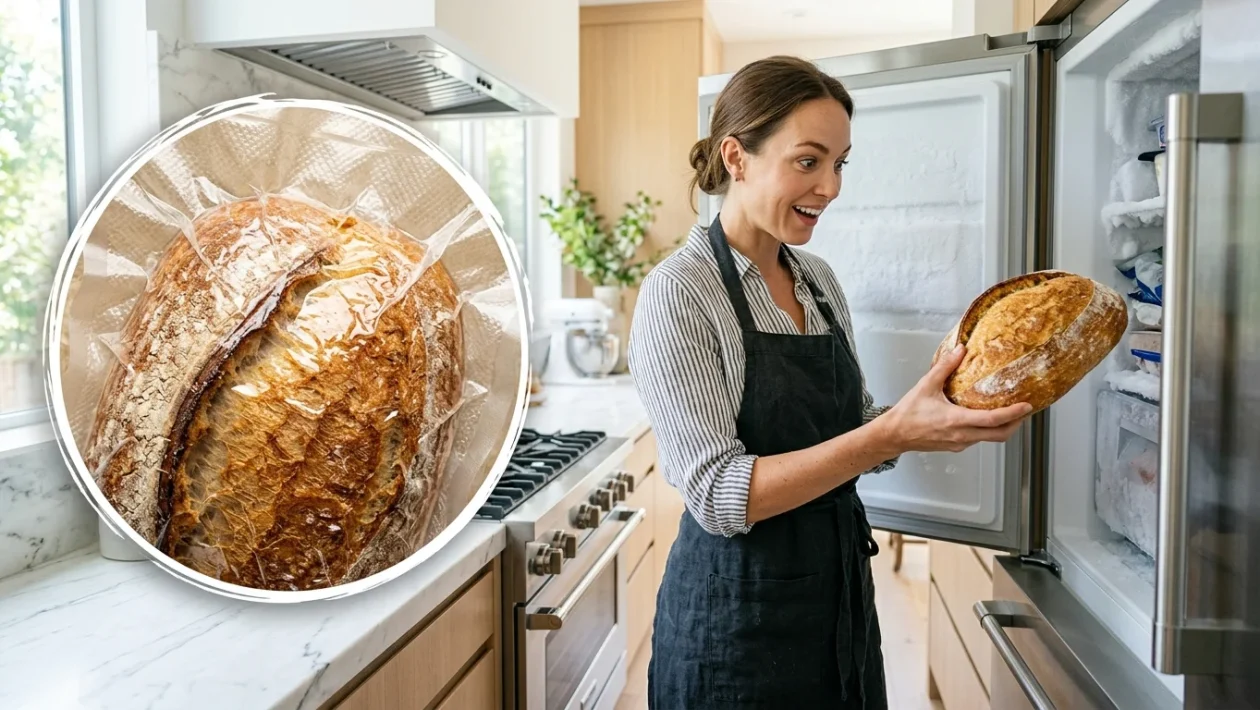
The Secret to Zero-Waste Bread Storage
Buying only the bread you plan to eat is the golden rule of grocery shopping. Leftovers inevitably harden or spoil, creating completely unnecessary food waste.
If stored in a humid environment, excess bread quickly develops mold, turning a staple food into a serious health hazard.
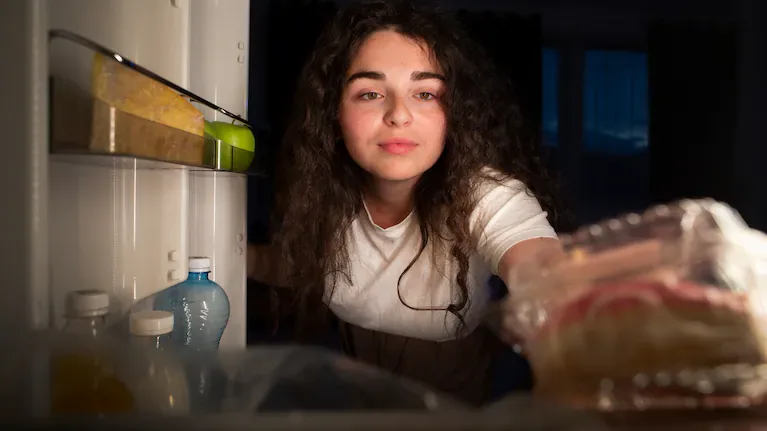
A standard home refrigerator and freezer setup.
While you can repurpose stale slices into toast, breadcrumbs, savory tarts, or bread pudding, freezing is the ultimate way to hit the pause button. Done correctly, the freezer preserves the bread’s original texture and flavor.
Preparation is everything. Tossing a naked loaf into the freezer guarantees a dry, rubbery mess.
Wrap the bread tightly in plastic wrap, or slip it into an airtight zip-top bag. Squeeze out every bit of air before sealing.
According to experts, this barrier stops the dough from absorbing ambient moisture and emerging completely soggy.
Strategic Freezer Placement
For hard-crusted loaves like baguettes, add a layer of parchment paper before bagging them for extra armor.
Where you stash the bread matters. Push it all the way to the back of the freezer.
This placement shields the dough from the temperature spikes that occur every time the freezer door opens.
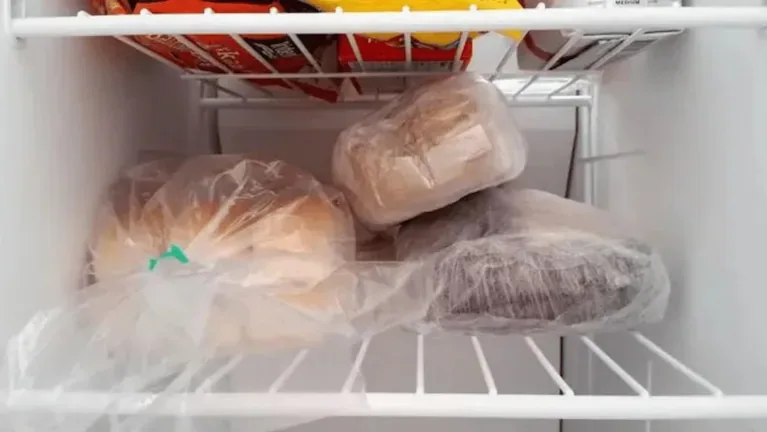
Once thawed, bread cannot be safely frozen again.
For maximum convenience, slice the loaf before freezing. This lets you pull out exact portions for a pasta dinner, lunch, or a snack with butter and dulce de leche.
The Thawing and Crisping Protocol
When you are ready to eat, place the frozen bread on a wire rack or a clean cloth at room temperature.
Never cover it or trap it inside a container. The bread needs air to thaw properly, a process that takes about an hour depending on the loaf’s size.
To restore that bakery-fresh crunch, preheat your oven to 350 degrees Fahrenheit (180 degrees Celsius).
Lightly dab the bottom of the crust with water and bake for 10 minutes.
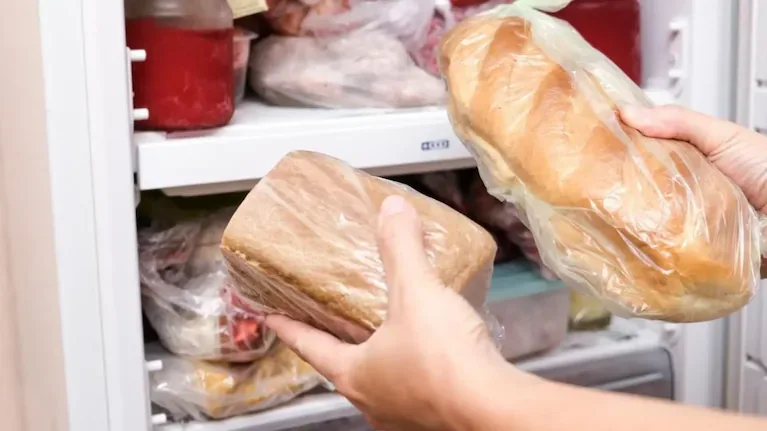
Bread must be securely wrapped before entering the freezer.
The steam plumps the crust back to its original state, while the heat dries out any lingering moisture. Air fryers and microwaves can also work as backup options.
Never refreeze thawed bread. Doing so skyrockets the risk of dangerous mold and bacterial growth.
Why Bread Deserves a Place on Your Plate
If stored correctly, bread is safe to eat past its printed best-by date. However, toss it immediately if you spot mold, excess moisture, or detect a strange odor.
Bread remains a dietary staple for good reason. Its complex carbohydrates deliver sustained energy for peak brain and body function throughout the day.
Whole wheat varieties pack essential fiber, which slows digestion, boosts satiety, and helps regulate cholesterol and blood glucose levels.
Loaves baked with whole wheat, rye, added seeds, or legumes also provide a solid boost of protein.