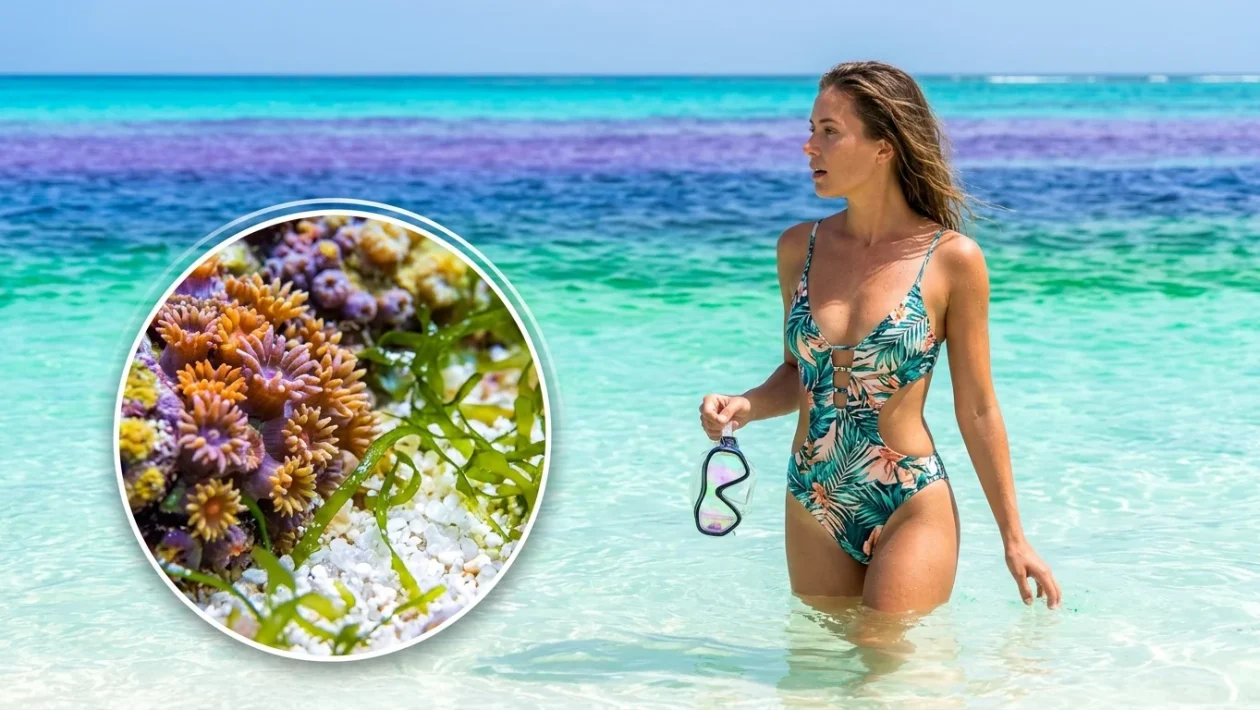
The Caribbean holds some of the planet’s most striking landscapes, but one destination stands out for a rare marine phenomenon. The offshore water appears to shift shades depending on your vantage point, blending blues, greens, and even violet hues.
This is San Andrés island, one of Colombia’s premier tourist destinations. Beyond its white sand and clear waters, it is globally recognized for the “Sea of Seven Colors.”
Where is San Andrés?
San Andrés is part of the Colombian department of the Archipelago of San Andrés, Providencia, and Santa Catalina. Geographically, the island actually sits much closer to the coast of Nicaragua than to mainland Colombia.
The Science Behind the Colors
The sea’s visual effect isn’t an actual change in the water’s pigment. It is a precise combination of natural factors.
Varying ocean depths, coral reefs, dense algae, white sand, and sunlight angle work together to generate a massive spectrum of tones.
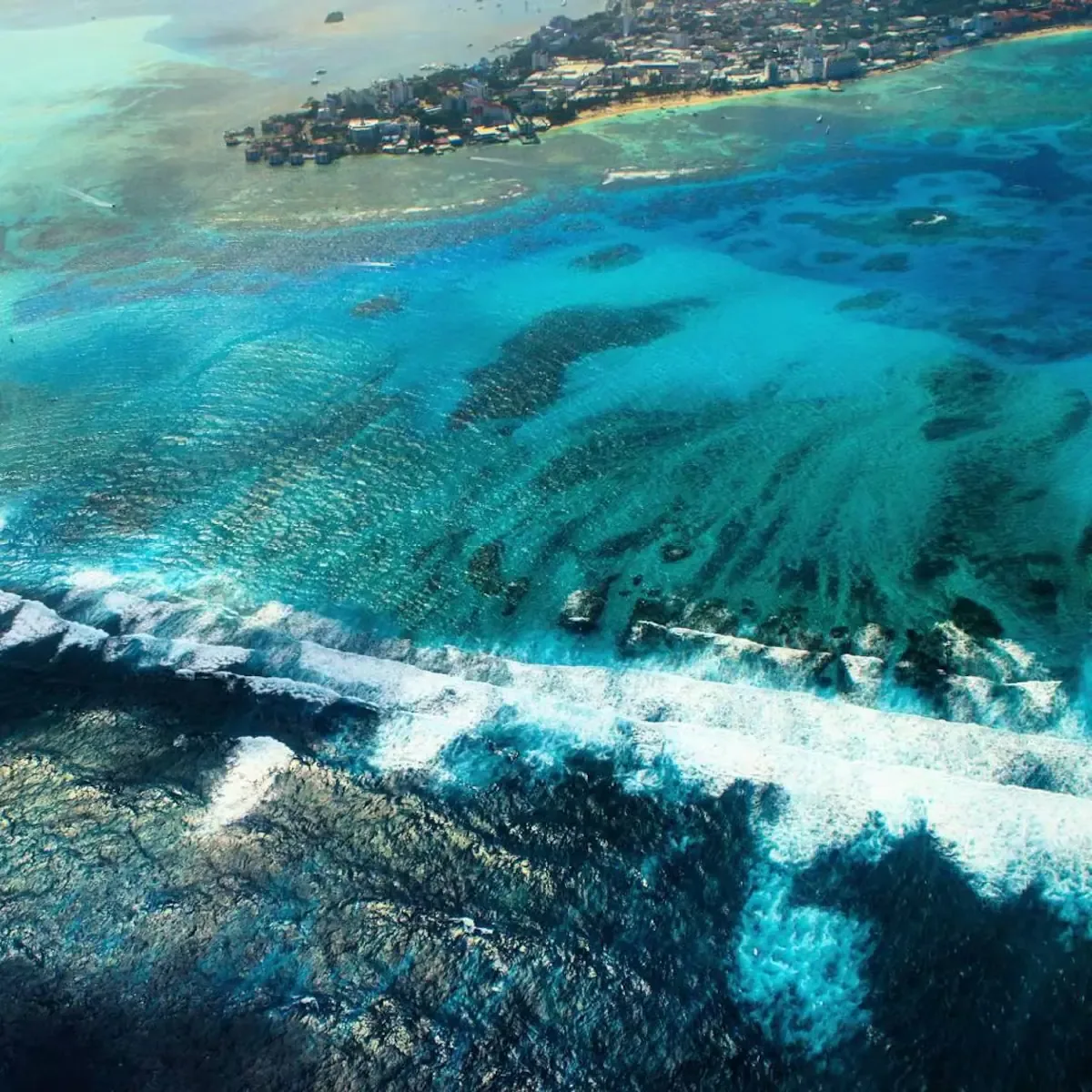
San Andrés, Colombia.
Observers consistently spot these distinct shades in the water:
- Turquoise blue in the shallowest zones.
- Greenish-blue where algae patches are most dense.
- Intense blue over rocky sea floors.
- Deep blue in the deepest offshore waters.
- Violet or lilac tones hovering directly above certain coral reefs.
- Transparent aquamarine right at the shoreline, driven by white sand and calcareous sediments.
How to Experience the Phenomenon
The prime location to witness this color shift is Johnny Cay, also known as Islote Sucre. This small islet is entirely surrounded by a massive coral reef.
The natural barrier breaks the surf, keeping the inner waters calm and highly transparent. This allows the sea’s shifting hues to pop with extreme clarity.
Travelers use the area for snorkeling to spot tropical fish, alongside riding jet skis and recreational boats.
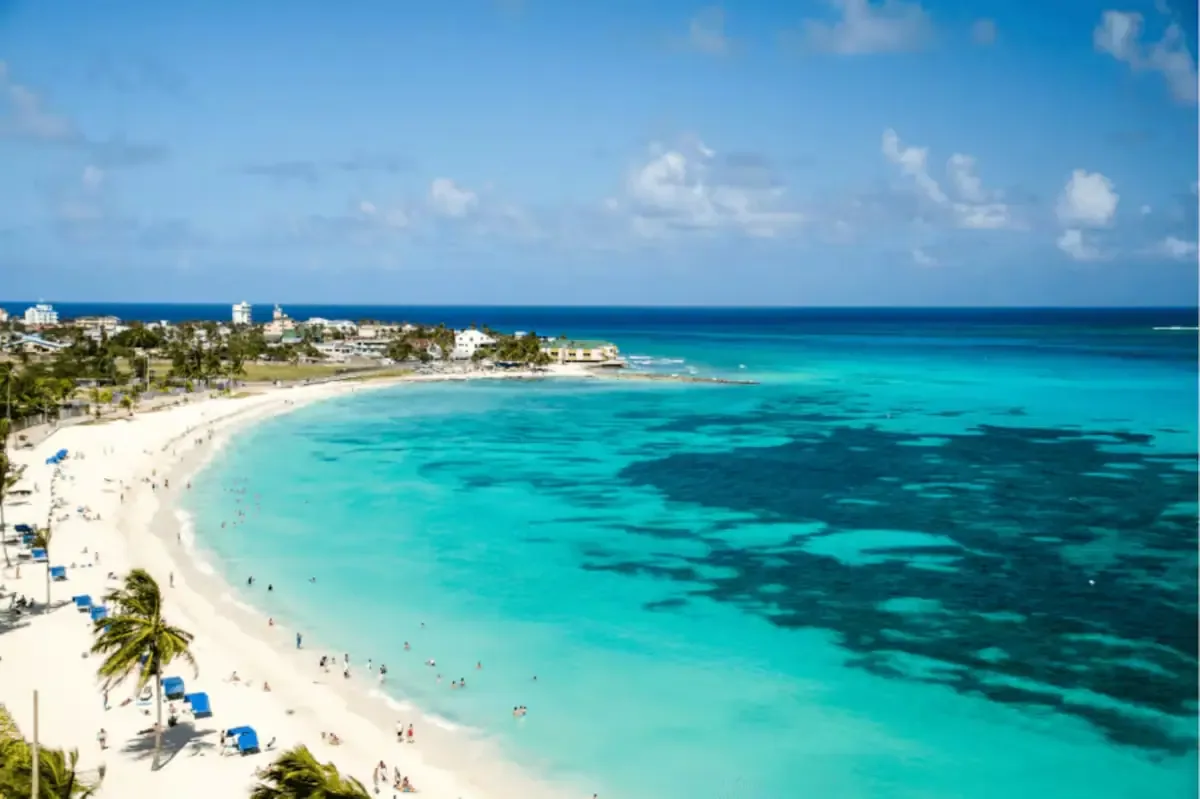
San Andrés, Colombia.
A UNESCO-Protected Ecosystem
The Sea of Seven Colors sits inside the Seaflower Biosphere Reserve. UNESCO declared this area protected in 2000 due to its immense environmental value.
The reserve contains one of the most critical coral reef systems in the entire Caribbean. It serves as the habitat for more than 2,300 marine flora and fauna species essential to the local ecosystem’s balance.
Best Times to Visit
Timing your viewing changes the experience entirely. At sunrise and sunset, the shifting sunlight alters how reflections hit the water.
During these hours, the distinct blue tones mix with pink, orange, and violet surface reflections.
For trip planning, the dry season—running from December to April—offers the best overall conditions. Days stay consistently sunny, rain is rare, and the water reaches peak transparency for diving and snorkeling.