Bindweed is a notoriously invasive climber that suffocates garden beds and overwhelms native plants. Most gardeners rip it out and throw it straight into the compost bin without a second thought.
However, this aggressive perennial actually has a highly practical secondary use. Instead of discarding it, you can process the vines into functional, biodegradable garden twine.
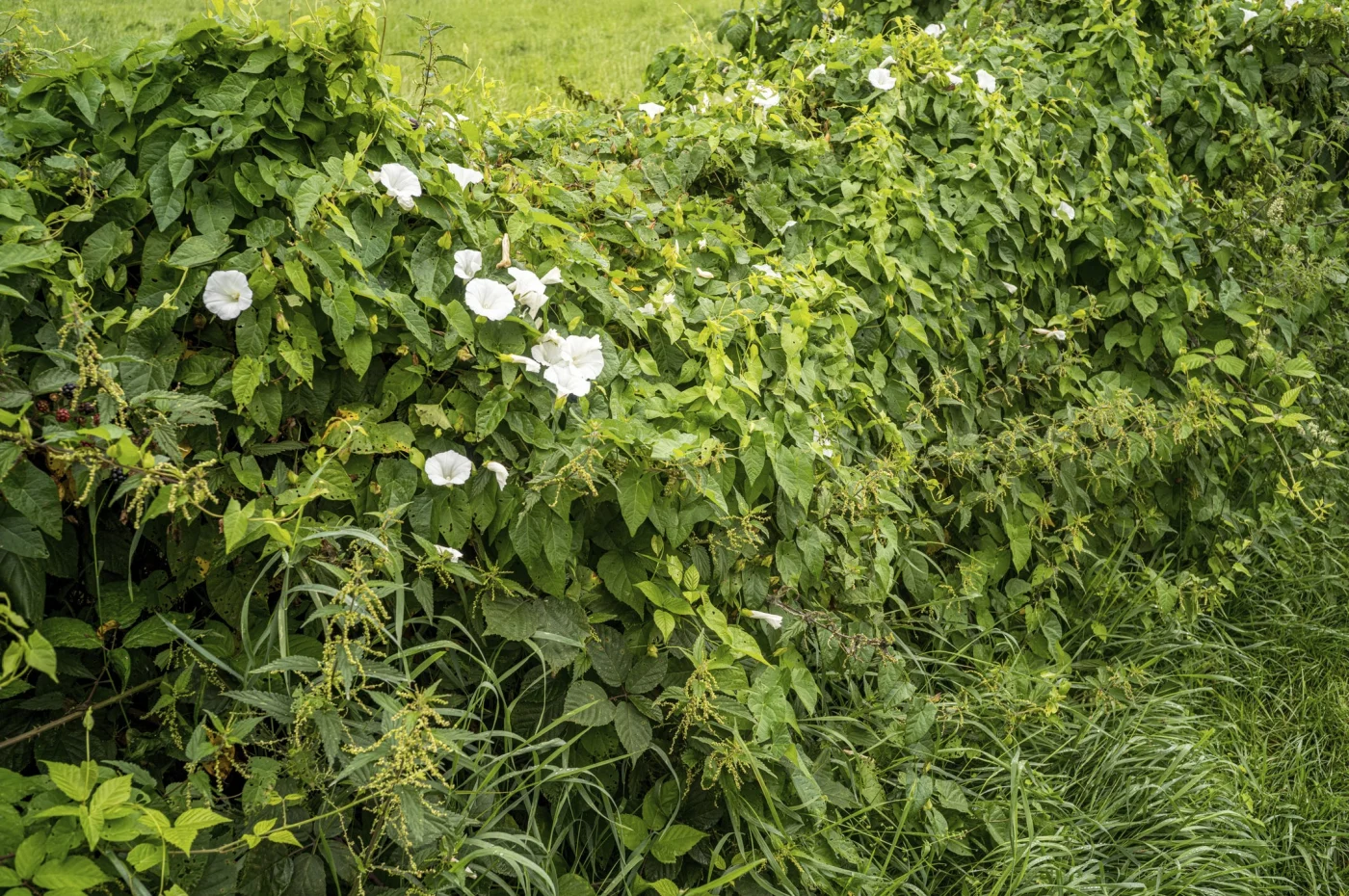
Green vine with white flowers growing over a fence in a field.
The Preparation Process
Jamie Wilton, known on Instagram as Nettles & Petals, transforms the troublesome weed into strong, usable cord. The process begins with selectively harvesting the longest stems available in your yard.
“Ideally you would just harvest the longest bindweed stems, strip off the leaves, and let them dry for 2 to 3 days before soaking them in water for an hour to soften,” Wilton explains.
Skipping the soaking step is possible if you are short on time. However, Wilton notes that the resulting twine will be noticeably less pliable during the weaving process.
Crafting the Cord
Creating the twine requires a simple twisting technique. First, tie two strands together at one end. Wilton recommends placing a heavy object, like a plant pot, on the tied end to firmly anchor it in place.
“I then bind the two lengths together by twisting them both in the same direction and then crossing them over one another, right left and then left right until I reach the end and tie them off again,” he says.
For extra strength, you can fold a single long piece of bindweed in half. Following the same crossing method naturally draws the two sides tighter together as you bind them.
Practical Garden Applications
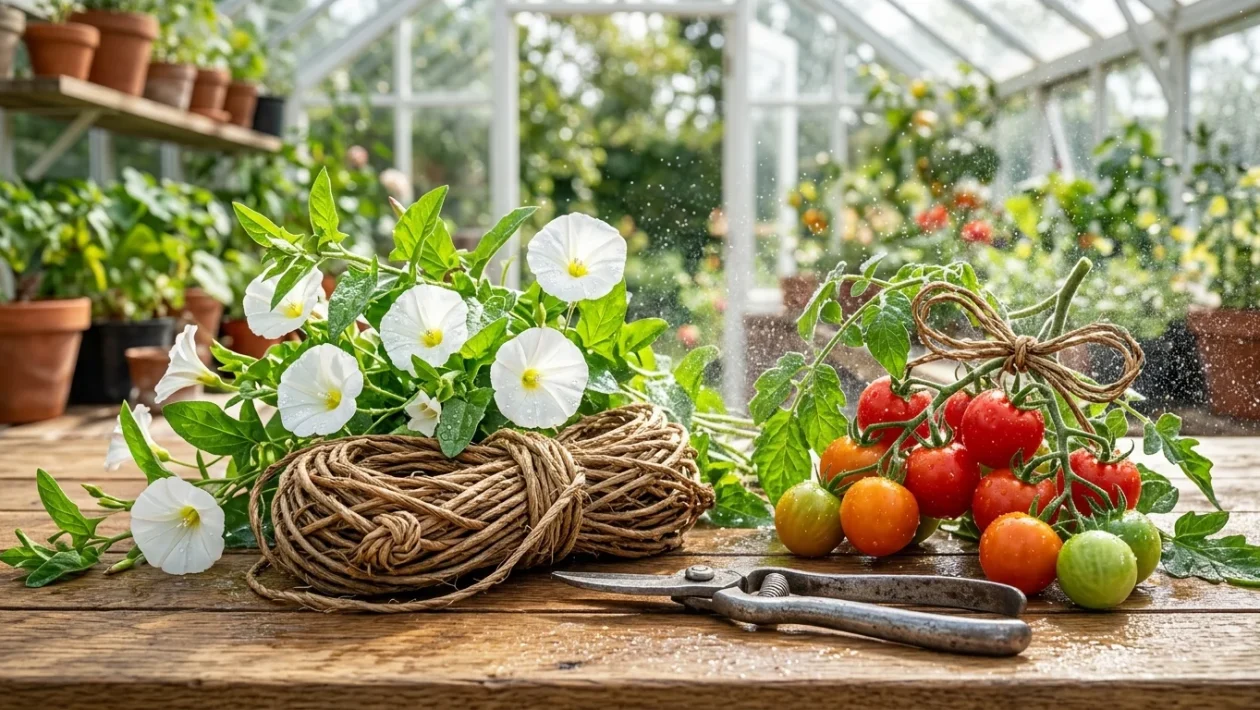
This handmade cord acts as a zero-cost alternative to commercial twine. It safely secures plants without introducing microplastics or synthetic fibers into your soil.
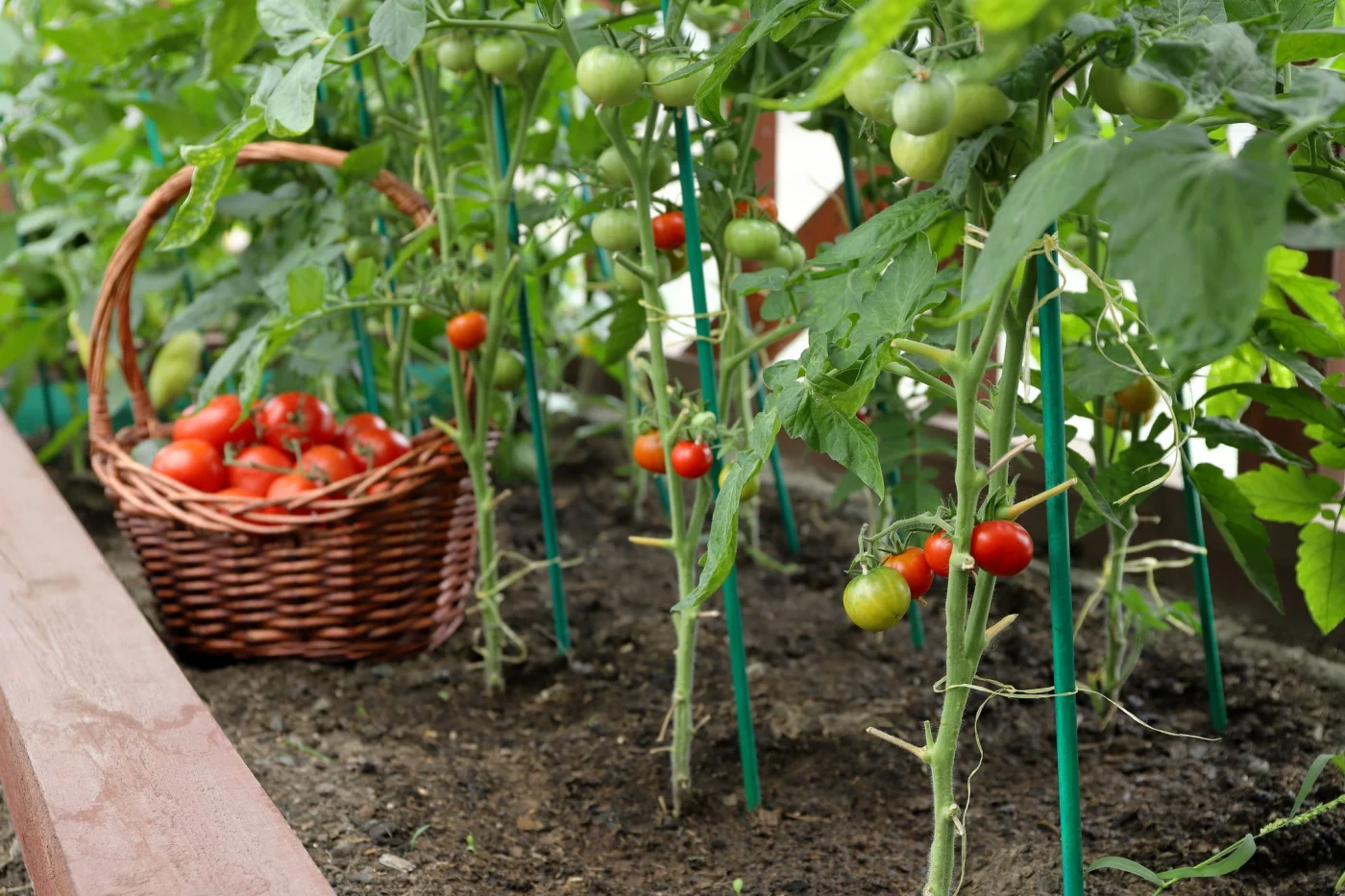
Ripe red and green tomatoes growing on a vine inside a greenhouse.
“This cord is then surprisingly strong and can be used in lots of practical ways in the garden as a twine alternative, such as stringing up your tomatoes in the greenhouse,” Wilton says.
Gardeners can also use the cord to secure soft stems to bamboo canes or tie up fresh herb bundles for indoor drying. Beyond its utility, the natural material slowly breaks down into the soil at the end of the season.
Complementing Rustic Garden Decor
Wilton points out that the handmade cord carries a distinct “rustic charm.” This organic aesthetic blends perfectly with other earthy, wildlife-focused garden decorations and outdoor living accessories.
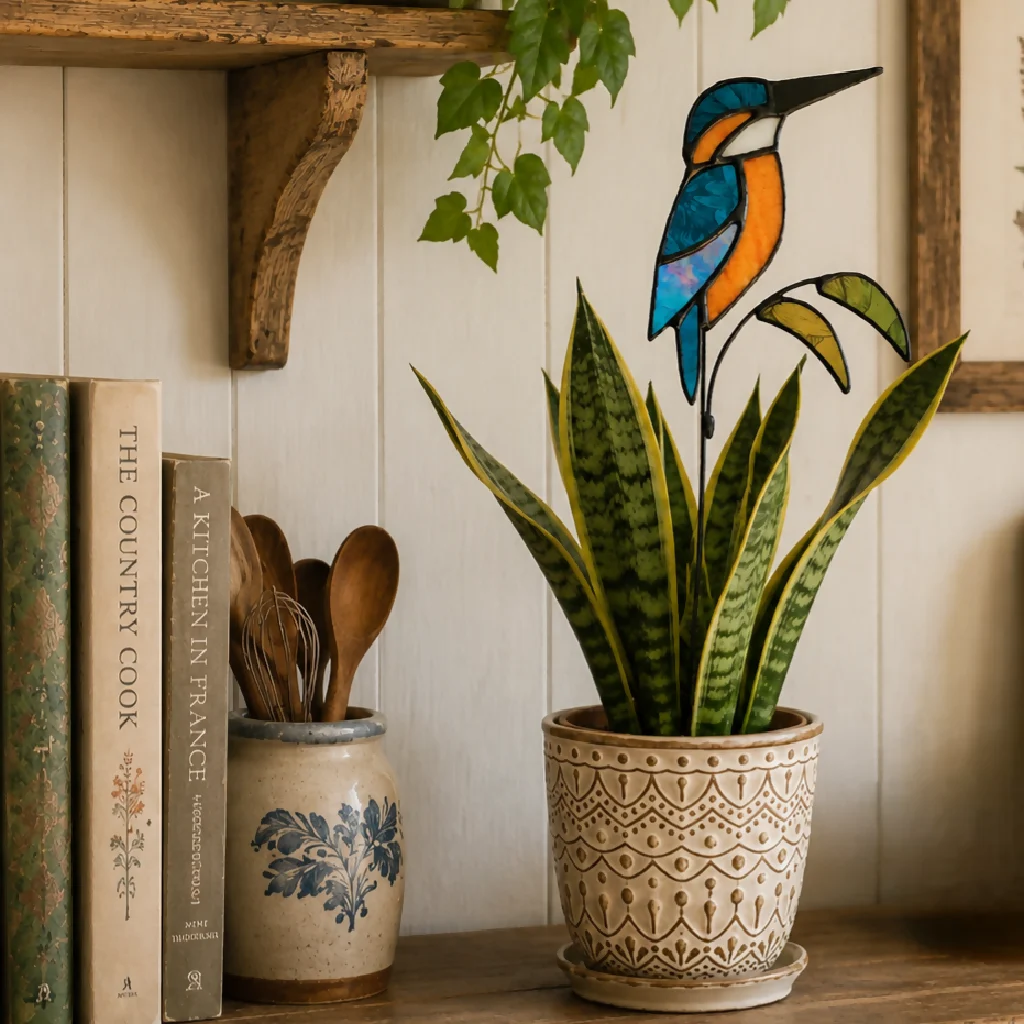
Glass-winged kingfisher bird resting on a leafed stem.
Accents like glass-winged bird ornaments easily attach to trellises built with natural twine.
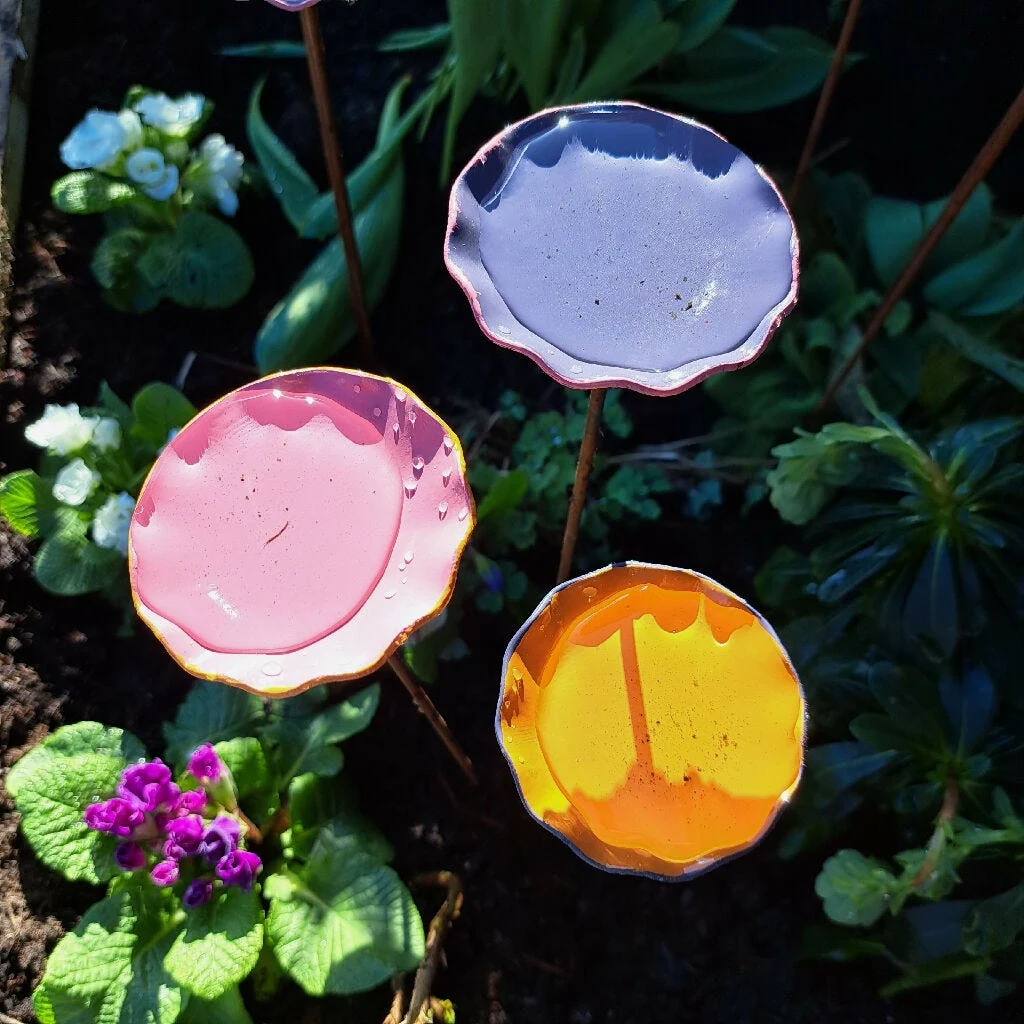
Butterfly puddler set for a wildlife garden.
Wildlife installations, such as butterfly puddlers, fit seamlessly into gardens that prioritize sustainable, DIY practices.
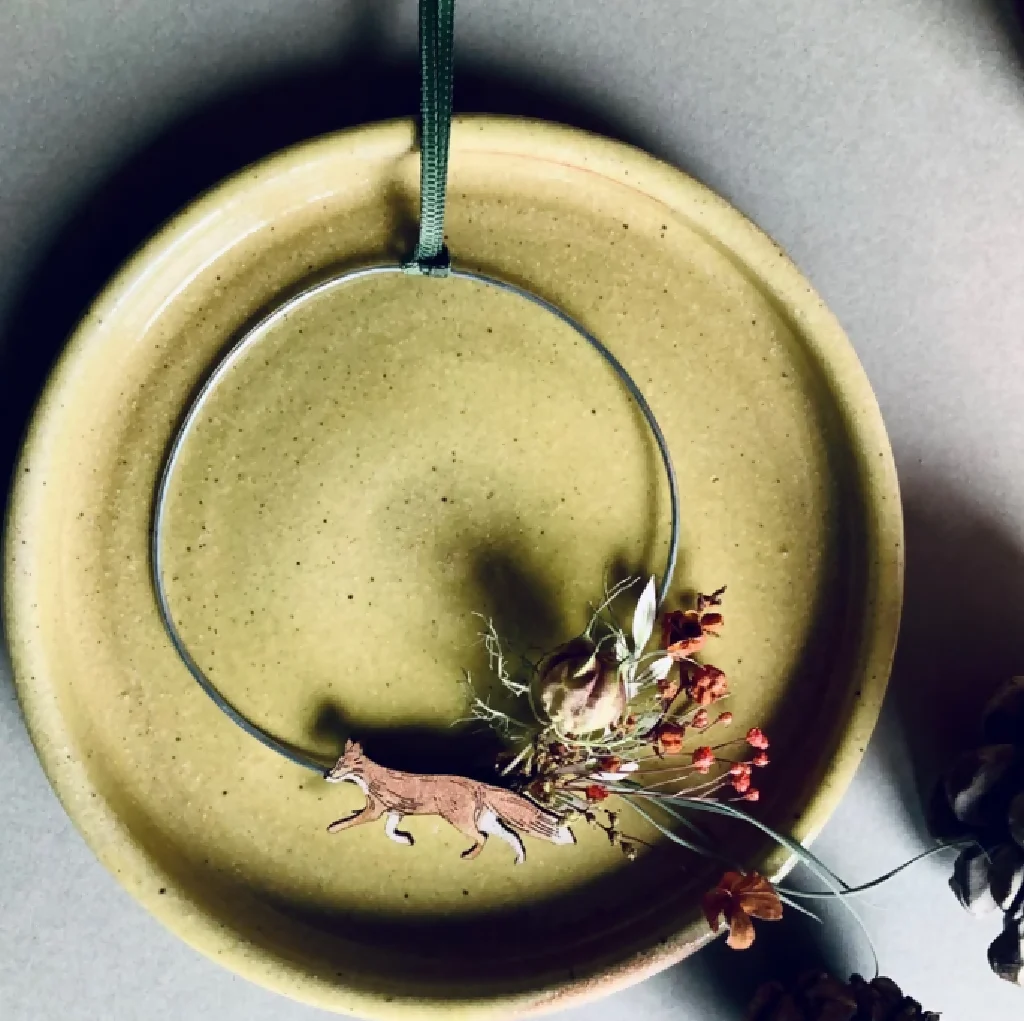
Small wreath featuring a fox design.
Small, nature-themed wreaths can be hung directly from garden gates or porch beams using leftover lengths of bindweed cord.
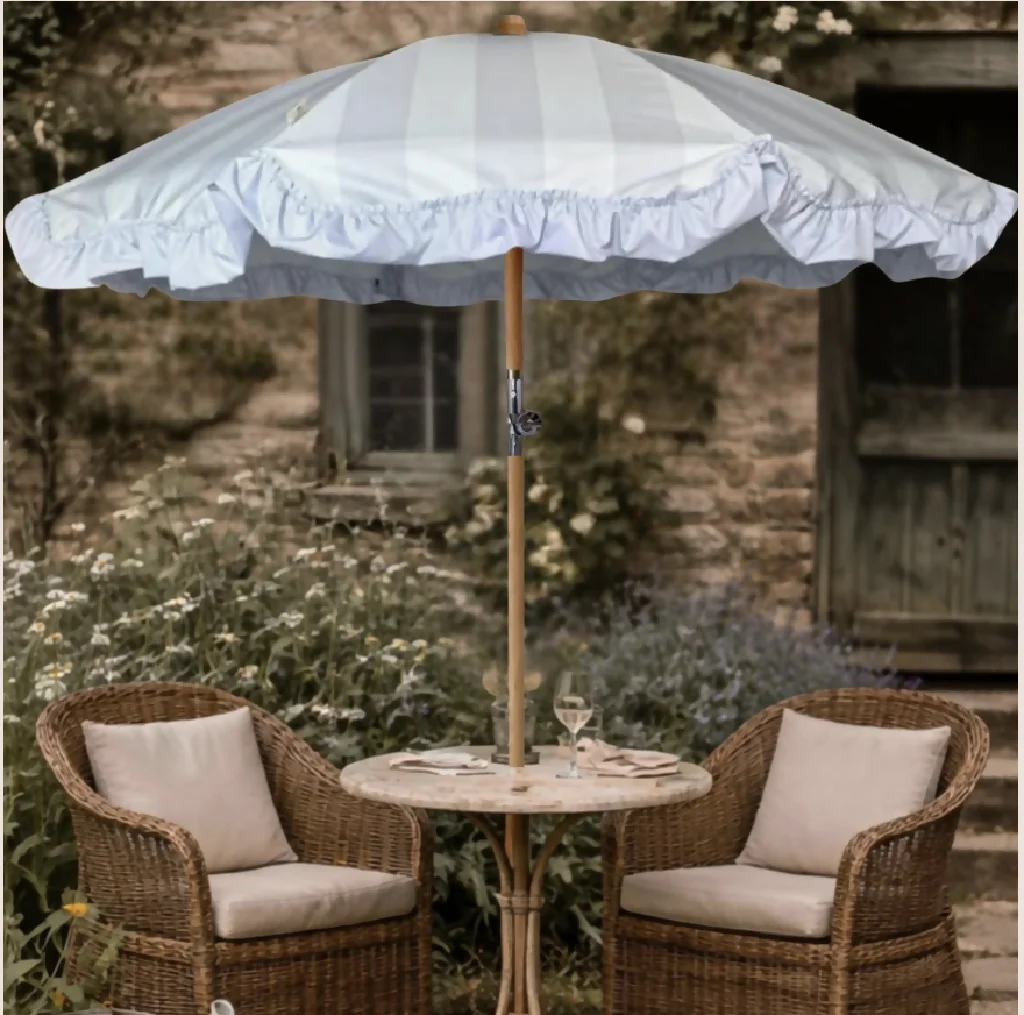
Powder parlour celadon veil parasol.
Vintage-style parasols lean into the same traditional, handcrafted aesthetic as woven natural fibers.
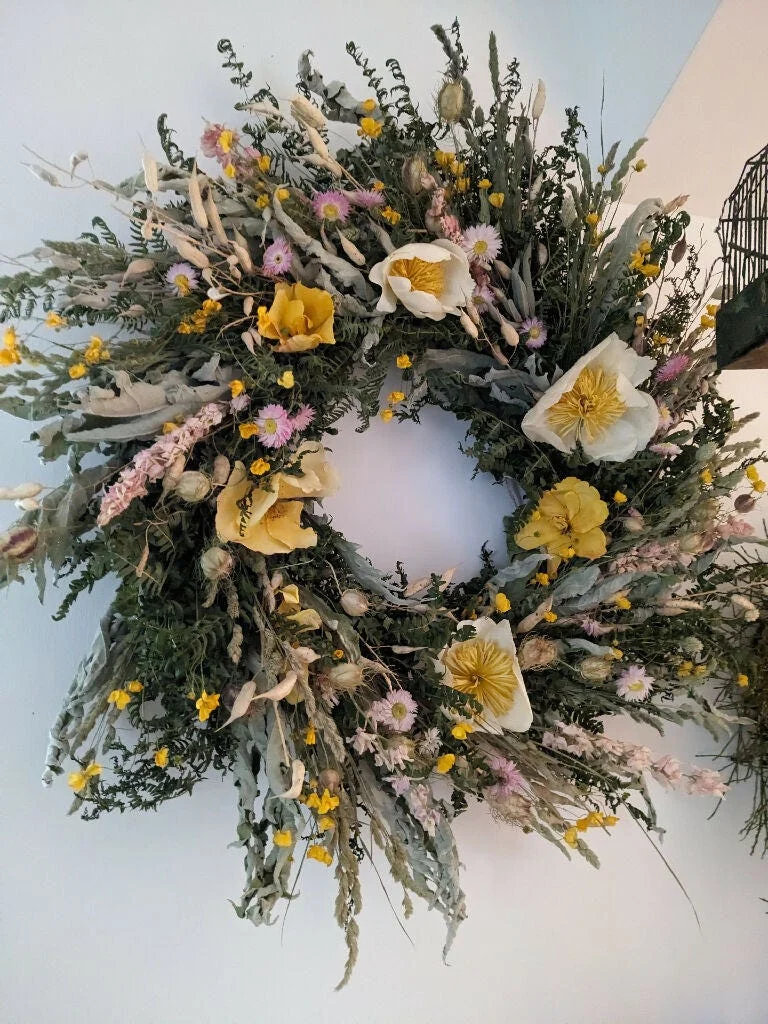
Large summer handmade dried flower wreath.
Dried flower wreaths are ideal candidates for being tied up with zero-waste bindweed loops.
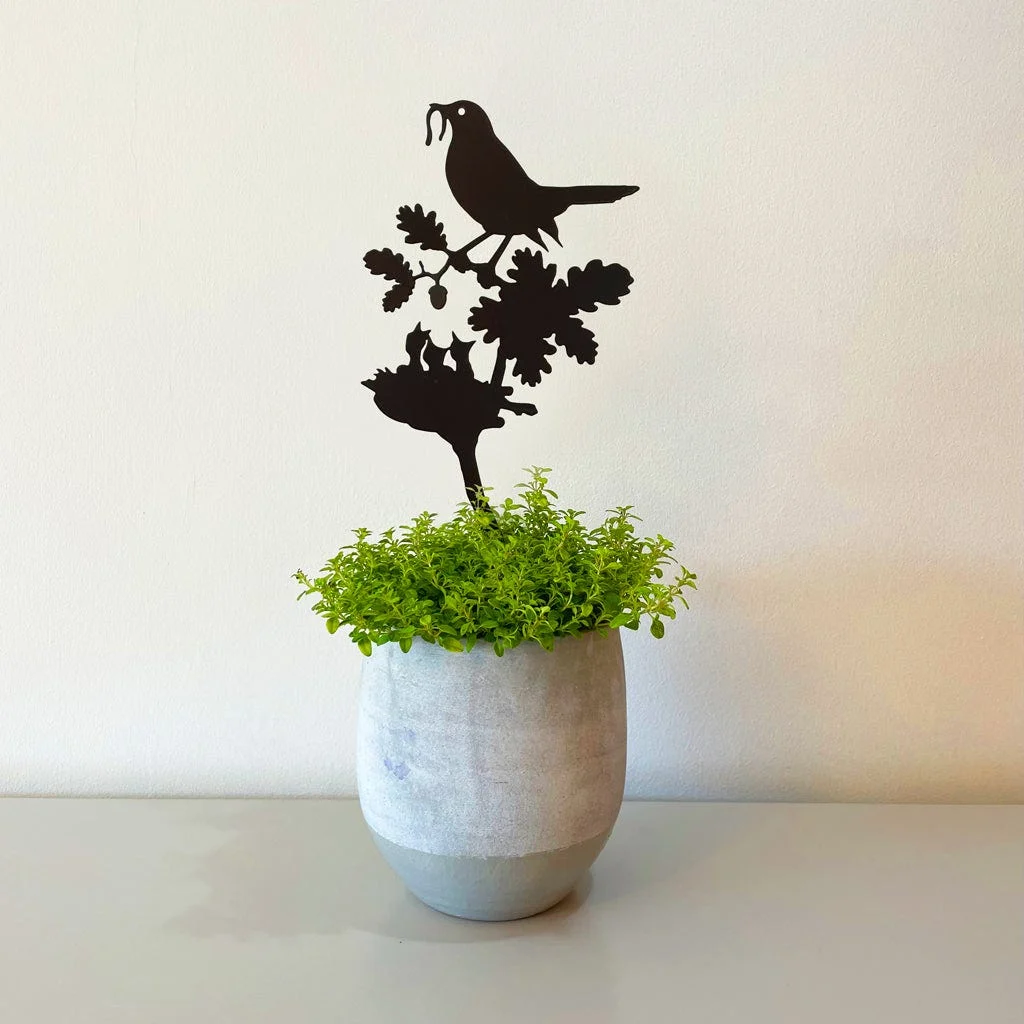
Pot stems showing a blackbird feeding its family.