The Bleach Mistake
Yellowish-brown rings inside a toilet bowl are notoriously stubborn. Scrubbing them repeatedly with standard bathroom bleach is a common reflex, but it often yields zero results.
These marks are actually limescale—hardened mineral deposits left behind when hard water evaporates. Bleach is a powerful disinfectant that kills germs, but it lacks the chemical makeup to break down mineral buildup. In some cases, bleach can even make the staining worse.
Francesca, a household expert and creator of the blog Thoroughly Modern Grandma, advises ditching harsh chemicals entirely. Her go-to solution is natural, cheap, and heavily effective: powdered citric acid.
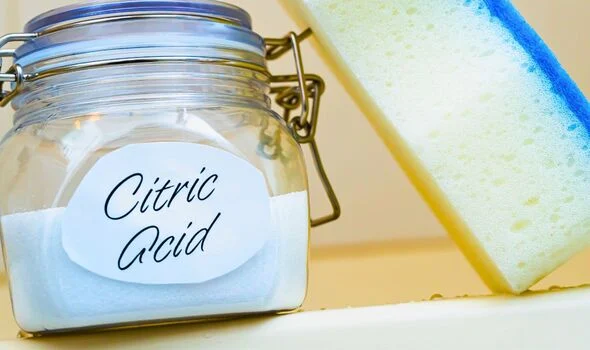
Picture of citric acid in a glass jar
“There’s a really easy solution to tackle the mineral/limescale deposits, just follow my easy cleaning loo routine,” Francesca advised. “Once a week…give your loo a clean with Citric Acid to remove the mineral/limescale deposits.”
The Science of Citric Acid
Limescale consists primarily of calcium carbonate, a dense mineral that clings tightly to porcelain surfaces. Citric acid, naturally found in citrus fruits like lemons, possesses the exact acidity needed to dissolve calcium carbonate on contact.
While fresh lemon juice works in a pinch, it is generally too weak for heavy bathroom buildup. Powdered citric acid delivers a highly concentrated punch.
It acts fast and is highly cost-effective. You can typically find it in the cleaning or baking aisles of most supermarkets for just £2 to £3.
A Simple Overnight Routine
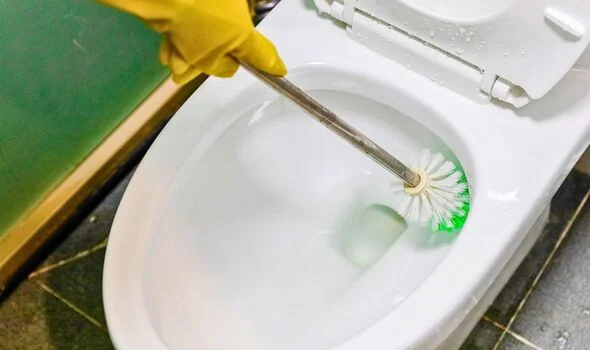
Picture of someone cleaning a toilet
Start by pouring a pitcher of warm water directly into the toilet bowl. Next, add a generous amount of powdered citric acid—roughly 500 grams.
Never use boiling water for this process. Extreme heat can instantly crack toilet porcelain, leading to severe leaks and costly plumbing repairs.
Allow the acidic solution to sit unflushed for at least an hour. For thick, dark limescale rings, it is best to leave the citric acid to work its magic overnight.
Once the wait time is up, gently scrub the bowl with a standard toilet brush. The dissolved limescale will flake away effortlessly. Flush the toilet once to reveal a clean, spotless bowl.