
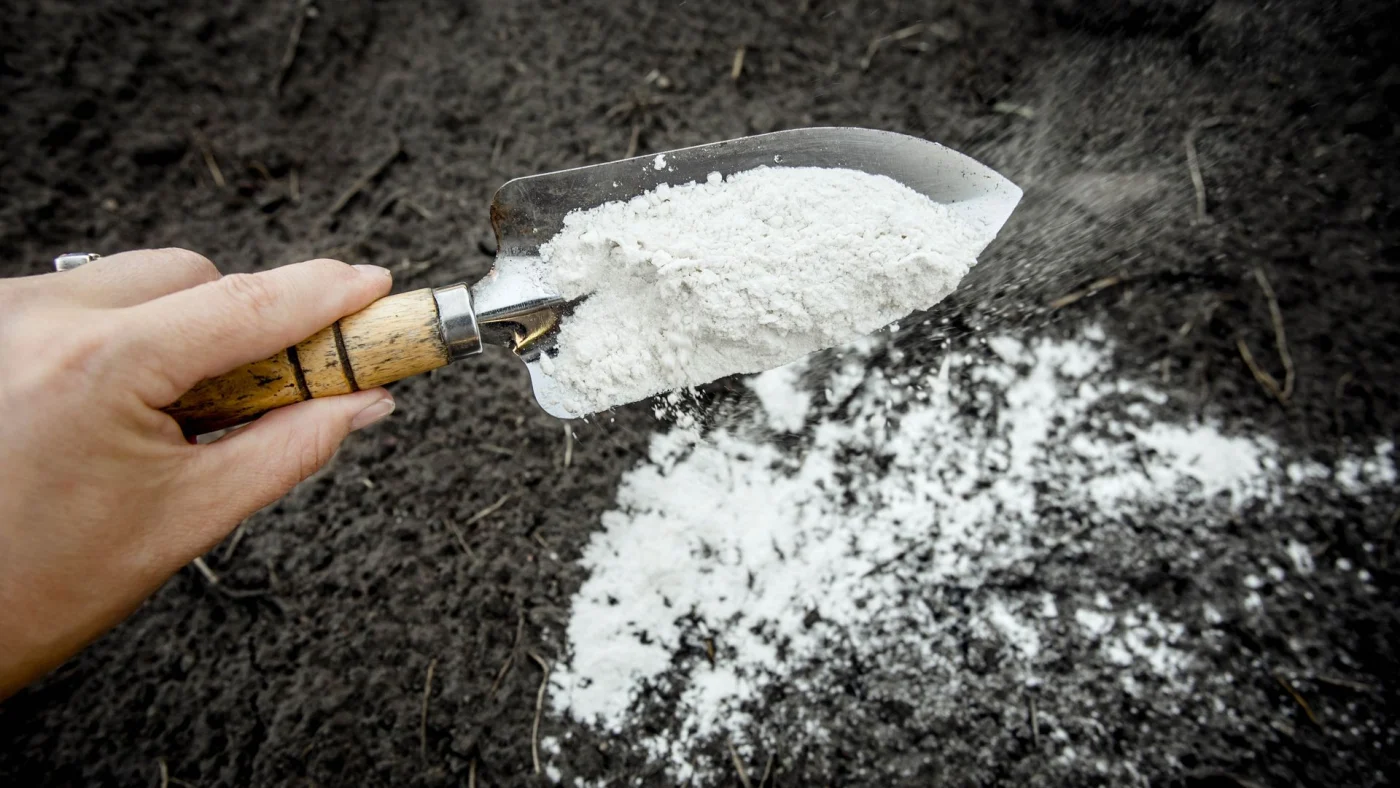
Sprinkling flour to soil
As summer heat sets in, backyard gardens often become feeding grounds for destructive insects.
While many turn to chemical sprays or natural remedies like white vinegar and diatomaceous earth, a surprising household staple is emerging as the go-to solution: regular baking flour.
Gardeners are now deploying this simple pantry ingredient to protect their lawns, flowers, and vegetable beds from seasonal invaders.
How Flour Stops Garden Pests
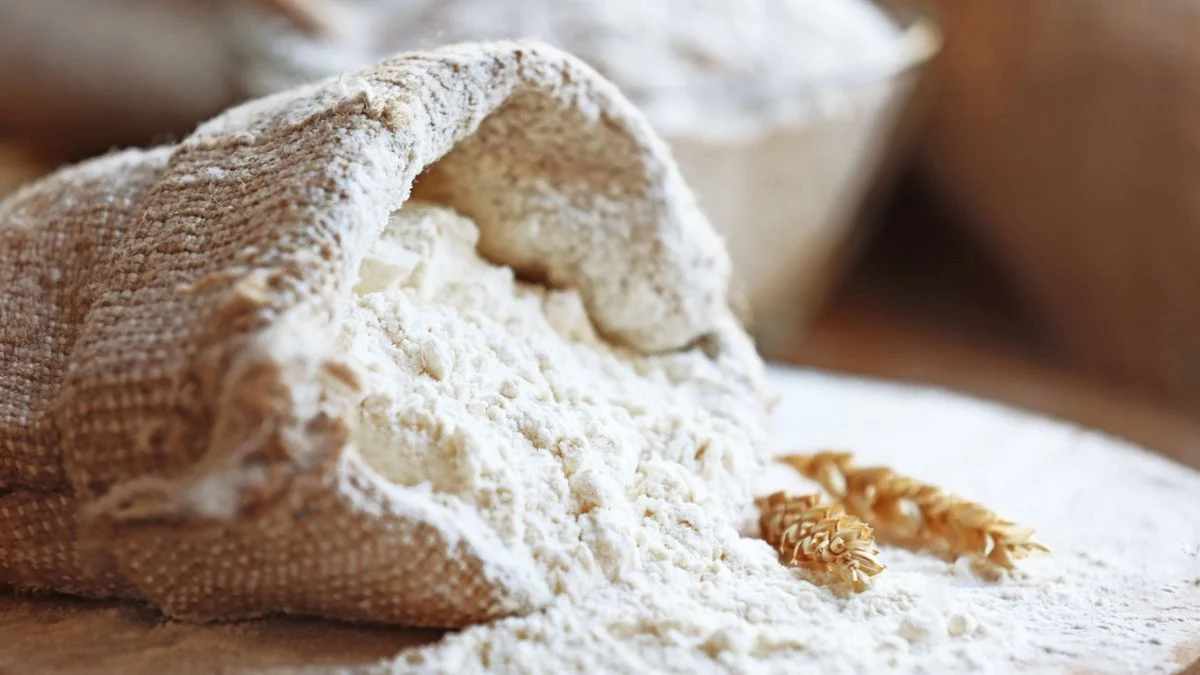
Flour in flour bag cascading onto worktop
Experts say flour serves as an immediate, physical deterrent against aphids, cabbage worms, and beetles.
Unlike chemical deterrents, flour lacks a repellent odor. Instead, it creates a fatal mechanical barrier for soft-bodied insects attempting to feed on plant foliage.
“Flour isn’t a repellent in the way people usually mean that word,” says Mark Abraham of Duguza Pest Control.
When insects like caterpillars or grasshoppers consume dusted leaves, the flour gums up their mouthparts and digestive tracts. It acts fast to shut down their ability to continue feeding.
“On a sunny day, the dried flour can pull moisture out of smaller insects too,” Abraham notes.
Application Methods for Maximum Impact
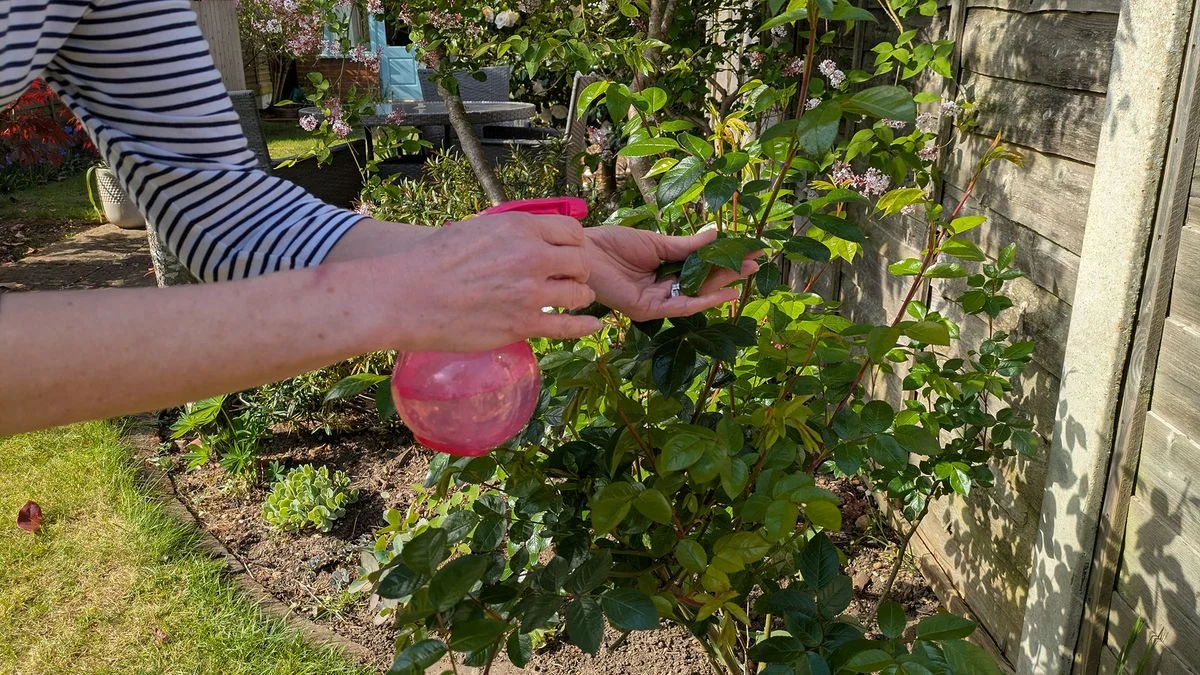
A person spraying aphids on a rose bush
To avoid creating a messy paste that damages your plants, precise application is essential.
Abraham recommends applying a thin, even layer of dry flour directly to the undersides of affected leaves. Applying it in the early morning allows the natural dew to help the powder adhere without turning to glue.
This dust must be reapplied after rain and should be gently washed off within a day or two to prevent leaf damage.
For severe aphid infestations, liquid application is highly effective.
Chrissie Handley, a lawn care specialist at Online Turf, advises mixing two cups of standard white wheat flour with five liters of water in a spray bottle.
“The mixture can then be used to spray the underside of leaves of plants affected by aphids,” Handley explains. “It dries and crusts on the bottom of the leaf, trapping the aphids.”
Flour can also be sprinkled directly across ant trails to disrupt their scent paths. Adding a dash of chili powder to the mix ensures the spice coats their bodies, driving the colony away entirely.
The Rodent Risk
While flour is a highly accessible pest control method, relying on it too heavily brings secondary risks.
Leaving significant amounts of food-grade powder in your yard can inadvertently signal an open buffet to local wildlife.
“Oftentimes the critters get used to it eventually and continue to enter your garden anyway,” says Jason Burkhart, Managing Director at Critter Control.
He warns that excess flour acts as a strong attractant for mice and other rodents, potentially trading a minor insect problem for a much larger mammalian infestation.