
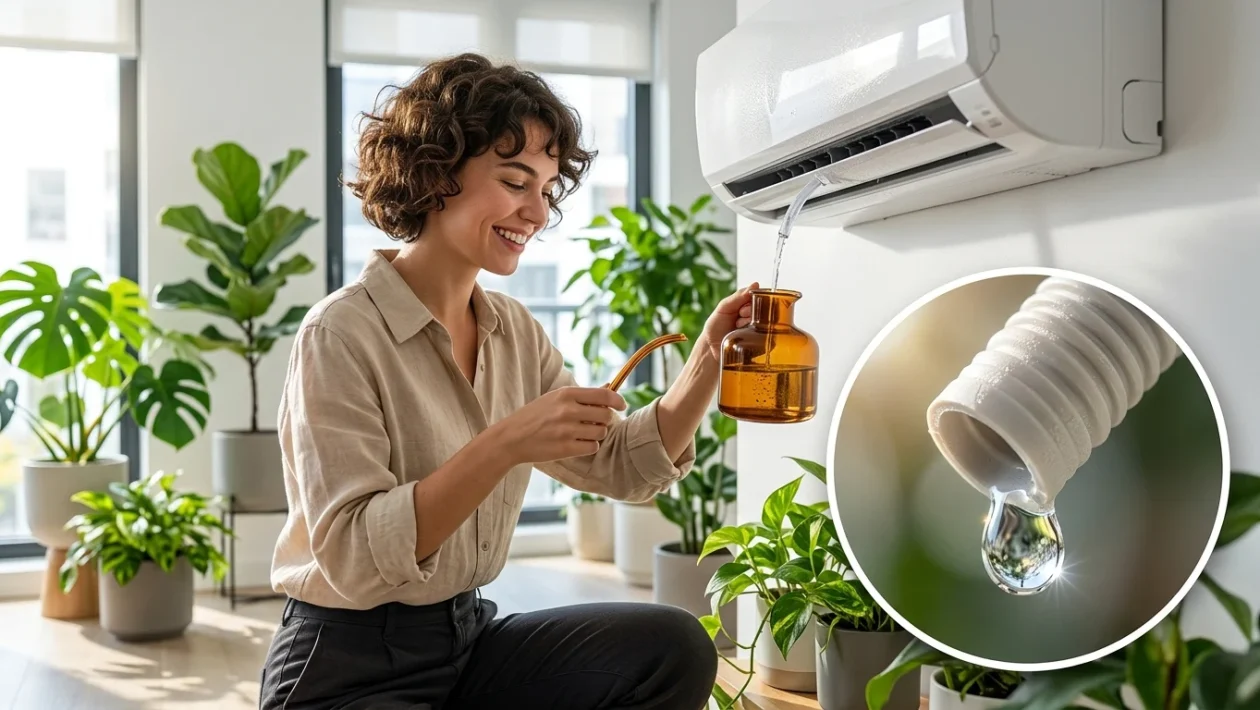
When summer temperatures peak, air conditioners work overtime to keep homes cool. During this process, a steady stream of water drips from the unit’s drain pipe into gutters or yards.
Instead of letting this water go to waste, homeowners can easily capture it. It is a highly practical byproduct that can cut down on daily household water consumption.
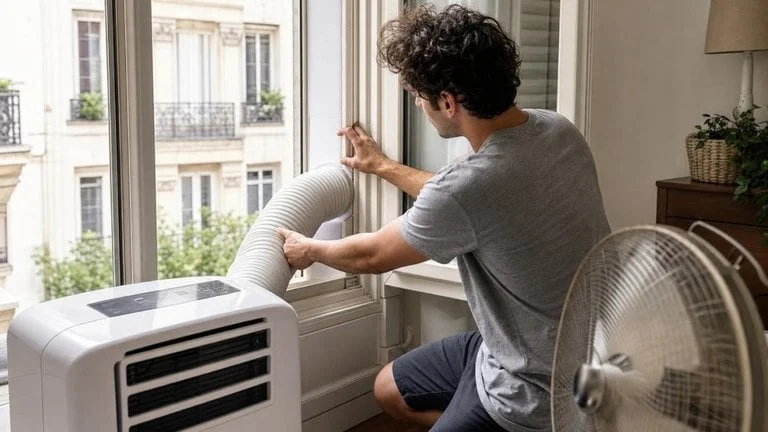
Close view of a modern air conditioning unit installed on a wall.
Distilled but Strictly Non-Potable
Air conditioners pull humidity directly from indoor air. As the machine cools the room, that airborne moisture condenses into liquid and flows out through the drain hose.
According to HVAC manufacturer Mitsubishi Electric, this runoff is essentially distilled water. It is completely free of chlorine and calcium, possessing an incredibly low mineral content.
Despite this chemical purity, you must never drink it or use it for cooking. As condensation forms inside the machine, it mixes with dust, dust mites, and microorganisms lingering on the internal components.
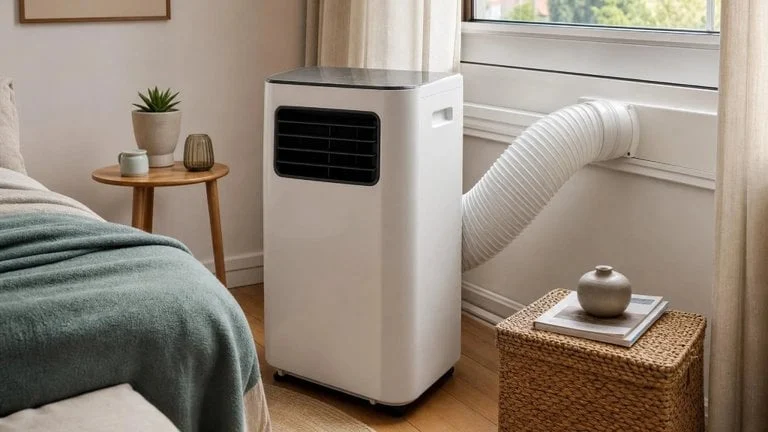
Water pouring from a small watering can into a potted houseplant.
A Smart Alternative for Houseplants
Using AC condensation to water plants is highly effective. Because it lacks calcium, this water is ideal for plant varieties that thrive in acidic soil or require low-mineral environments.
However, gardeners need to be cautious. Since the water is almost entirely demineralized, it lacks the vital nutrients usually found in standard tap or rainwater.
Using it exclusively will eventually starve the soil. Experts recommend alternating AC water with regular tap water, or supplementing the soil with organic compost and fertilizer to maintain nutrient levels.
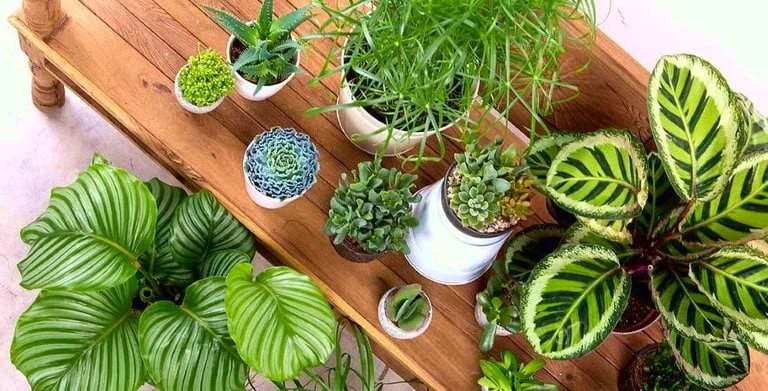
Person wiping a glass window pane with a cleaning cloth.
The Secret to Streak-Free Cleaning
The true utility of AC water lies in routine household chores. Its lack of calcium makes it a premium, cost-free cleaning agent for the home.
Homeowners can use it to wash windows, mop floors, or wipe down mirrors. Because it contains no hard minerals, it dries completely clear.
This simple switch completely prevents the chalky white streaks and hard water spots left behind by standard tap water. Capturing this runoff requires zero financial investment while putting a wasted resource to immediate use.




