
Suffolk homeowners take pride in their outdoor spaces, but a growing number of aggressive, non-native plant species are threatening local gardens and waterways. Identifying these invasive weeds early is critical to stopping their spread.
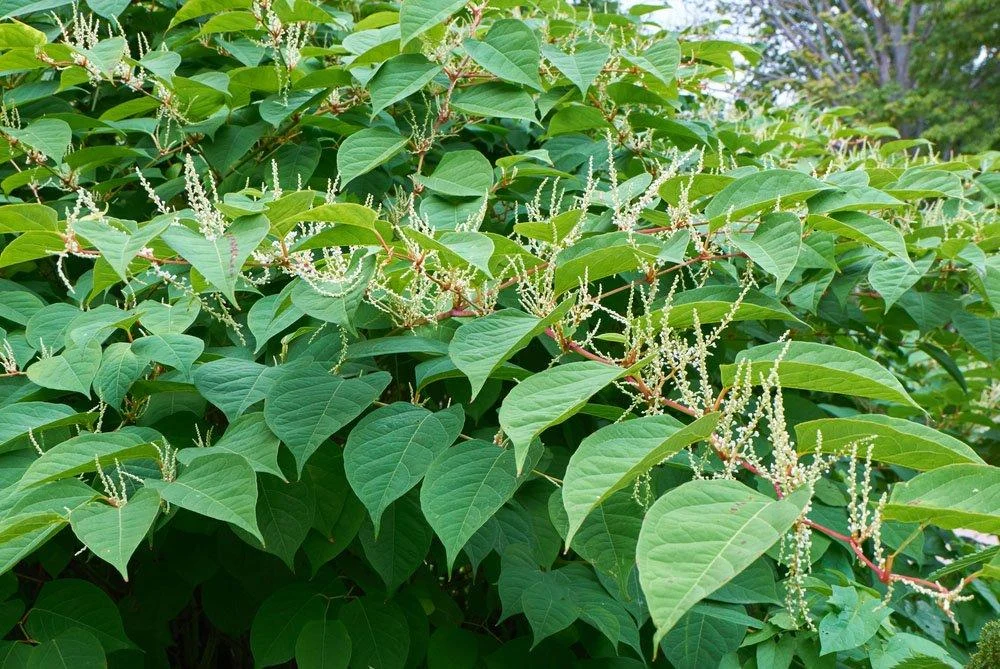
Lush green leaves of invasive Japanese knotweed spreading rapidly across an outdoor space
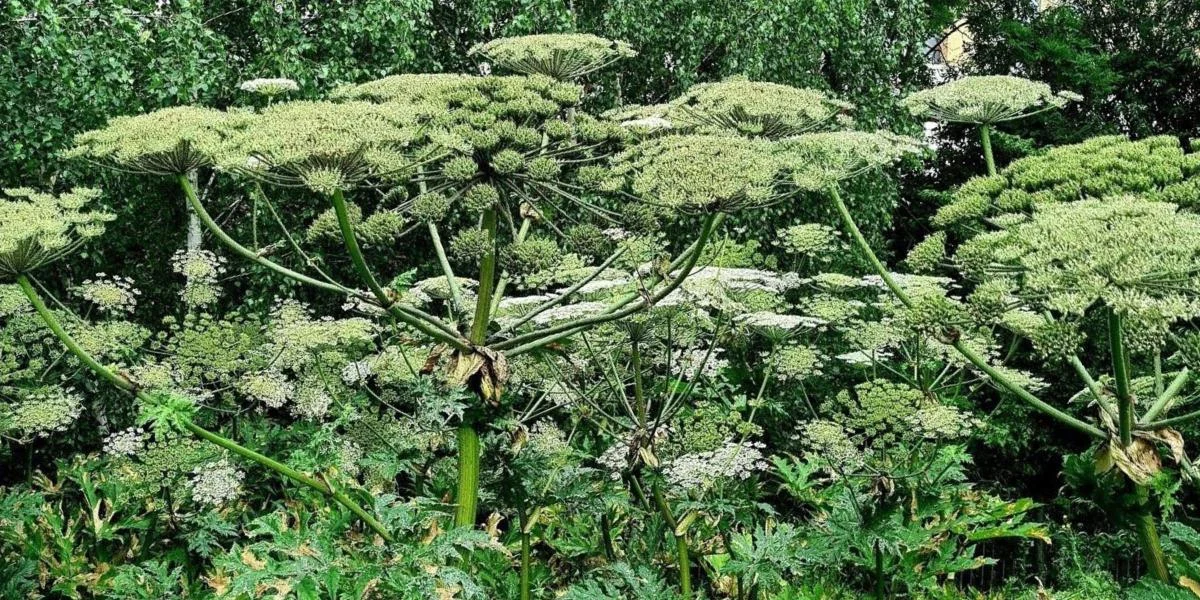
Towering stems and white flower clusters characteristic of giant hogweed
Here are seven invasive culprits currently creeping across the county, and why you need to tackle them before they take over your property.
Japanese Knotweed
Japanese knotweed remains one of the most notorious invasive plants in the UK. Suffolk is currently fighting multiple hotspots, with over 100 sightings reported around Ipswich this spring alone.
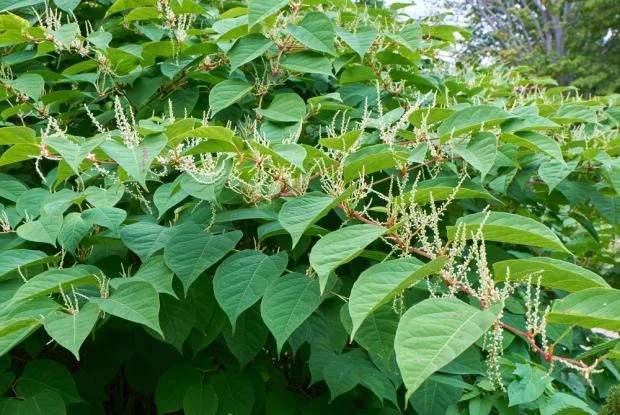
A dense cluster of Japanese knotweed taking over a garden border
If left unmanaged, its aggressive root system can punch through hard landscaping, overwhelm garden borders, and severely diminish property values.
Giant Hogweed
Giant hogweed is officially identified as an injurious and invasive weed in Suffolk. Control efforts are ongoing along rivers in the Stour catchment, and removal services are actively operating in towns like Newmarket.
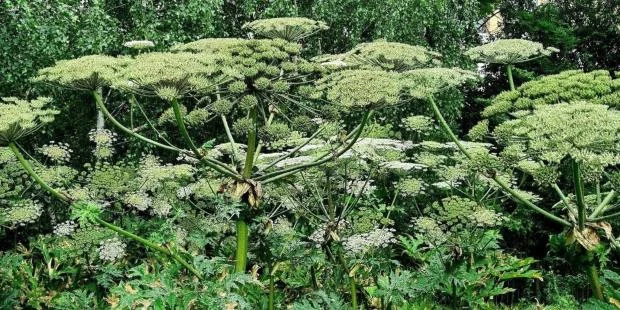
Close-up of dangerous giant hogweed plants growing wild
This plant poses a serious health hazard to anyone walking near paths, verges, or gardens. Its toxic sap causes severe skin burns and leaves victims with long-term sensitivity to sunlight.
Himalayan Balsam
Himalayan balsam has established itself as one of the most widespread non-native plants in the Stour Valley. To combat the spread, local volunteers regularly organize “balsam bashes” to rip the weeds from Suffolk riverbanks.
The plant utilizes explosive seed pods to reproduce. This mechanism allows it to rapidly jump from watersides into damp garden corners, where it quickly smothers native vegetation.
New Zealand Pygmyweed
Scientifically known as Crassula helmsii, New Zealand pygmyweed is a major threat to ponds and wetland areas. Environmental groups list it as a primary threat in the River Stour catchment stretching across Essex and Suffolk.
The plant forms thick, suffocating mats in the water. These dense layers quickly choke wildlife ponds and drainage ditches, outcompeting native aquatic plants for space and nutrients.
Water Fern
Water fern, or Azolla filiculoides, is another non-native species prioritized for removal in the Stour Valley, frequently appearing at sites along the Suffolk border.
When ignored, this invasive fern acts like a blanket over the water. It completely carpets the surface of slow-moving ponds, blocking out the essential light and oxygen that fish and aquatic wildlife need to survive.
Floating Pennywort
Floating pennywort causes severe infrastructure and environmental problems in slow-moving rivers and drainage channels throughout the Stour catchment area.
The weed features long, trailing stems that weave together to form impenetrable rafts. These rafts easily block public waterways and can quickly colonize residential garden ponds connected to local streams or culverts.
Broad-Leaf Dock and Ragwort
While homeowners often dismiss them as standard lawn pests, broad-leaf dock and common ragwort are officially classed as injurious species under the Weeds Act. Suffolk Highways strictly flags both plants for control on public land.
These weeds easily jump from roadside verges into private gardens and paddocks. Ragwort requires immediate attention in agricultural areas, as it poses a severe, toxic risk to grazing animals.