
Warm weather means more time relaxing outside. But what happens when a neighbor’s overgrown tree or towering hedge plunges your yard into permanent shade?
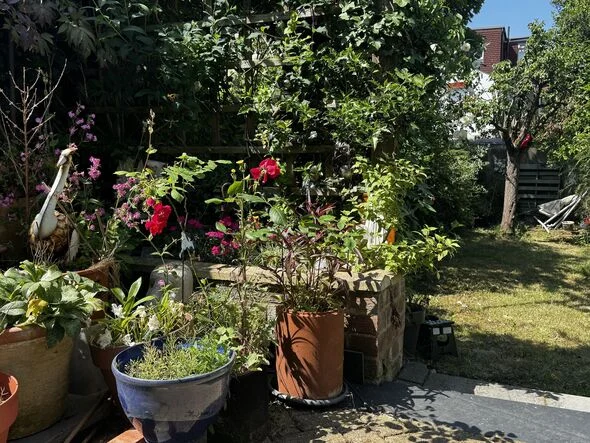
Potted plants and garden ornaments decorate a sunlit residential backyard.
It is a common property dispute, but homeowners often misunderstand the legal remedies available to them.
The “Right to Light” Reality
According to Spire Solicitors, a law firm based in East Anglia, the legal options for reclaiming your yard’s sunlight are surprisingly limited. Under current UK law, there is no general “right to light” for a garden.
This means you have no automatic legal authority to demand a neighbor trim or remove a tree simply because it casts a shadow over your outdoor space.
When the Law is on Your Side
While yards are unprotected, the inside of your home is a different story. The Prescription Act 1832 grants property owners a specific right to light for interior windows and rooms.
If natural light has continuously entered a specific window for 20 years or more, you can take legal action if a new obstruction significantly interferes with the room’s normal use.
Proving this, however, generally requires a professional assessment and legal counsel. High hedges also have specific rules. You can file a formal complaint if your light is blocked by a boundary hedge made of two or more evergreen or semi-evergreen trees or shrubs.
Handling Overhanging Branches
If a tree physically crosses your property boundary, the law shifts in your favor. You possess the legal right to trim any branches that encroach onto your land.
Before cutting anything, verify your exact property lines to avoid accidental trespassing or property damage disputes. Legal experts universally recommend having a calm, respectful conversation with the offending neighbor before grabbing a saw.
Insurance and Etiquette
Ian Wilson, Managing Director and home insurance expert at Tiger.co.uk, notes that addressing boundary issues can feel tense but remains crucial for dispute-free resolutions.
“If a neighbouring tree is overhanging onto your property, you do have the right to prune it, and it’s often recommended to do so, particularly if there is a risk to your home,” Wilson said.
He also warned about the financial realities if you simply ignore overgrown branches. “If damage does occur, you will generally need to claim through your own home insurance policy, meaning you’ll be responsible for paying the excess.”