
Finding a tick anchored to your skin or your pet’s fur is an immediate health risk. These blood-feeding parasites vector a massive array of severe diseases.
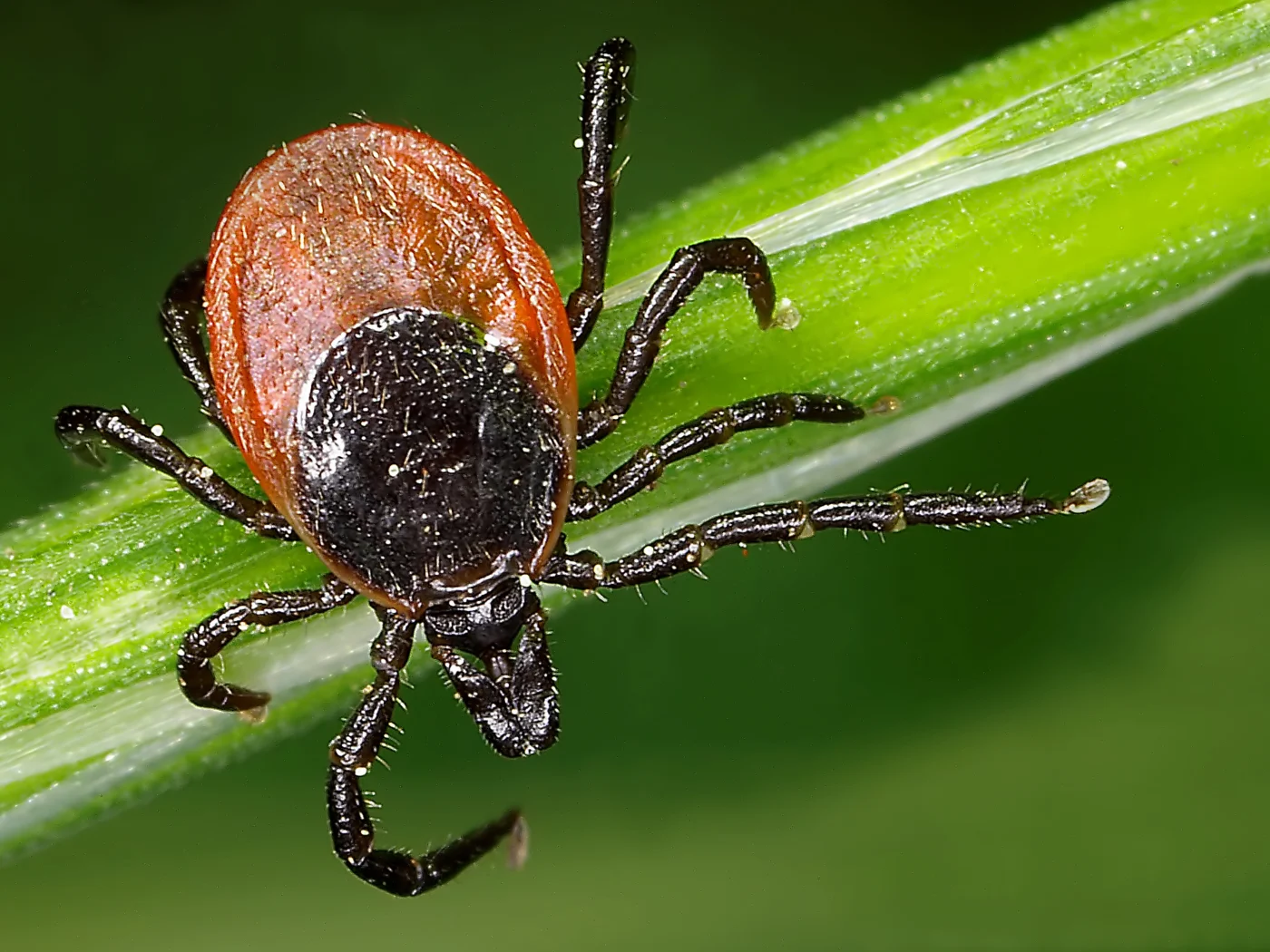
A tick clinging to the edge of a green leaf.
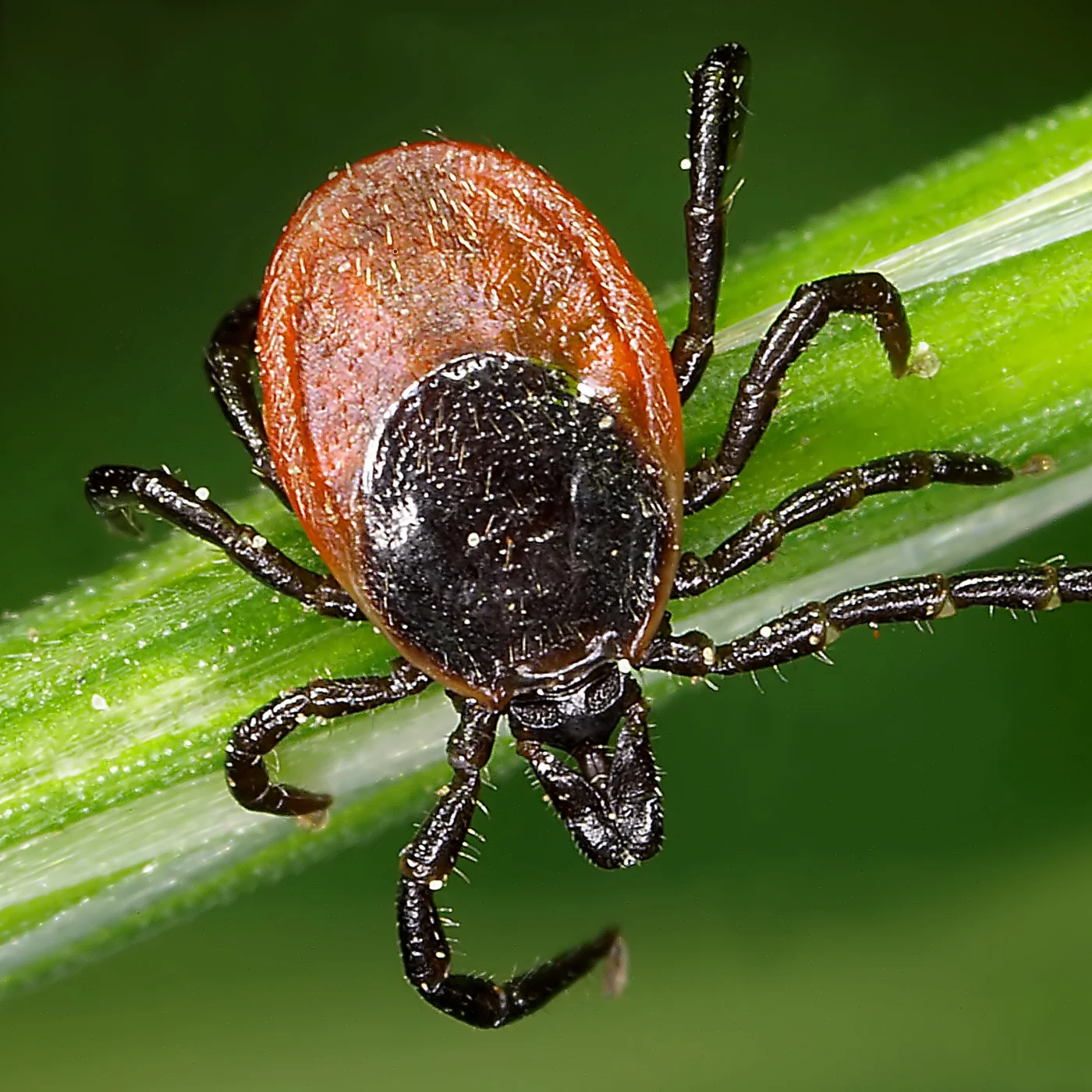
A close-up macro view of a tick waiting on vegetation.
“Most people have heard of Lyme disease, but different species of ticks can transmit many other serious diseases,” says Eric Benson, PhD, professor emeritus and extension entomologist at Clemson University.
Beyond Lyme, ticks carry Rocky Mountain spotted fever, anaplasmosis, ehrlichiosis, babesiosis, and the Powassan virus. Powassan is particularly dangerous, capable of causing severe neurologic complications or death.
The primary defense is blocking them from your property. “The goal is to prevent tick bites,” says Alvaro Toledo, PhD, associate professor of entomology at Rutgers University.
The Science of the Hunt
Ticks are closely related to spiders. They do not jump, and they do not fly. They also don’t drop out of trees to ambush you.
Instead, they perform a maneuver called “questing.” They scale low-lying shrubs and blades of grass, typically staying below knee-height. They extend their front legs and wait to latch onto a passing host.
Ticks detect approaching meals through body heat, odors, vibrations, and shadows. Once aboard, they wander across the skin to find a prime feeding spot.
Your yard gets infested via local wildlife. Mice, deer, chipmunks, opossums, foxes, rabbits, and raccoons all ferry ticks into suburban and urban areas. The parasites drop off these animals, creating concentrated hotspots where wildlife rests or where female ticks lay eggs.
The Three Main Yard Threats
Not every tick targets humans, but three specific species are notorious backyard invaders.
The blacklegged tick, or deer tick, is the sole carrier of Lyme disease. It also vectors anaplasmosis, babesiosis, and Powassan. Powassan lives in the tick’s salivary glands and transmits within 10 to 15 minutes of attachment, unlike other diseases that require 24 hours.
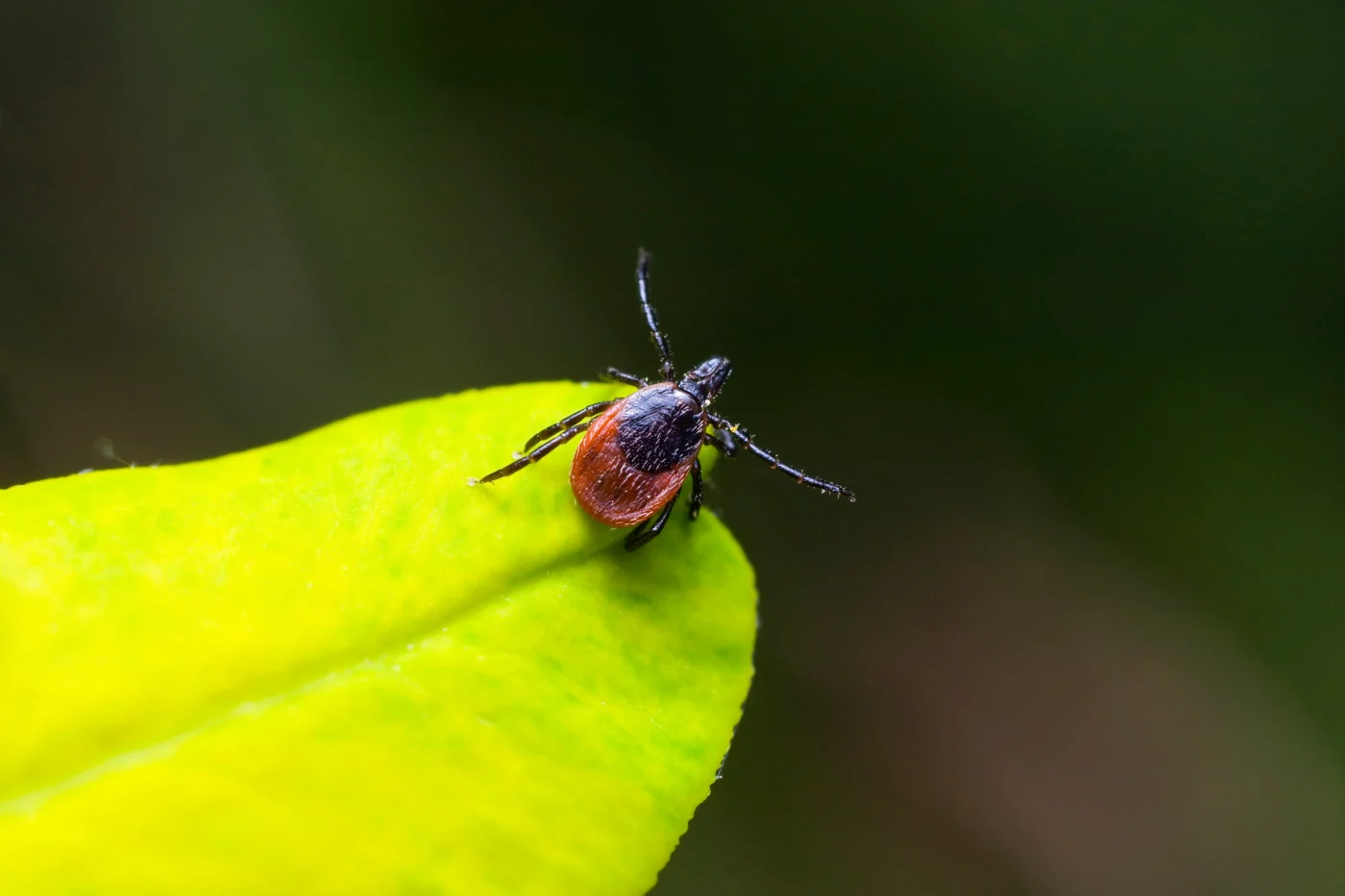
A person checking their dog’s fur for ticks outdoors.
The lone star tick actively hunts down hosts rather than just waiting for them. It transmits ehrlichiosis and triggers alpha-gal syndrome, a severe allergy to mammal meat, dairy products, and gelatins.
Because the lone star tick tolerates desiccation (drying out) better than other species, its geographic range is rapidly expanding. Finally, the American dog tick aggressively targets both humans and pets, transmitting potentially fatal Rocky Mountain spotted fever.
Fortifying Your Property
Eradicating every tick is impossible, but strategic landscaping drastically reduces their numbers. Ticks require moisture and shade to survive.
Keep your grass short and eliminate dense ground covers like pachysandra and English ivy. These thick plants create perfect microclimates for both ticks and mosquitoes, according to Benson.
Remove brush piles and stacked firewood, especially near your foundation. These structures shelter rodents, which are the primary vehicle for tick transportation.
Cut off their food supply. Relocate bird feeders away from your house to keep seed-eating rodents at a distance. Never leave pet food bowls outside, as they attract wandering mammals.
Plant deer-resistant landscaping to discourage them from grazing on your property. Shift playgrounds and picnic tables away from forest edges, and trim overhanging branches to expose these high-traffic areas to direct sunlight.
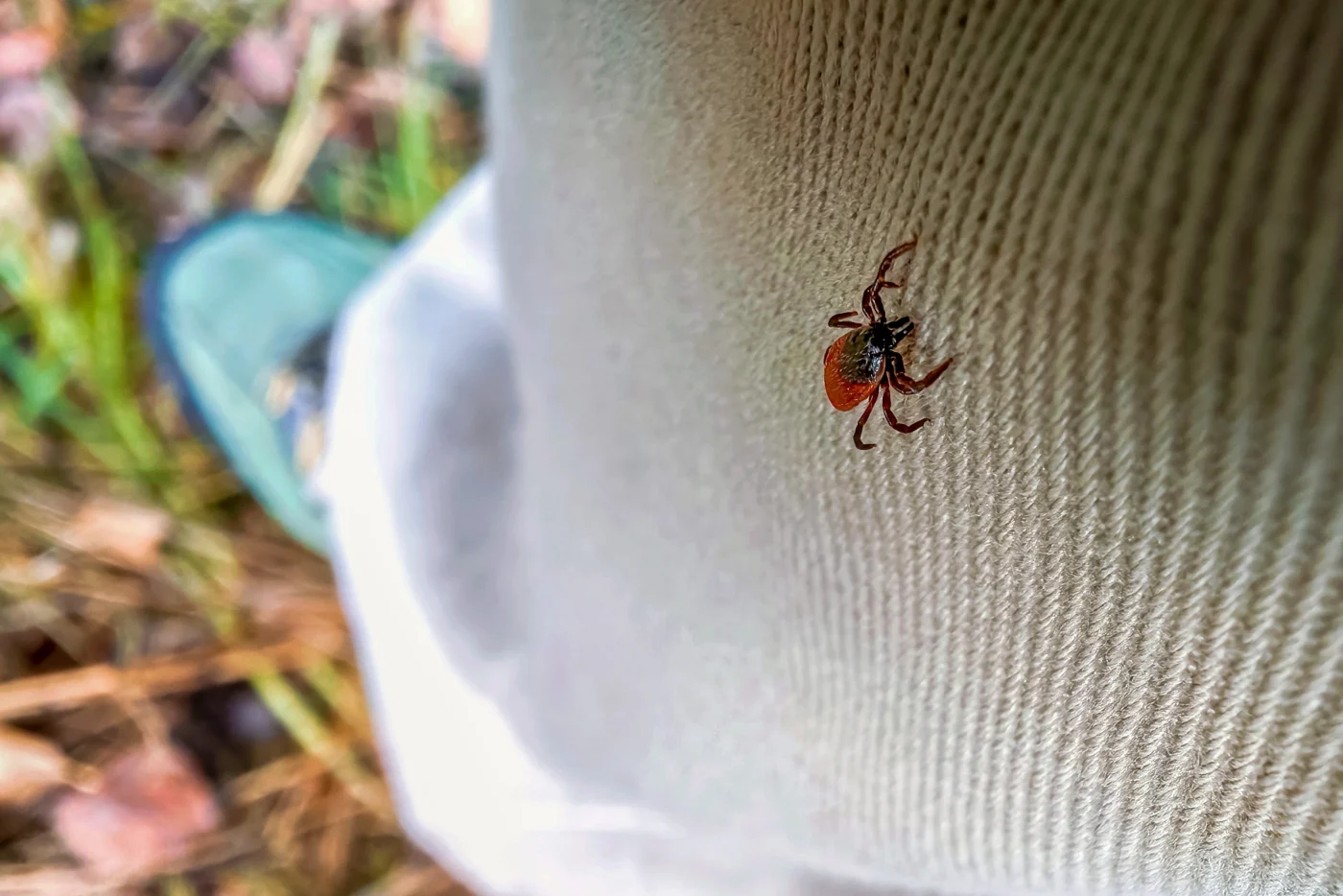
A homeowner pushing a lawnmower through a grassy backyard.
If populations remain high, hire a licensed pest control professional for targeted spraying. Never blanket-spray your entire lawn, as this kills essential pollinators. Professionals treat only specific perimeters where wildlife travels.
Personal Defense Tactics
Yard maintenance must be paired with personal protection. Ticks survive cold climates and can be active year-round. Consult your veterinarian for a continuous tick-prevention plan for all pets.
Apply an EPA-approved repellent before doing yard work or hiking. For heavy brush, treat your clothing, boots, hats, and camping gear with permethrin. Permethrin repels ticks through several washings, but it must never be applied directly to bare skin.
Always conduct a thorough tick check upon coming indoors. Run your hands over your pets, paying close attention to their collars, ears, rear, tail, and belly.
Jump in the shower immediately after coming inside. Ticks often wander for a while before latching on, and the running water can wash them away before they embed.
If you find an embedded tick, use fine-tipped tweezers to grasp it as close to the skin as possible. Pull straight up with steady vertical pressure. Never twist or pull sideways, which can snap the head off and cause a localized infection. Wash the bite site with soap and water, and contact a doctor if you have concerns.