

Fresh garlic bulbs resting on a wooden surface.
Before resorting to harsh chemicals, check your pantry. A standard kitchen staple could be the key to keeping rodents at bay and protecting your property.
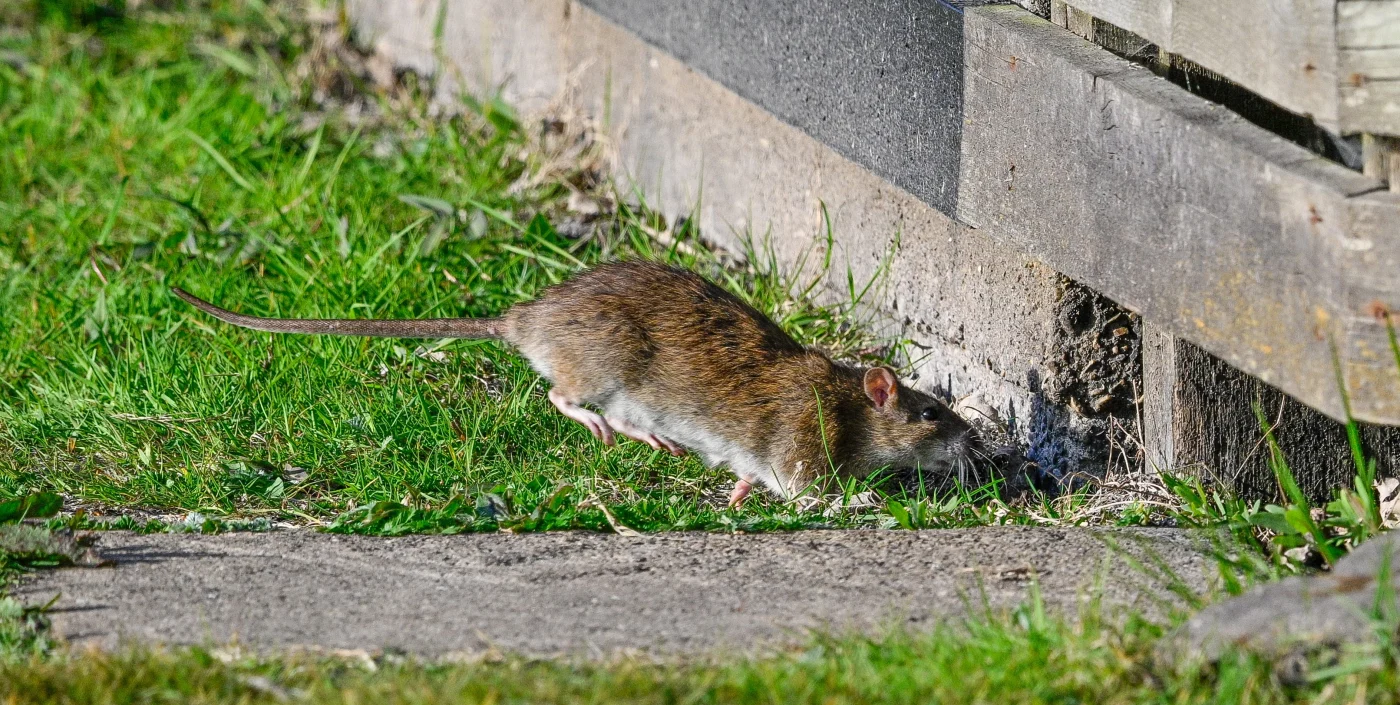
A brown rat standing alert in an outdoor setting.
The Power of Garlic
Garlic is celebrated for its culinary uses, but its strong odor makes it a potent natural rodent repellent. The secret lies in allicin, a compound responsible for the bulb’s sharp, pungent scent.
“Rodents rely heavily on their sense of smell to detect food and danger,” says Daniel Steward, managing director at Shield Pest Control. “An overpowering scent like garlic signals that an area is unsafe and discourages them.”
However, garlic is most effective as part of a comprehensive pest control strategy. To truly keep rats away, you must combine scent deterrents with rigorous yard maintenance.
Spotting the Warning Signs
Before deploying scent barriers, confirm that rats are actually visiting your property. Pest experts recommend looking for five specific indicators.
First, check for droppings. Small, dark pellets around sheds, bird feeders, or trash bins are a clear giveaway. Fresh droppings appear dark and shiny, while older ones dry out and turn lighter in color.

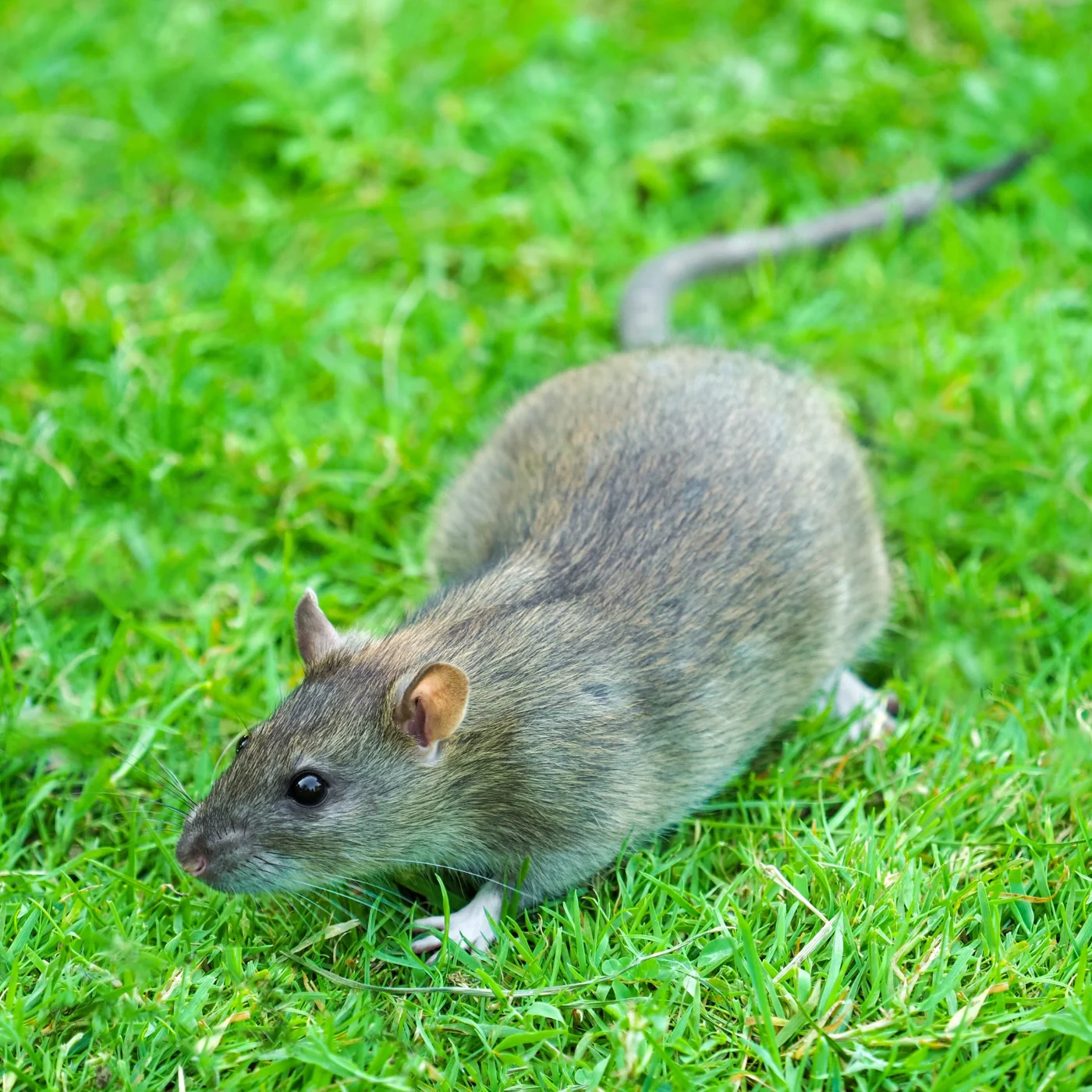
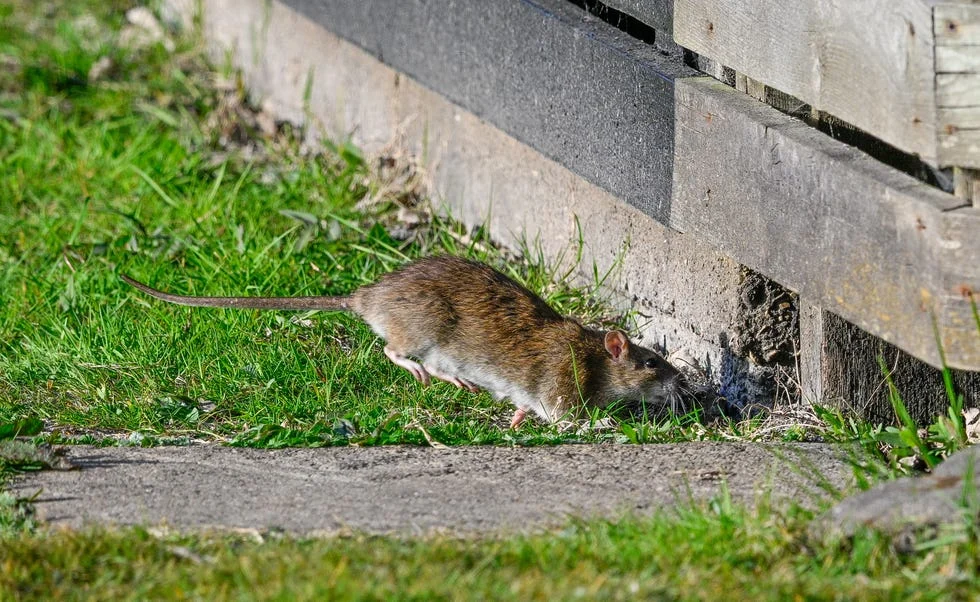
A rat exploring near wooden garden planters.
Next, inspect your yard for gnaw marks. Rats must chew continuously to file down their teeth. Look for fresh damage on wooden fences, sheds, patio furniture, and plant pots.
Burrows and worn paths are another red flag. Rats frequently dig tunnels beneath decking, dense shrubbery, or sheds. They also carve visible, well-worn trails through tall grass.
Keep an eye out for nesting materials. Piles of shredded paper, dried leaves, or clipped grass tucked into sheltered corners strongly suggest a nearby nest.
Finally, monitor your plants. If stems, roots, or garden vegetables are mysteriously chewed, rats may be using your garden as a primary food source.
Deploying Garlic in the Yard
If you spot signs of rodent activity, target their likely pathways. Sprinkle raw garlic powder along fence lines, around trash bins, and near the foundation of outbuildings.
Whole garlic bulbs and loose cloves scattered on a table.
“Plant garlic around the edges of the garden, near doors and borders,” Steward advises. “It helps create a scent barrier that discourages rats from coming near in the first place.”
Remember that outdoor elements will dilute the scent. You must reapply garlic powder regularly, especially after heavy rain.
Alternative Natural Deterrents
If you dislike the smell of garlic, several other potent scents can disrupt a rat’s foraging habits.
Peppermint oil is highly effective. Soak cotton balls in the oil and place them near suspected activity zones, or mix a few drops with water in a spray bottle for wider coverage.
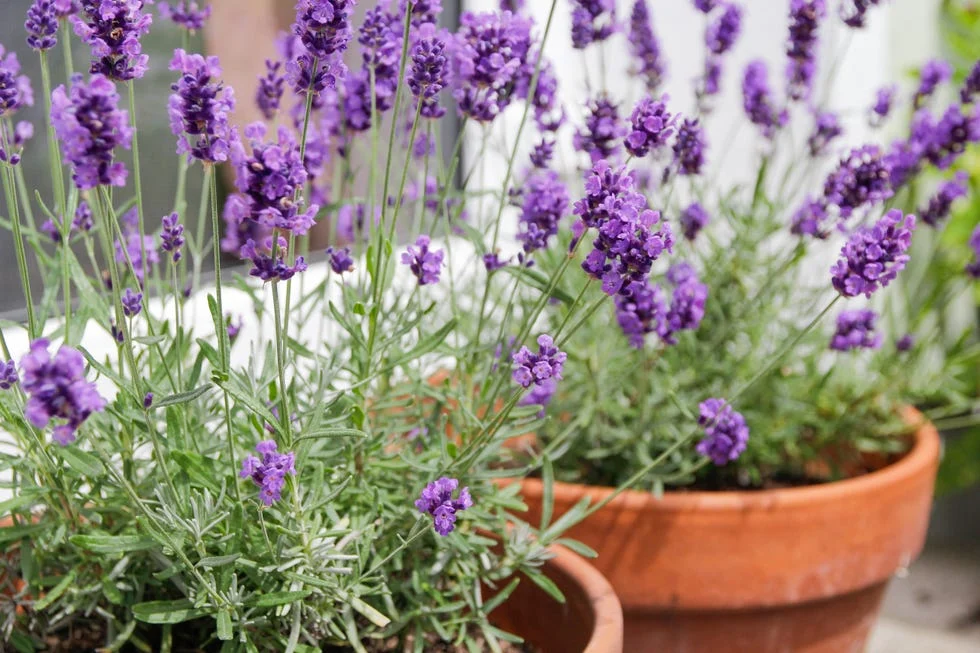
Lavender also acts as a natural barrier. Plant it heavily along garden borders or apply a lavender-infused spray to outdoor structures.
A clear spray bottle used for dispensing natural scent deterrents.
Ground cinnamon works similarly. Scatter it liberally around decks, bins, and outbuildings where rats typically travel.
For a cheap and immediate solution, mix equal parts white vinegar and water. Spraying this acidic solution around problem areas creates a harsh scent wall that rodents actively avoid.
Finally, integrate aromatic herbs like mint and rosemary into your landscaping. Planting these near entryways naturally lowers the yard’s appeal to pests.
Cutting Off the Source
No scent barrier will work if your yard offers free food and shelter. Remove the essentials, and rats will move elsewhere.
Swap standard bird feeders for models with catch trays to stop seeds from littering the ground. Secure all trash and compost bins with tight-fitting lids, and never leave pet food outside.
Rats can squeeze through surprisingly tight spaces. Seal any visible gaps around your home’s foundation, basement doors, and garden sheds.
Maintain a tidy landscape. Keep the lawn mowed, trim overgrown hedges, and clear away debris piles that offer easy hiding spots.
When to Hire Professionals
Natural deterrents excel at prevention, but they rarely solve an established infestation. Rats breed at an alarming rate, bringing property damage and health risks.
If you continue seeing live rats or fresh droppings despite your best efforts, it is time to escalate. Steward advises homeowners to contact a professional pest control service immediately to evaluate the property and deploy commercial-grade solutions.

