
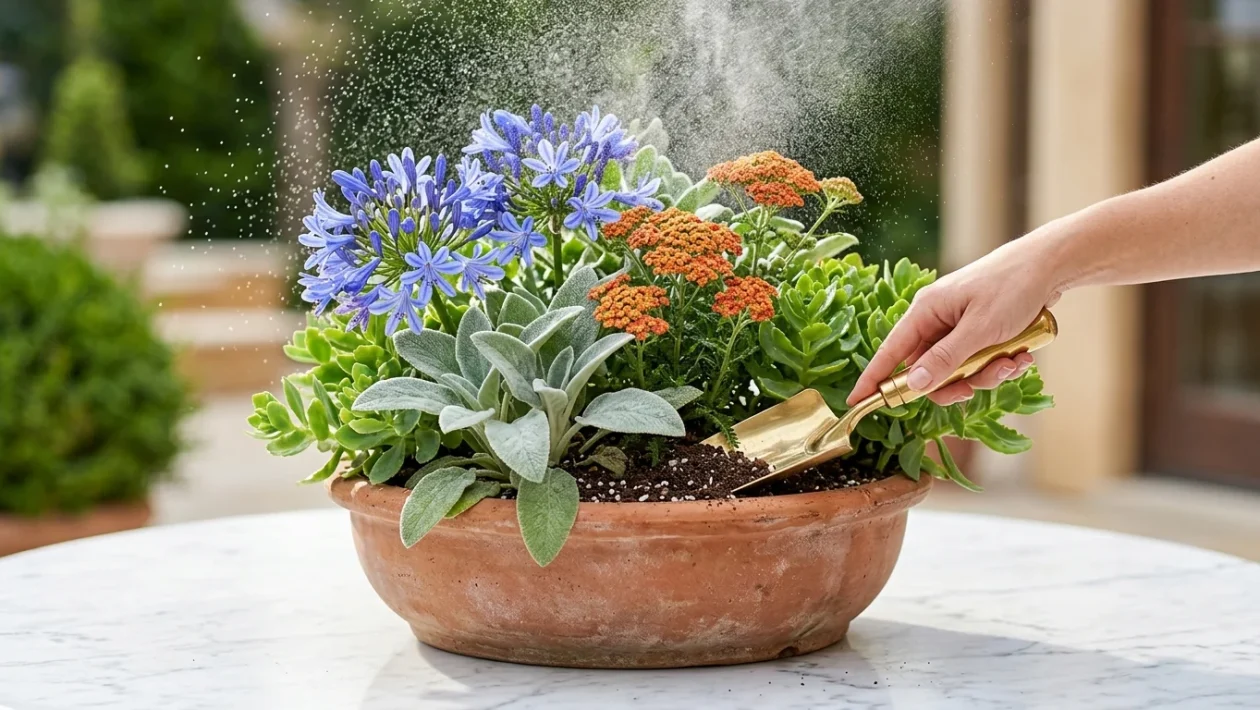
A vibrant, drought-resistant garden flourishing in the summer sun.
As summer temperatures peak, gardeners face a familiar dilemma. Leaving home for a vacation often means abandoning beloved plants to scorching heat and dry spells.
Fortunately, adapting to a warming climate means choosing the right species. According to horticulture experts, a variety of resilient plants can thrive perfectly in arid conditions.
Julian Palphramand, head of plants at British Garden Centres, recommends leaning into species built for the heat.
“Anything Mediterranean, from lavender to lamb’s ear (Stachys byzantine) through to cistus should be fine,” Palphramand says. “Herbs such as rosemary and anything with slightly furry grey leaves tend to tolerate heat and drought quite well. Succulent types like sempervivums, echeverias, aloes or aeoniums are pretty resilient.”
For gardeners looking to stress less during the summer holidays, Palphramand outlines his top five drought-resistant plants.
1. Agapanthus
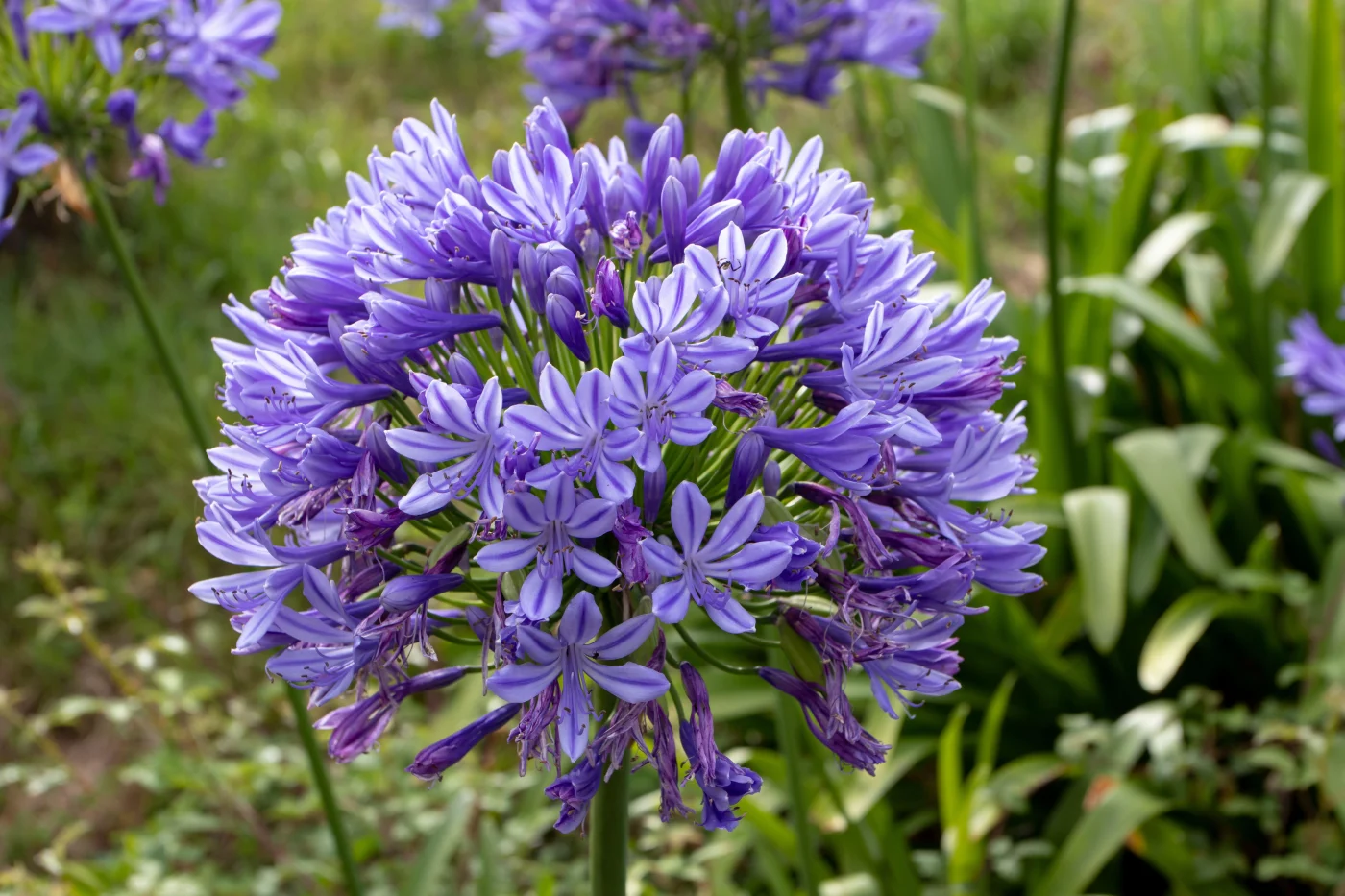
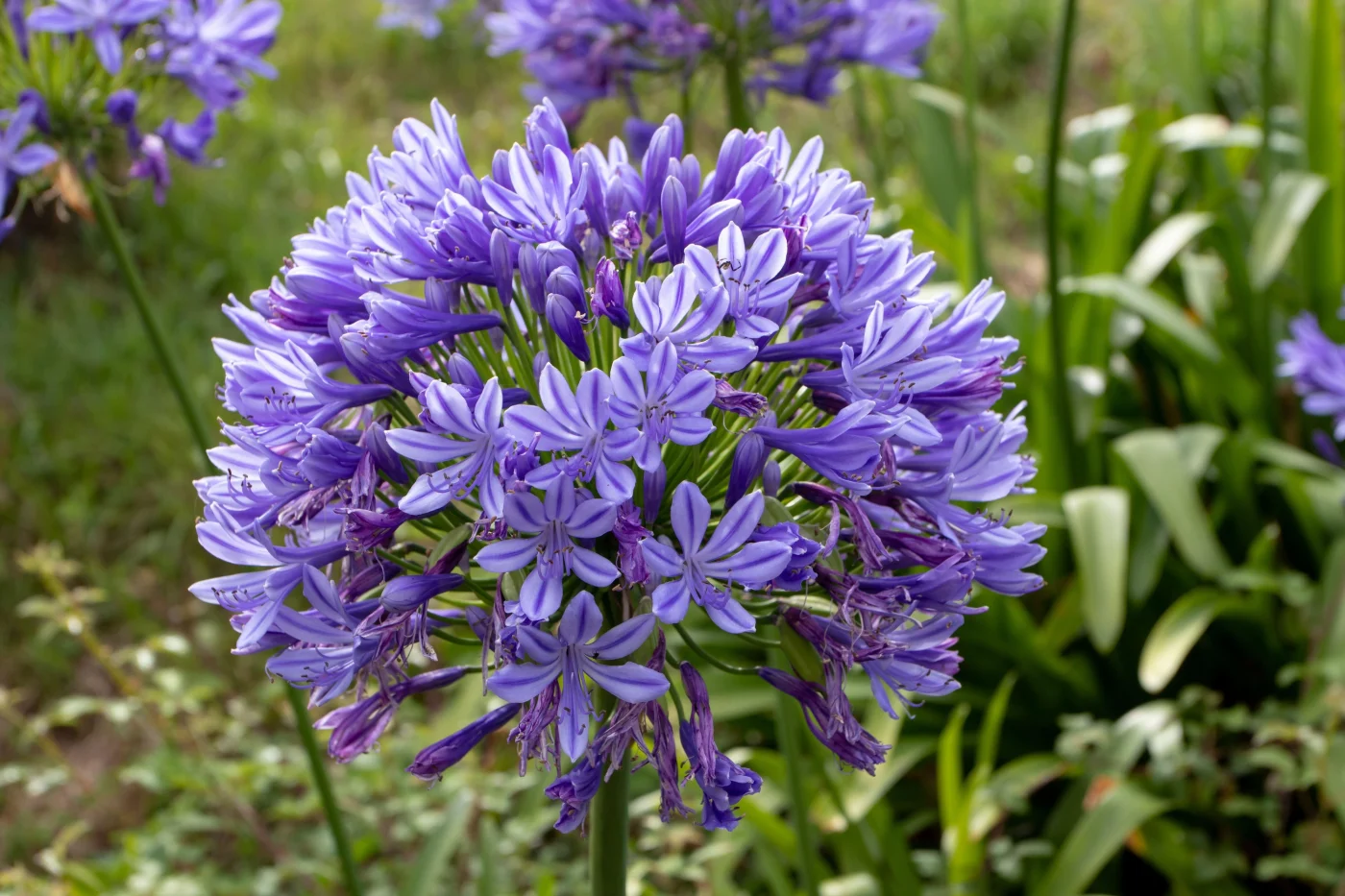
Bright blue drumstick-headed flowers of the African lily.
Also known as the African lily, this South African perennial produces large blue drumstick-headed flowers throughout the summer. White and pink varieties are also available for different garden aesthetics.
“It has relatively fleshy leaves, loves heat and doesn’t like cold or wet, so the hotter the better,” Palphramand explains. “The less moisture that’s in and around the top of the roots for any long periods is a good thing.”
Because agapanthus prefer restricted roots, they are ideal for container gardening. Placing them on a hot, sunny patio ensures long-lasting blooms.
2. Achillea (Yarrow)
Achillea is a classic perennial that craves full sun and well-drained soil. It demands very little water and continuously produces flowers through the hottest months.
“If you cut it back after flowering – do the Chelsea chop – you’ll probably get two, if not three, flowering repeats,” Palphramand says.
While wild yarrow typically features flat heads of white, cream, or pink, modern breeding has introduced rich terracotta oranges and golds. Gardeners can opt for compact pot varieties like the Milly Rock series, or taller, traditional border plants like Achillea millefolium.
3. Sedum
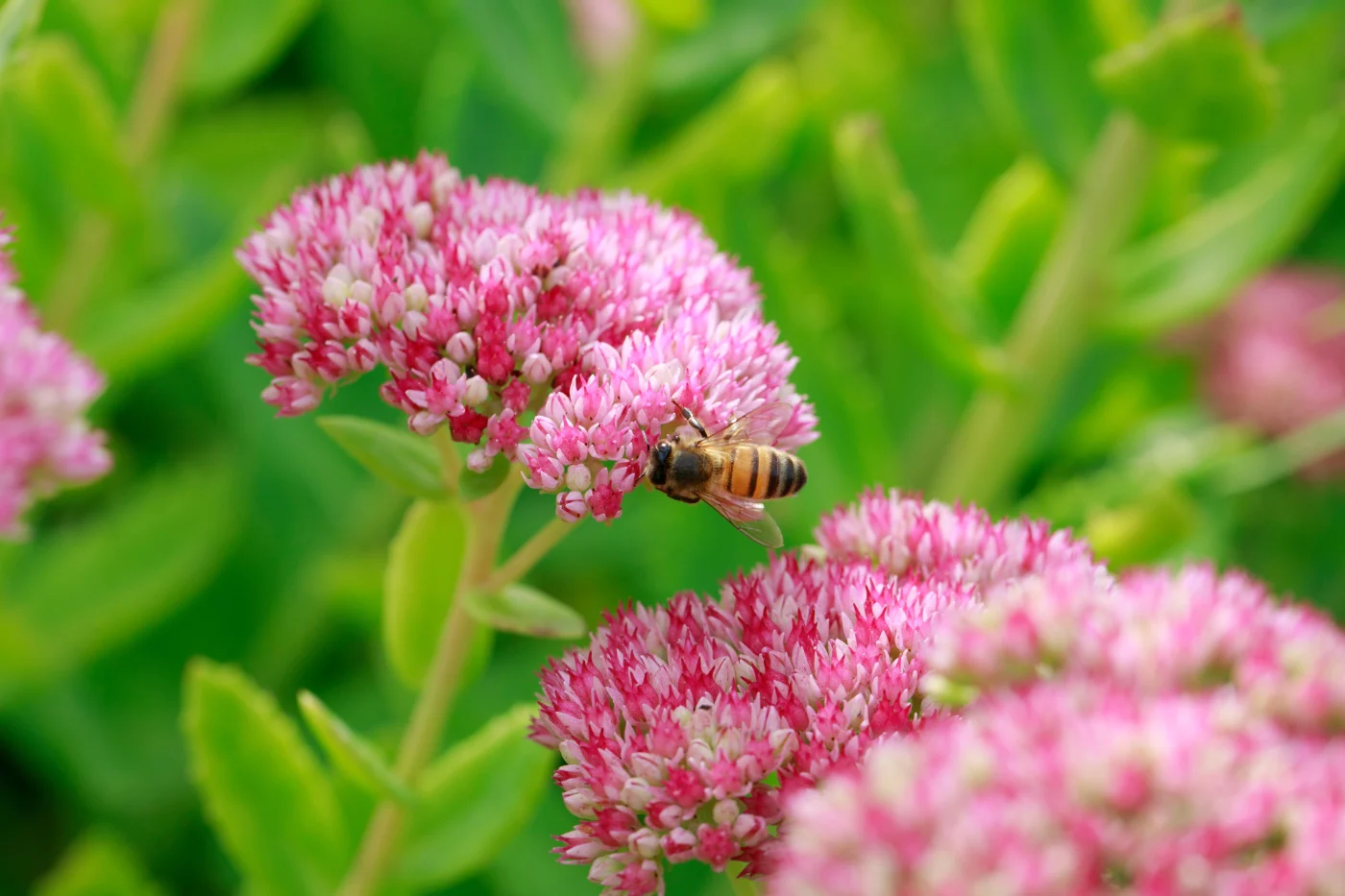
Thick, fleshy sedum plants growing densely in a sunny garden bed.
Palphramand admits sedums can be polarizing due to their fleshy texture, comparing them to euphorbias. However, they are virtually indestructible and highly attractive to garden pollinators.
“They provide lots of much-needed pollen when a lot of other plants are going over through the late summer and autumn,” he says.
Sedums tolerate full sun with minimal water. Options range from upright varieties like ‘Autumn Joy’ to rambling, ground-hugging stonecrops. Just remember that maximum sun exposure is required for prolific, long-lasting flowers.
4. Sea Holly and Blue Globe Thistle
Eryngium (sea holly) and echinops (blue globe thistle) are spiny, architectural perennials that thrive in the harshest conditions. Both require full sun and well-draining, poor-quality soil, making them perfect for gravelly, sandy, or chalky environments.
These cottage garden favorites develop deep taproots that guarantee drought tolerance and structural stability. Their distinctive blue tones act as a magnet for bees all summer long, and the clumps naturally expand year after year.
5. Resilient Herbs
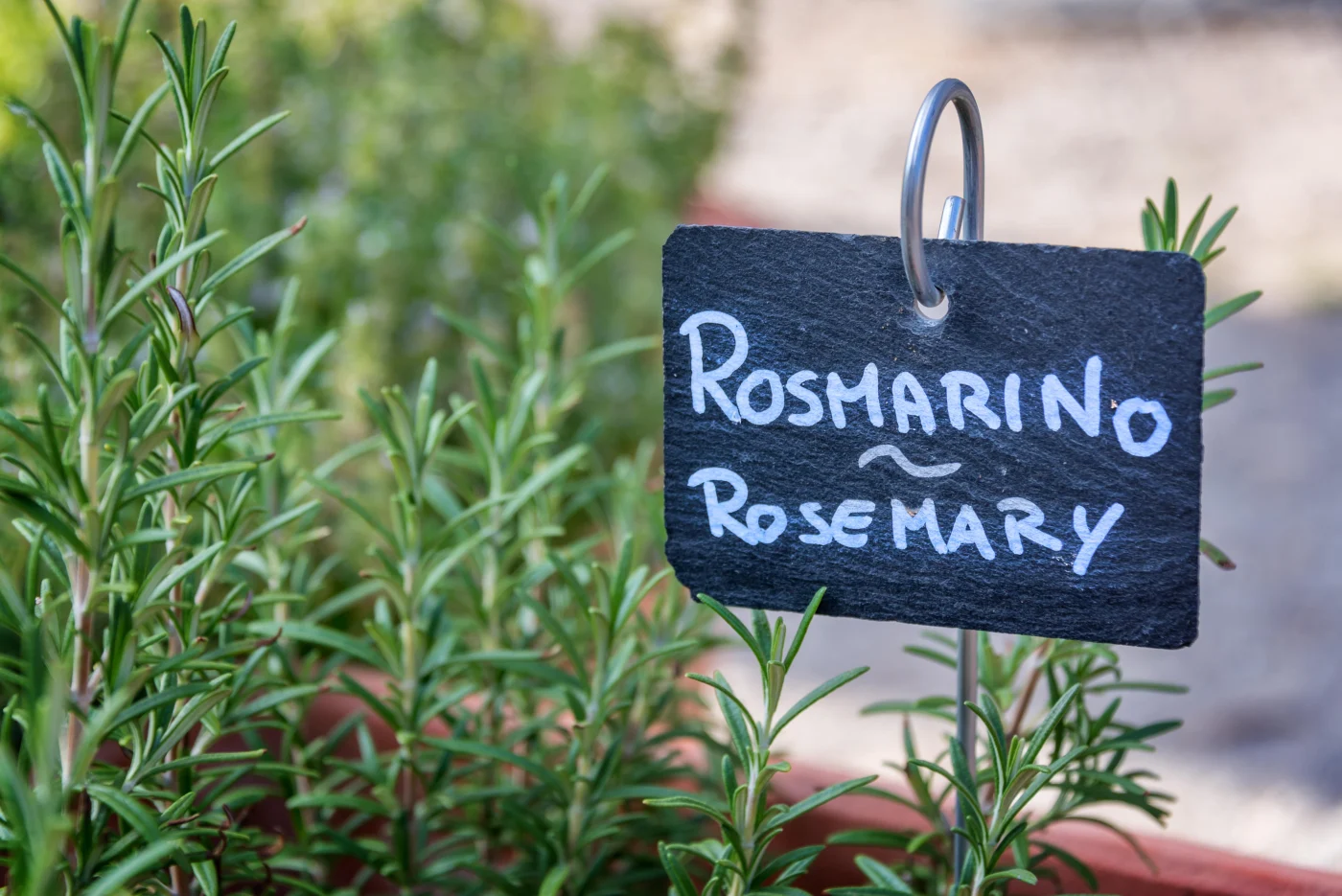
A mix of sun-loving herbs growing robustly in terracotta pots.
Herbs like lavender, rosemary, oregano, and thyme are sun-worshippers that easily attract pollinating insects. They grow exceptionally well in pots but still require a strategy if you leave town.
“They won’t suffer from being in the sun, but they will suffer from a lack of water if you are away longer than a week,” warns Palphramand. He suggests moving potted herbs to a semi-shaded area for protection during long trips.
Alternatively, bring them indoors. Placing herbs on a bright, north-facing windowsill treats them like temporary houseplants, shielding them from the aggressive outdoor heat.
Vacation Survival Tips for Gardens
If you are heading out on a trip, take these precautions to ensure your plants survive until you return:
- Call in a favor: Ask a friend or neighbor to handle watering duties while you are away.
- Relocate pots: Group your containers together and move them to the shady, north-facing side of your home.
- Hydrate deeply: Give your plants one heavy, thorough soaking right before you leave, rather than brief surface watering.
- Use trays: Stand patio pots in garden saucers. This catches runoff, allowing the plants to draw up moisture from the bottom later.
- Mulch aggressively: Apply organic mulch like straw, woodchip, or compost to borders and gaps between plants to lock in soil moisture and prevent root scorch.
- Create shade: Throw shade netting or shade cloths over highly prized plants to temporarily block intense sunlight and prevent leaf burn.

