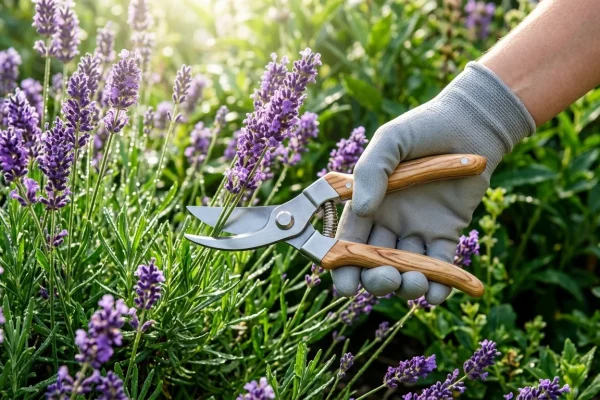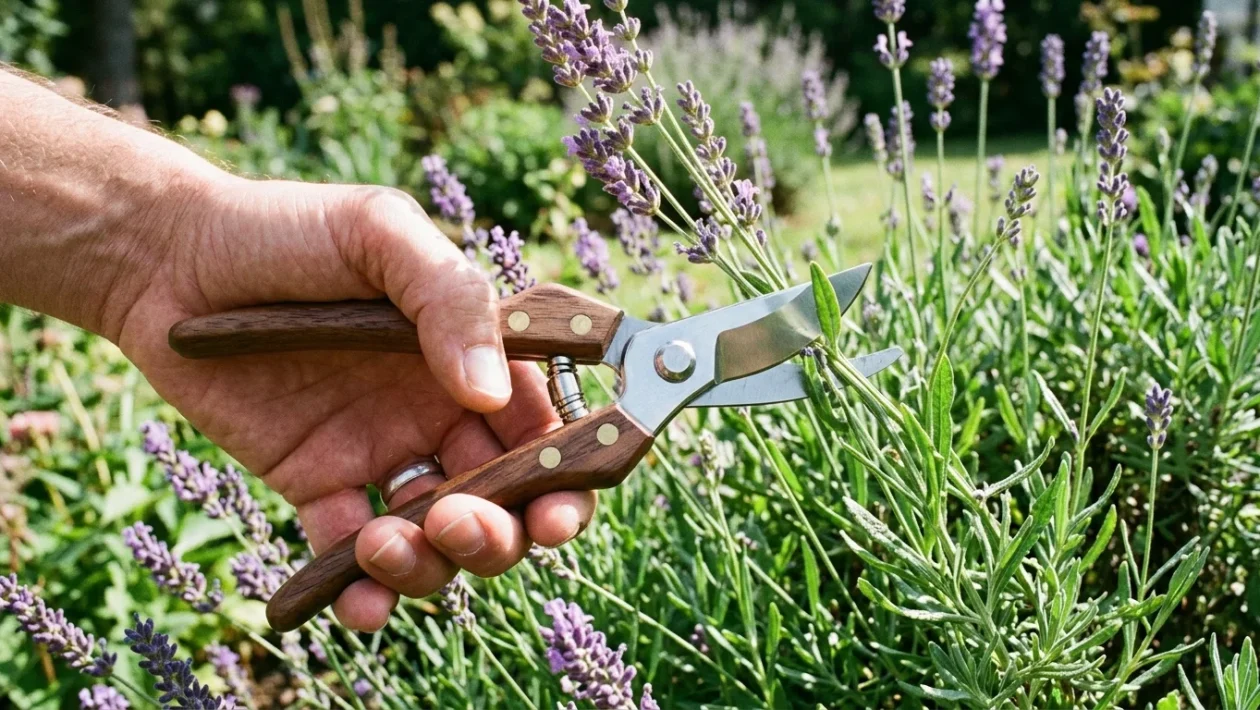
August signals a critical window for garden maintenance. As summer begins its slow wind-down, a strategic cut ensures stronger growth and abundant blooms next year.
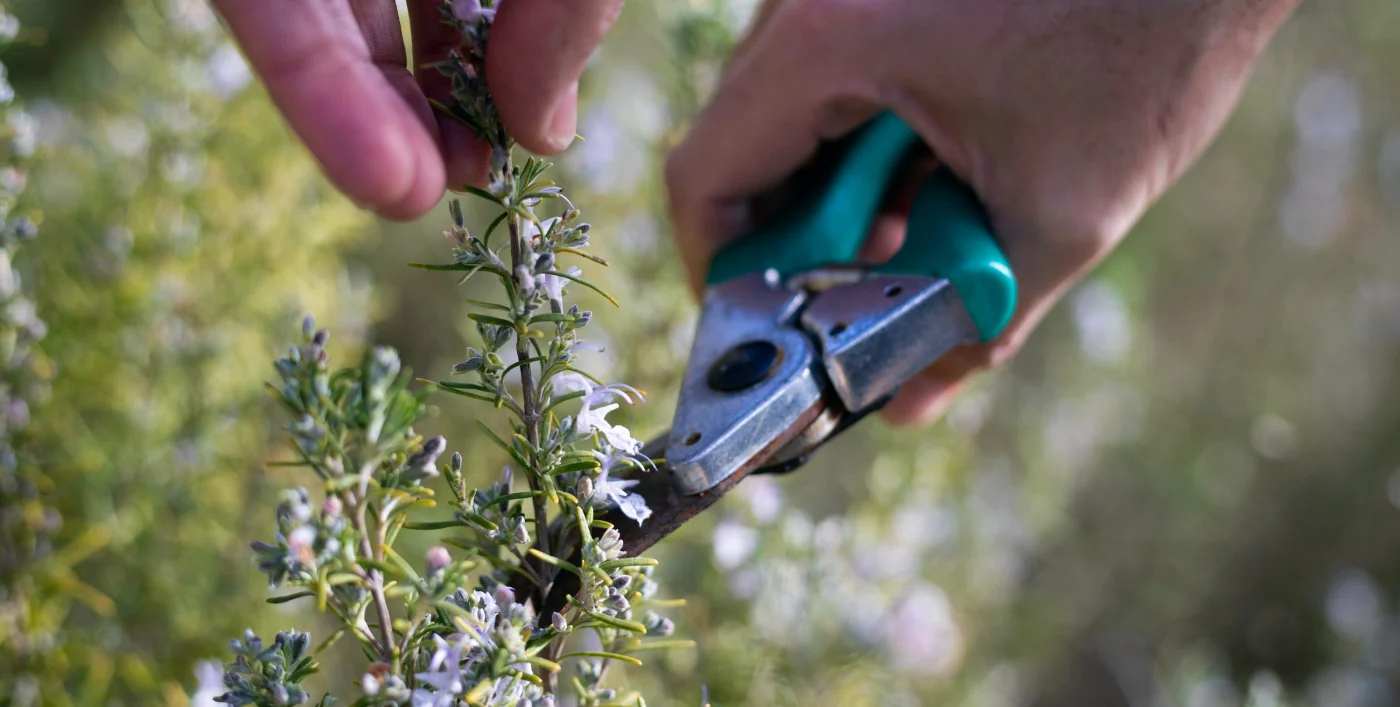
A gardener trims an overgrown green bush with manual hedge shears.
It can feel harsh to chop down thriving plants. But leaving certain shrubs unchecked leads to unruly, woody messes that struggle to survive the winter.
Here are six essential shrubs you need to trim right now.
1. Box Shrubs
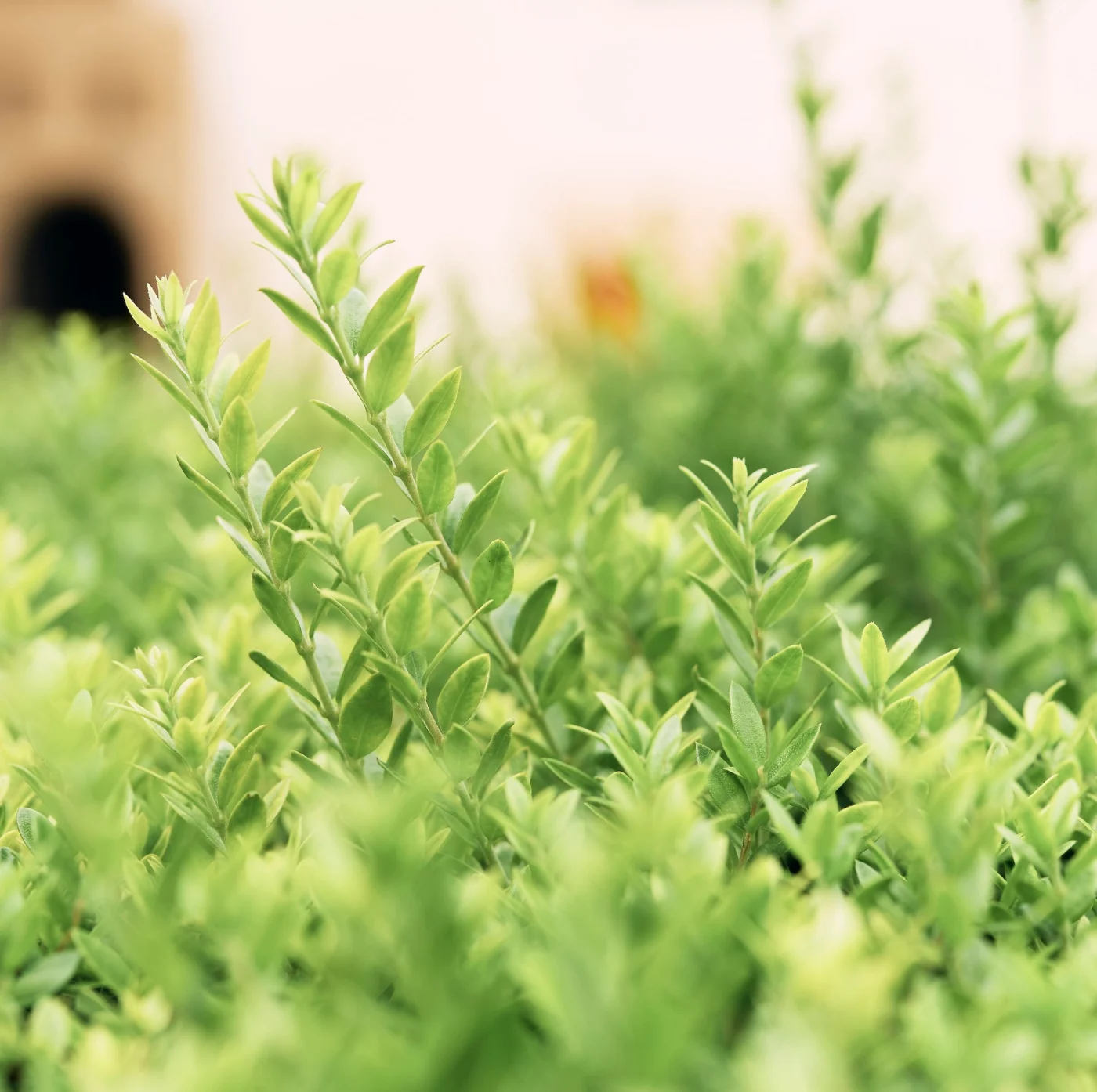
A neatly shaped box shrub growing in a garden border.
Box shrubs require two trims annually to maintain their dense, geometric appeal. The second cut should happen in August, right as summer growth slows down.
LBS Horticulture gardening expert Richard Barker explains that an August prune maintains the plant’s winter shape. It also prevents early frosts from killing off soft, late-season growth.
Only prune on dry, overcast days. Searing summer sunlight can instantly scorch freshly cut edges and damage the plant.
Nesting season runs through August, so thoroughly inspect your bushes for birds before cutting. Barker advises using vertical cuts and keeping your shears parallel to the hedge surface.
“Cut any dead, diseased, or damaged branches back to healthy growth to promote air circulation and prevent diseases,” Barker says.
2. Thyme
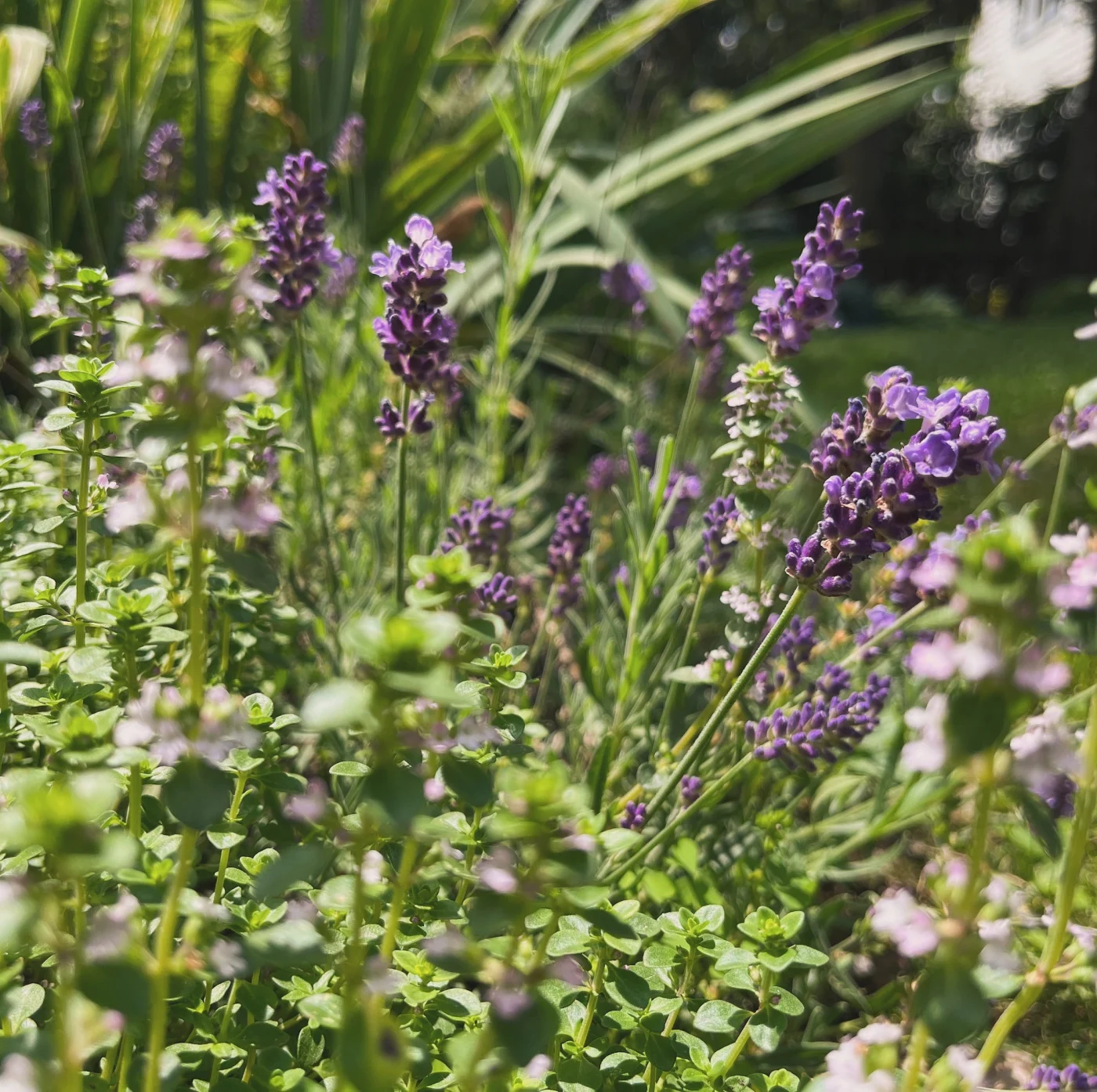
A lush cluster of thyme growing outdoors in the summer sun.
Thyme finishes flowering by late July or early August. If you skip this post-bloom trim, the herb turns sparse, leggy, and overwhelmingly woody.
Lightly trim the perimeter of the plant and clip away all dried flower spikes. This redirects the herb’s energy strictly into fresh leaf production.
Barker issues a strict warning regarding aggressive cuts. “Do not cut into bare wood, as this can potentially kill the plant,” he says.
3. Bottlebrush
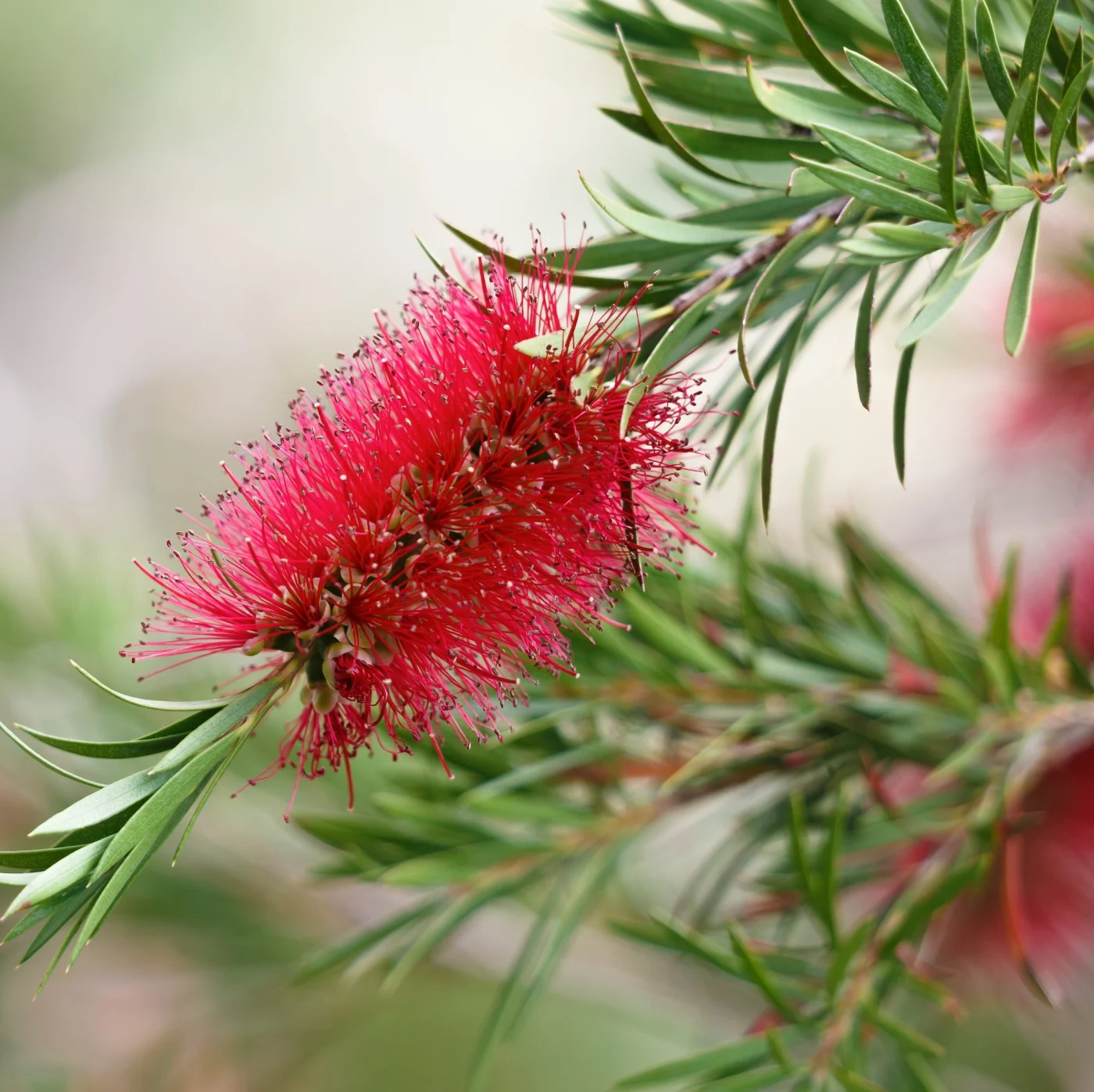
Bright red, cylindrical bottlebrush flowers blooming on a leafy branch.
Mid-to-late summer is the perfect window to prune bottlebrush. Trimming now gives new growth enough time to harden before cold weather arrives.
Barker recommends reducing stems with spent flowers by a third. Always make your cuts directly above a healthy leaf node or an active side shoot.
Clear out the plant’s dense center to boost airflow and sunlight penetration. However, never cut deep into leafless old wood, as the plant will struggle to regenerate.
4. English Lavender
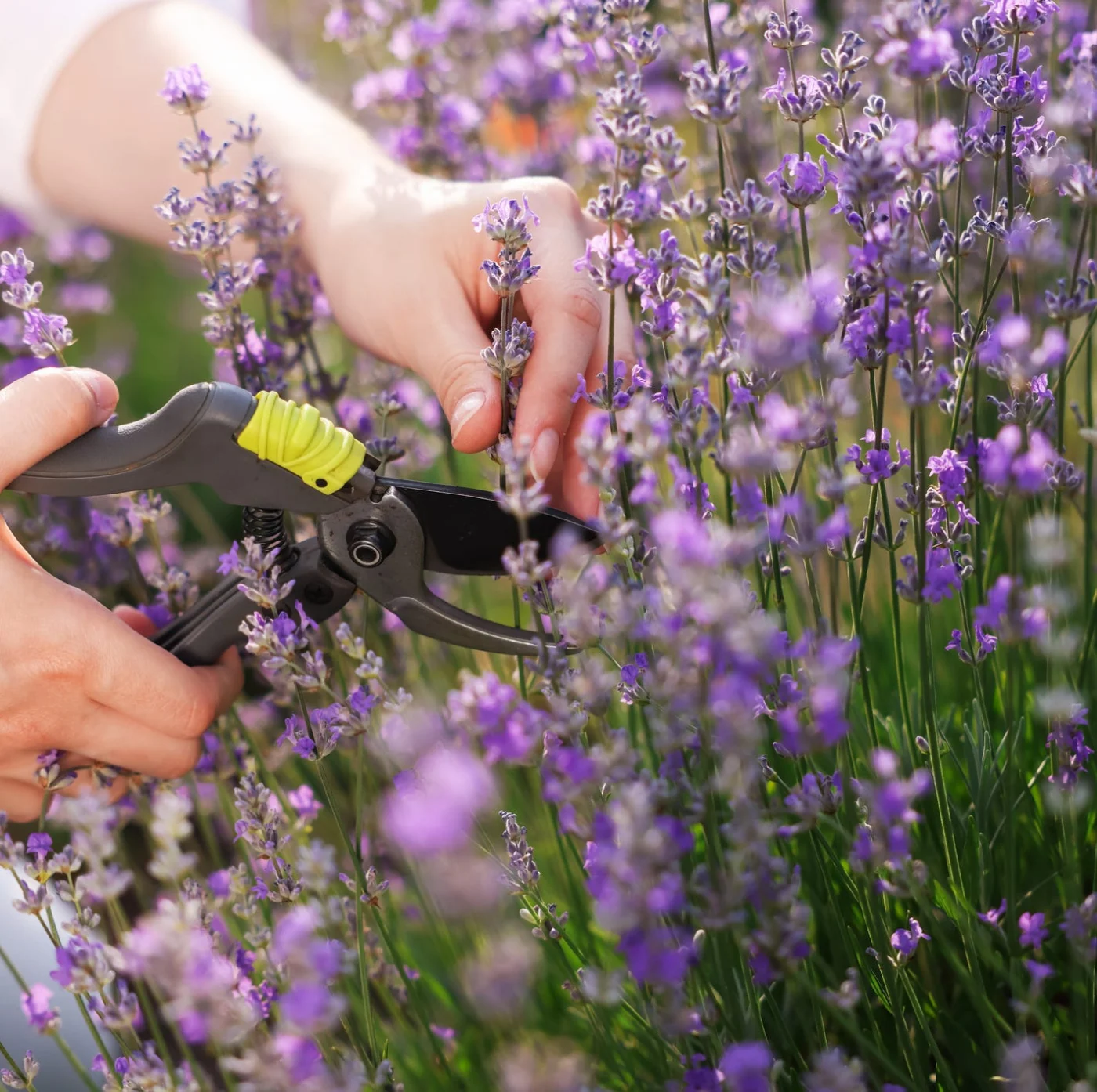
A close-up of vibrant purple English lavender stalks.
English lavender bounces back beautifully after a late-season trim. Even as the summer flowers fade, warm weather can trigger fresh green growth that needs time to toughen up.
Locate the soft, leafy growth beneath the dried stalks. Cut directly into the current season’s growth, steering completely clear of the older, bare wood.
“Gather handfuls of dried stems and trim them back, aiming for a dome-shaped mound,” Barker advises. “This shape will stop rain or snow pooling in the center of the plant, as this can cause it to rot over winter.”
5. Summer-Flowering Jasmine
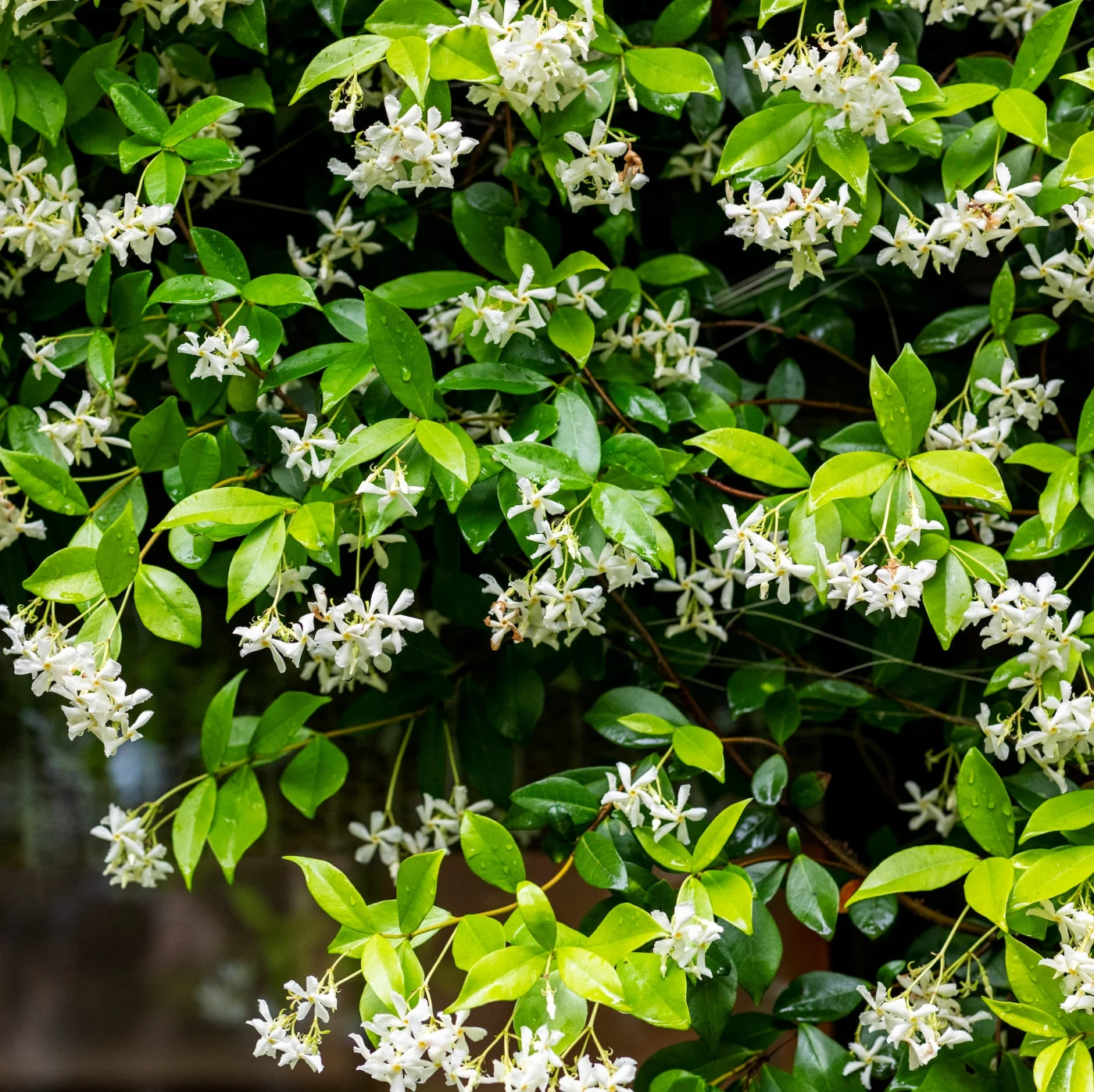
White, star-shaped jasmine flowers blooming on a green climbing vine.
Famous for its potent fragrance and star-shaped blooms, summer jasmine is prime for an August cut. You can easily spot which stems bloomed this year by looking for the faded flower clusters.
Trim these spent stems back by roughly one-third, stopping right above a strong leaf node. Remove any crossing, dead, or damaged branches to thin out the cluttered center.
Leave the fresh, green, non-flowering shoots entirely alone, as these will produce next summer’s blooms. Never remove more than a third of the total plant at once.
6. Hebe
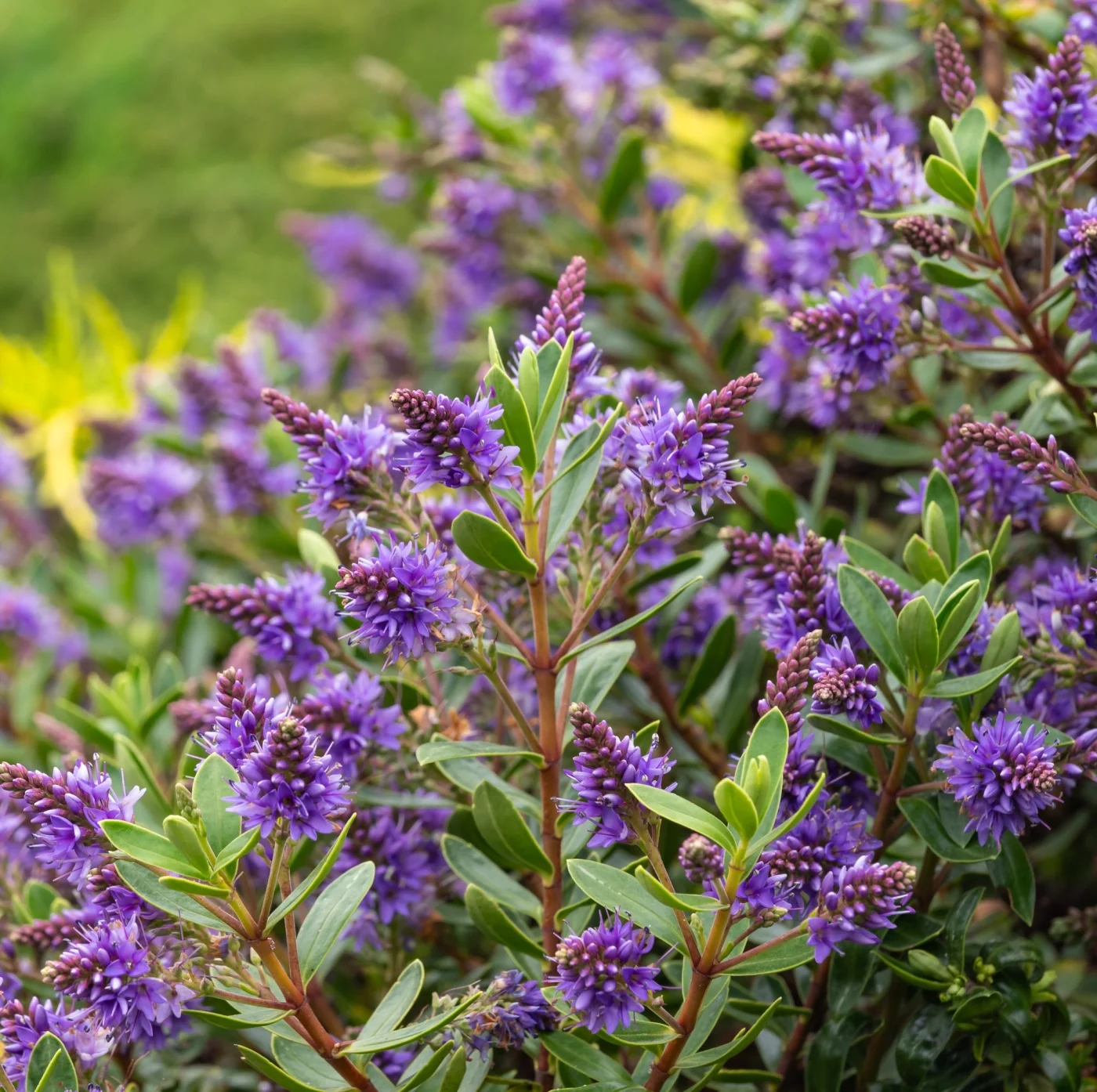
A dense green hebe shrub with delicate purple summer flowers.
Hebe delivers rich evergreen foliage year-round alongside tiny midsummer blossoms. Vigorous varieties, like Hebe ‘Midsummer Beauty,’ demand a post-flowering trim to stop woody overgrowth.
Lucie Bradley from Easy Garden Irrigation stresses the importance of a gentle hand. “When pruning hebe, it’s important that you never hard prune or cut back into old, bare wood,” she says. “It often won’t regrow, and you could finish off losing your whole shrub.”
Always leave visible green leaves or buds on every stem you cut. If your hebe is severely overgrown, stagger the pruning process over multiple sessions to prevent permanent shock.