A close-up view of vibrant garden plants ready for late summer pruning.
August marks a critical transition in the garden. As late summer warmth persists, smart gardeners grab their shears to prepare specific plants for the incoming autumn.
Lush summer foliage requiring careful maintenance before the seasonal shift.
Pruning right now encourages future growth, maintains structure, and strips away diseased foliage. But before you hack away at everything in the yard, precision is required.
Richard Barker, commercial director at LBS Horticulture, shared his exact guidelines with Country Living for the five plants you need to trim this month.
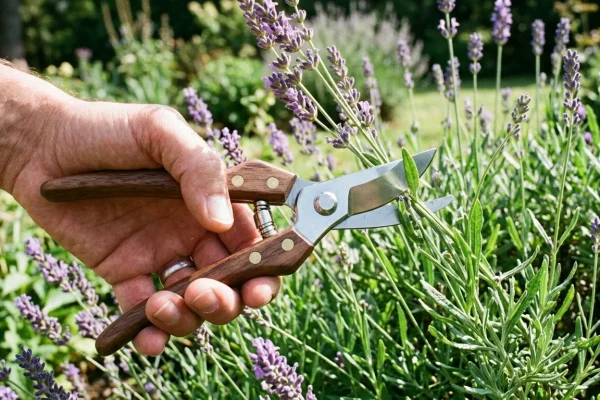
Securing Compact Lavender
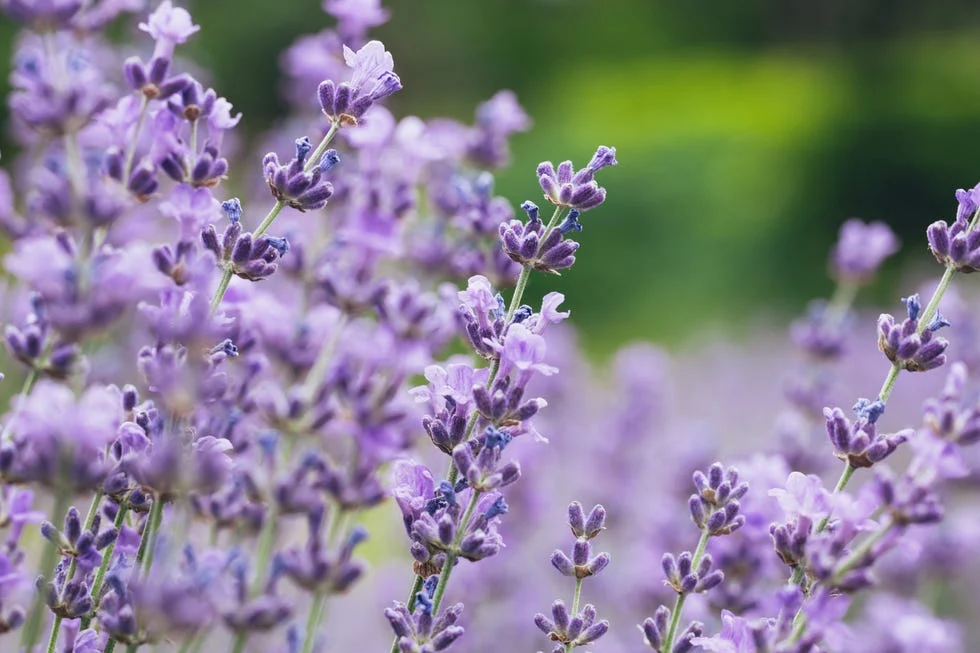
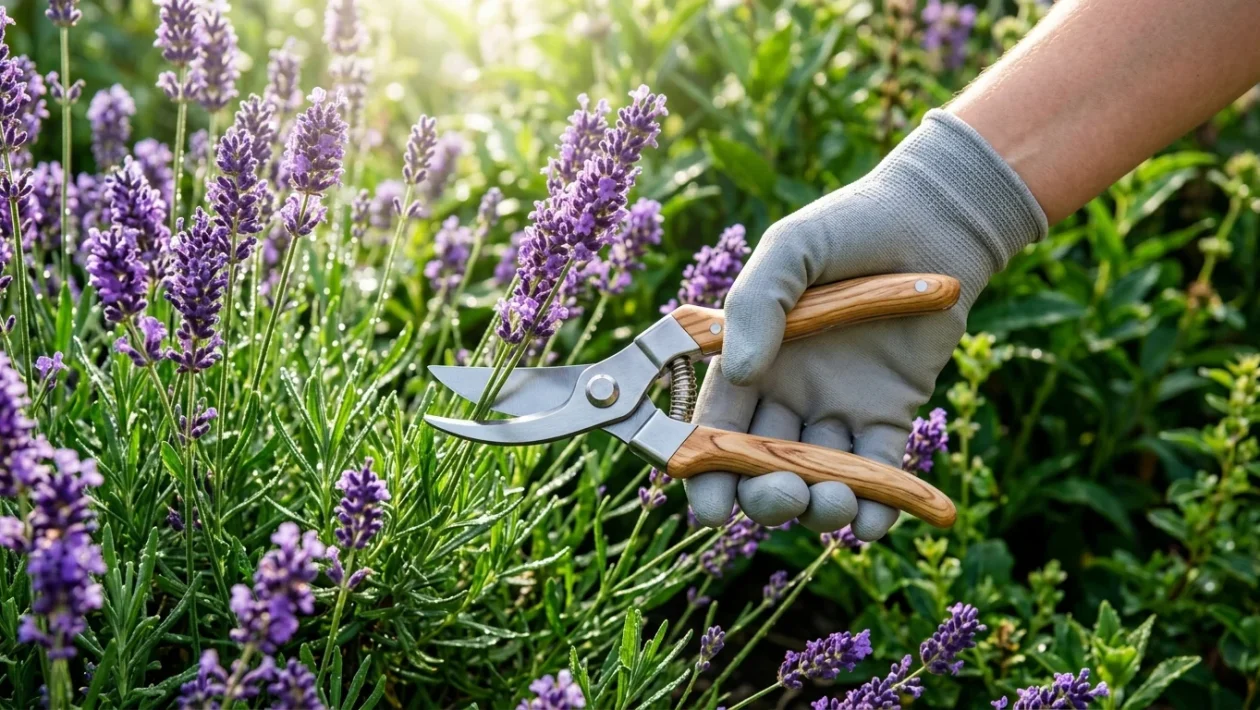
Purple lavender bushes growing densely in a sunny garden environment.
Barker advises tackling lavender right after its late-summer flowering finishes. This keeps the drought-tolerant perennial tight and compact for the next season.
“When pruning, remove faded flower stalks and roughly an inch of leaf growth,” Barker says.
He strictly warns against cutting into the woody base of the plant, unless you are removing damaged stems. Striking the old wood permanently disrupts how the lavender regrows.
Timing is equally crucial. You must finish this job at least six weeks before the first expected frost, giving the plant enough time to recover.
Timing Climbing Hydrangeas
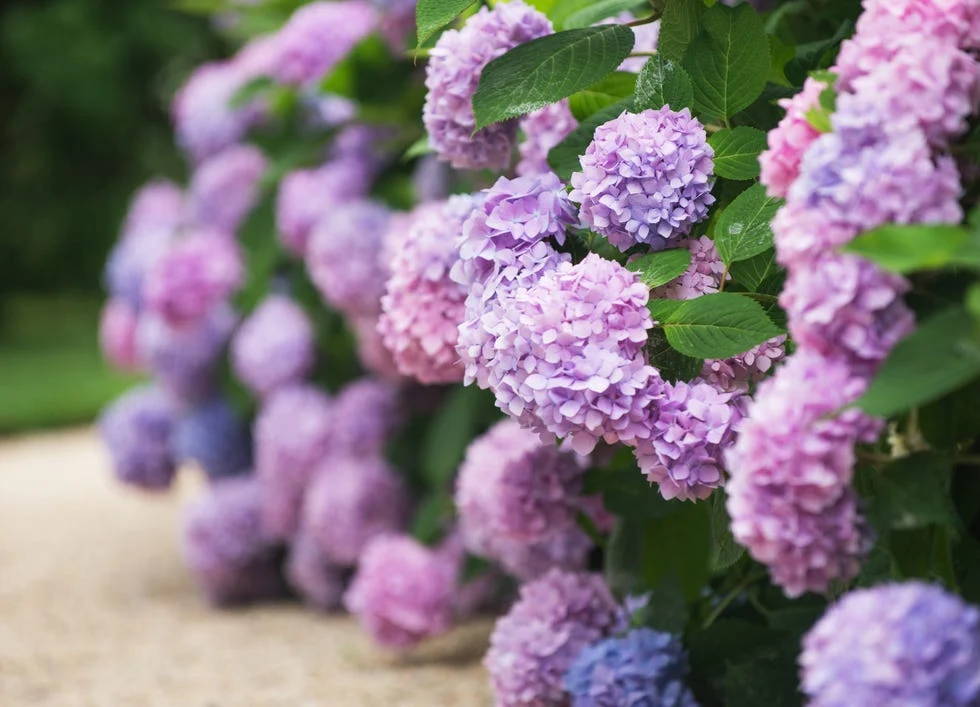
A gardener tending to a large, blooming hydrangea plant in partial shade.
Not all hydrangeas want an August haircut. At this time of year, you should only target climbing hydrangeas.
Because these climbers produce flowers on the previous year’s shoots, they need immediate post-bloom pruning. This ensures the plant has ample time to develop flowering wood for next year.
Barker recommends pruning back flowered shoots and shortening overly long new growth. Leave the top of the plant mostly untouched, as this is where most future flowers form.
“If you are unsure as to what kind of hydrangea you have in your garden, the best option is to deadhead the plant and then observe how it grows after this,” Barker explains.
Taming Wild Wisteria
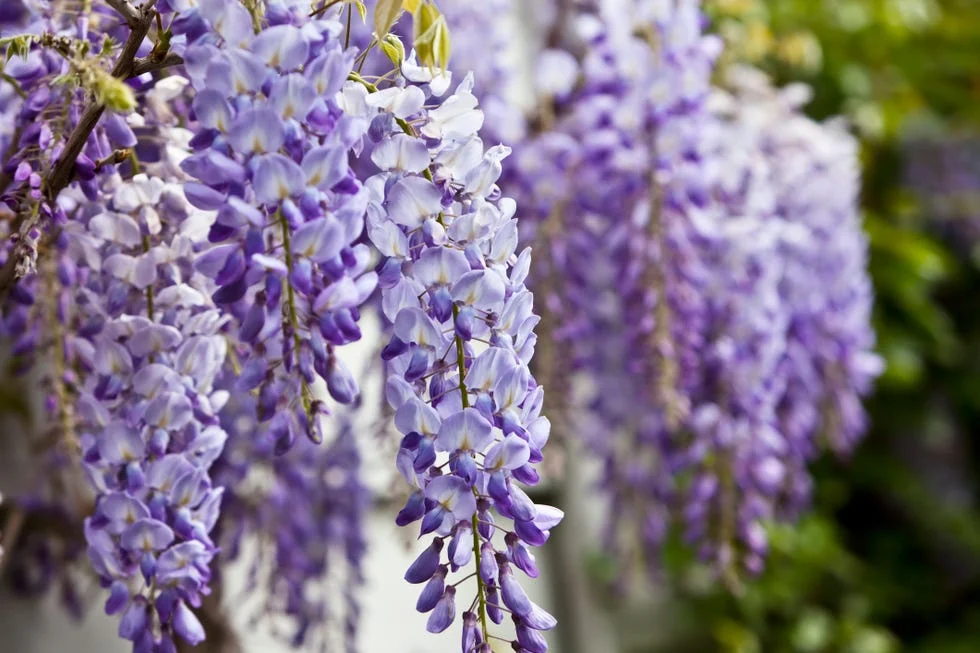
Bright purple wisteria hanging elegantly from an overhead wooden garden structure.
Wisteria is an aggressive climber that demands pruning twice a year: once in July or August, and again in January or February.
Summer pruning drastically improves air circulation and allows vital sunlight to reach young growth. This process ripens the wood and triggers better flower bud formation.
Barker’s rule for August is simple: cut back the whippy green shoots from this year’s growth down to just a few leaves. This controls the plant’s massive size and forces it to prioritize flower buds over excess foliage.
Avoid hard pruning during the summer months. Wisteria needs its remaining foliage to produce food and recover from its blooming phase.
Refining Rambling Roses
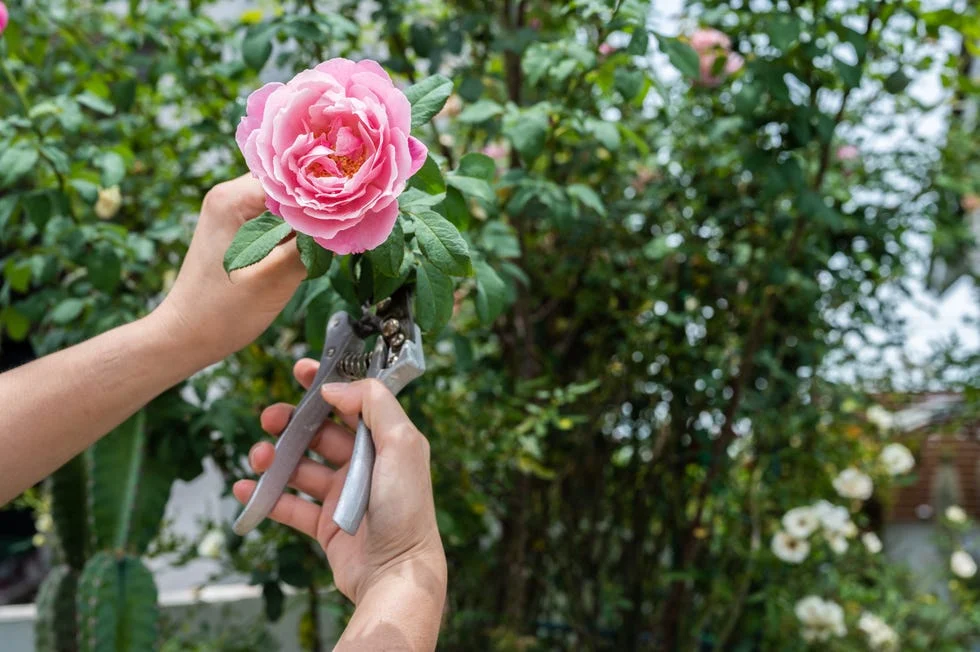
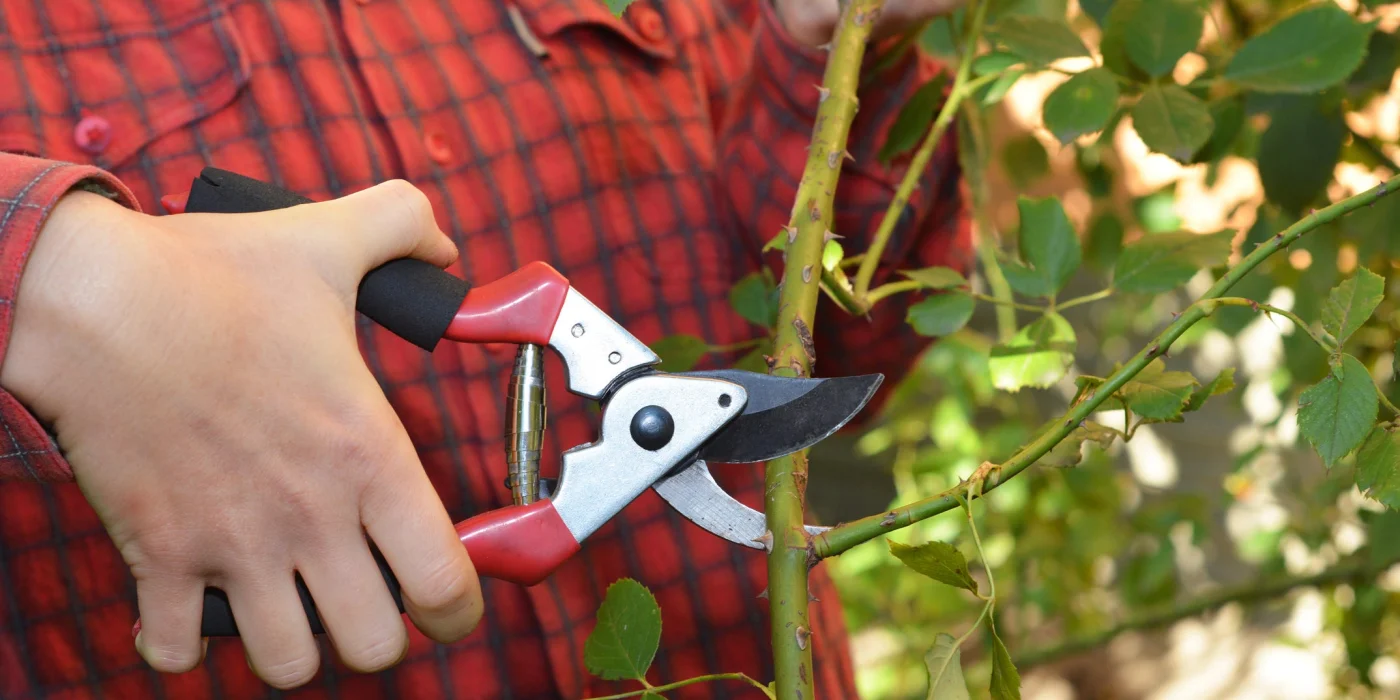
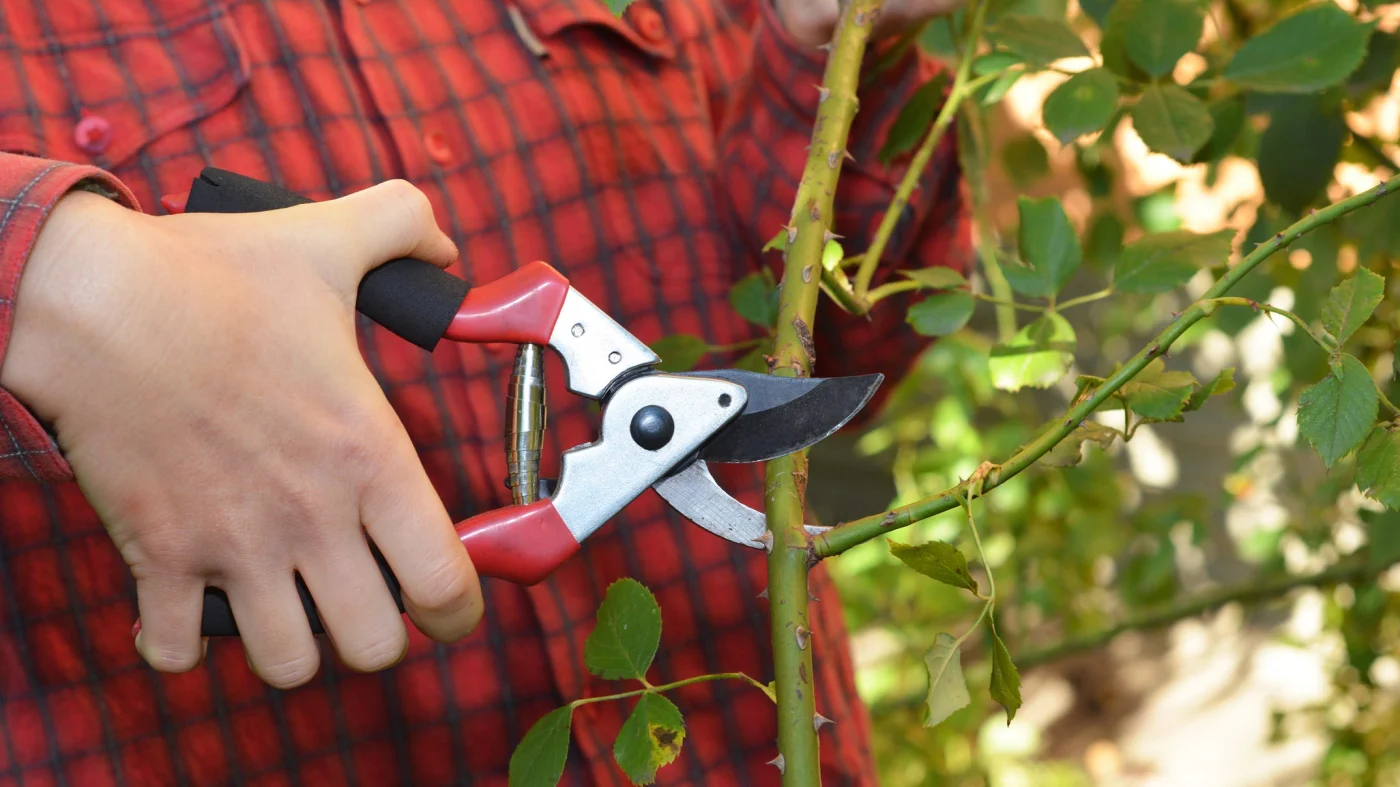
A person using secateurs to carefully deadhead and prune a rambling rose bush.
When it comes to your rose garden in August, limit your shears to rambling varieties that have already produced their flowers and hips.
For younger rambling roses, cut the stems back by roughly 40cm (about 16 inches) and clear out any dead, damaged, or twiggy growth. For older plants, thin out excessive growth and remove stems that have already flowered to save space.
Barker stresses the importance of checking the weather forecast before starting.
“Avoid pruning roses when it is due to rain, as fungal spores may splash onto the surface of fresh pruning cuts and infect them,” he warns.
Make your cuts at an angle rather than flat. Sloping cuts naturally deflect water away from the buds, offering further protection against fungal diseases.
Prepping Fruit Trees for Harvest
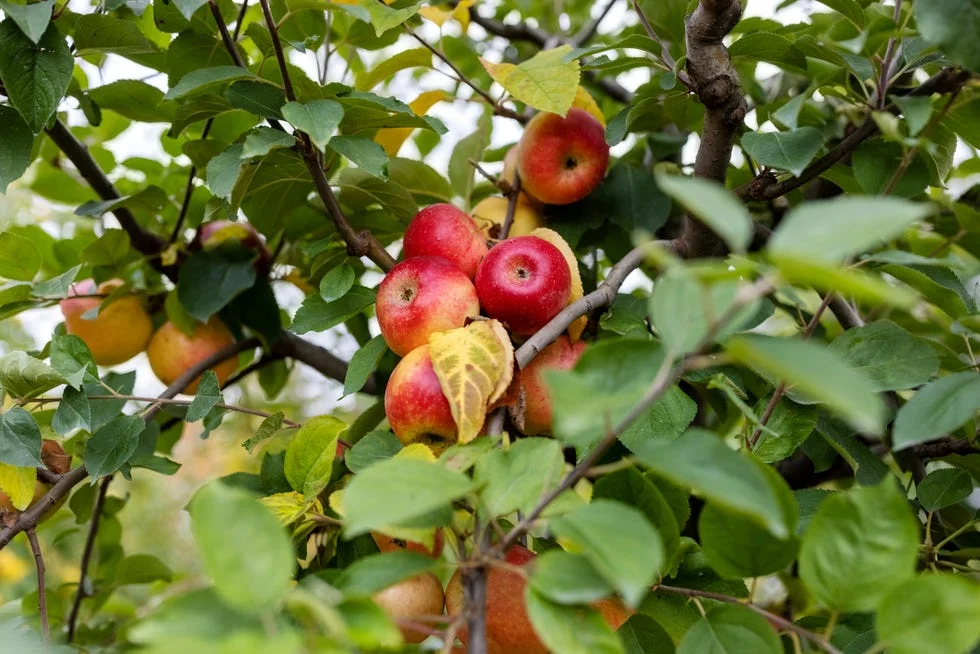
Green apples growing heavily on a well-maintained garden tree.
August is prime time to prune apple and pear trees that are trained in restricted forms. Standard or bush varieties should be left entirely alone until winter.
According to Barker, a fruit tree is ready for summer pruning when the bottom third of its new shoots feel stiff and woody. Pear trees typically reach this stage before apple trees.
Any new shoots growing directly from the main stem that exceed 20cm (about 8 inches) should be cut back to a few leaves above the basal cluster. Leave shoots shorter than 20cm alone, as they frequently develop into fruit buds.
If you spot new shoots growing from existing side branches, trim those back to just one leaf above the basal cluster. Finally, completely remove any vigorous, straight-upward growth.