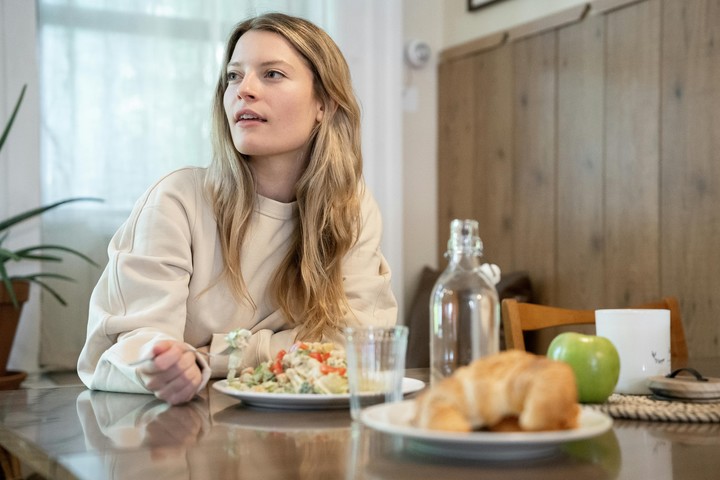
A pensive woman sitting alone, reflecting on her independent lifestyle and singlehood.
For years, she assumed she simply hadn’t met the right person. She blamed her career, bad timing, and plain bad luck for still being single at 39.
A woman sits deep in thought, reflecting on her relationship history.
However, as time passed, she reached a radically different conclusion.
Her story isn’t one of bitterness or regret over failing to settle down. Instead, it poses a difficult question about modern autonomy.
At what point does absolute independence become an impenetrable barrier to building a relationship?
The Shift in Perspective
The clarity came only when she looked back at her daily habits. “I am 39 years old and I started to realize that I didn’t simply ‘end up’ single,” she admits.
A person looking out a window, contemplating life choices.
“Rather, I slowly built a life that made it increasingly difficult for someone else to fit into it.”
This single realization changed everything. She stopped blaming external factors. Instead, she recognized that hundreds of daily decisions had shaped a routine with zero room for another human being.
When Self-Sufficiency Becomes a Fortress
For years, she structured her entire existence around not depending on anyone. She handled her own finances, planned solo travels, and executed major life choices without consultation.

A woman managing her daily schedule and finances independently.
Eventually, that flawless autonomy stopped being just a strength. “I got so used to everything working on my schedule that anyone else started to feel like an interruption,” she explains.
It was never a deliberate boycott of love. Every new solo habit merely reinforced a lifestyle where negotiating schedules or priorities felt deeply unnatural.
The Invisible Choices
There was no singular traumatic event that led to her isolation. It was a slow accumulation of minor preferences over years that fundamentally altered how she related to others.
“I never intended to close the door. I just kept rearranging the furniture until almost no one could enter,” she says.
Craving a Shared Life
Living alone hasn’t been a struggle for a long time. She found stability, peace, and a highly enjoyable routine.

A woman enjoying a quiet moment alone in her apartment.
Yet, a quiet realization eventually surfaced. “I didn’t miss having a partner,” she notes. “I missed feeling that someone shared my daily life.”
The distinction is vital. She wasn’t desperate for a romantic label, but she recognized that inviting someone in meant dismantling the very comforts she had worked so hard to establish.
She used to believe she just couldn’t find compatible partners. Now, she questions her own role in those failed connections.
“Maybe the problem wasn’t that no one fit with me. Maybe I had designed a life where fitting in was almost impossible,” she says.
Redefining Personal Freedom
This shift forced her to examine how she reacted when someone actually tried to get close. She noticed she habitually resisted normal relationship compromises—changing plans, giving up physical space, or adjusting her routine.

A person walking alone outdoors, embracing personal freedom.
She still values her freedom and doesn’t question the benefits of autonomy. However, she now sees that she mistook extreme self-reliance for healthy independence.
“I built a very safe life, but also one too difficult to share,” she says.
While many people actively choose to live alone and find total fulfillment, her path was different. She realized that her relentless journey toward independence had quietly erased the space required for anyone else to join her.