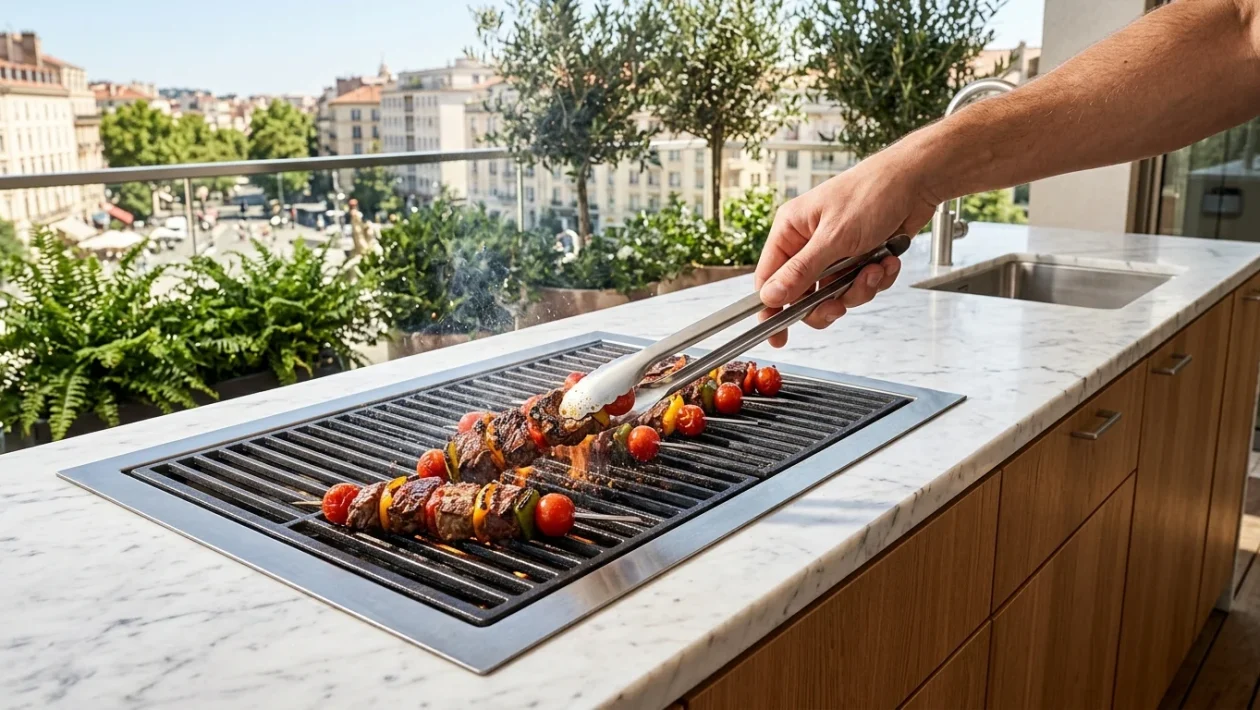
A modern integrated grill installed on a compact apartment balcony countertop.
A modern integrated balcony grill replacing traditional brick structures
For decades, exposed brick barbecues were the gold standard for residential outdoor entertainment. That era is ending.
Architects project that by 2026, these bulky structures will be largely replaced by integrated built-in grills. The shift is driven by a growing need to maximize usable space on compact apartment balconies.

A sleek built-in grill installed directly into a custom countertop
Instead of dominating the patio, the new generation of grills drops directly into custom-built countertops. This simple change significantly reduces the visual weight of the cooking area.
Modern residential projects prioritize a clean, uncluttered aesthetic for gourmet zones. The integration trend reflects a broader architectural push toward smart surface utilization in contemporary apartments.
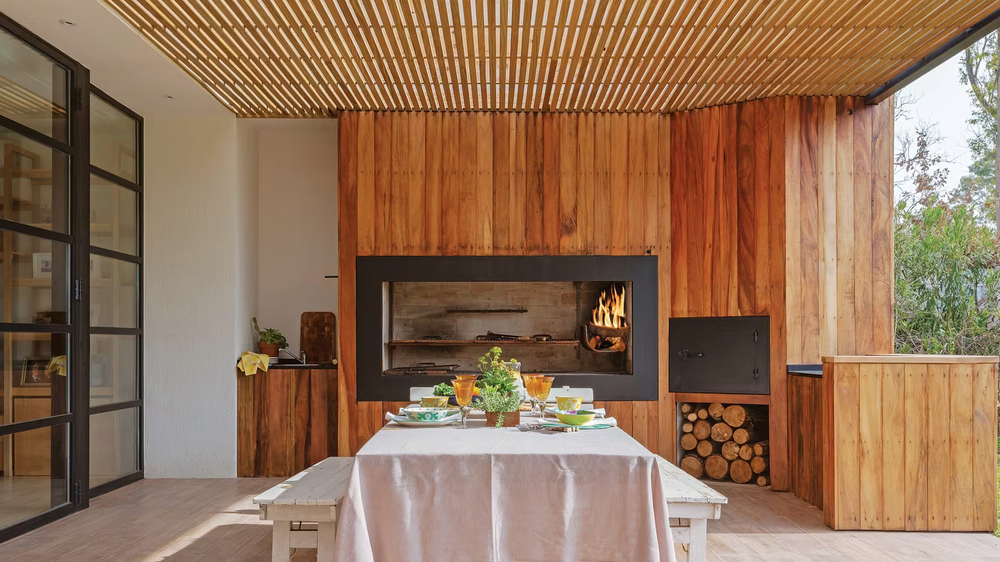
An integrated grill lined up seamlessly with a balcony sink and cabinetry
How Built-In Balcony Grills Work
Unlike traditional masonry barbecues, flush-mount models sit seamlessly inside heat-resistant countertops. The grilling equipment rests on the exact same visual line as the sink, cabinetry, and food prep station.
This layout keeps the balcony’s design sharp and adaptable to almost any decor style. Space-saving remains the primary draw, making these units practical even in highly constrained, open-plan areas.
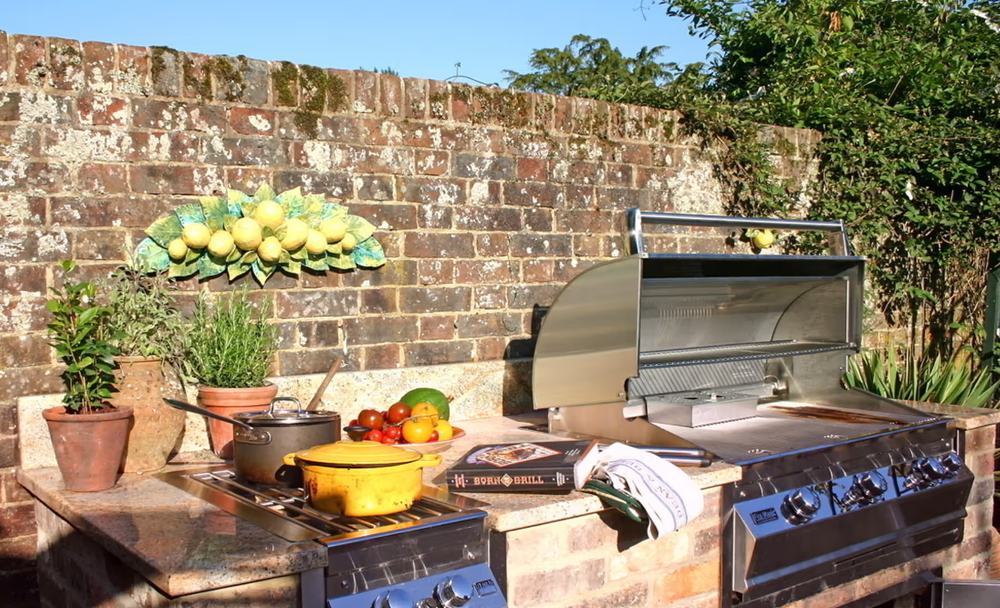
Close-up of a modern grill interface featuring advanced temperature control options
Manufacturers offer these streamlined units in charcoal, gas, and electric configurations. Advanced models feature temperature-control lids, height-adjustable grates, and integrated grease drip trays for rapid cleaning.
Customization plays a massive role in their rapid adoption. Without a heavy brick base dictating the layout, homeowners have total flexibility to match the countertop finish exactly to their furniture and flooring.
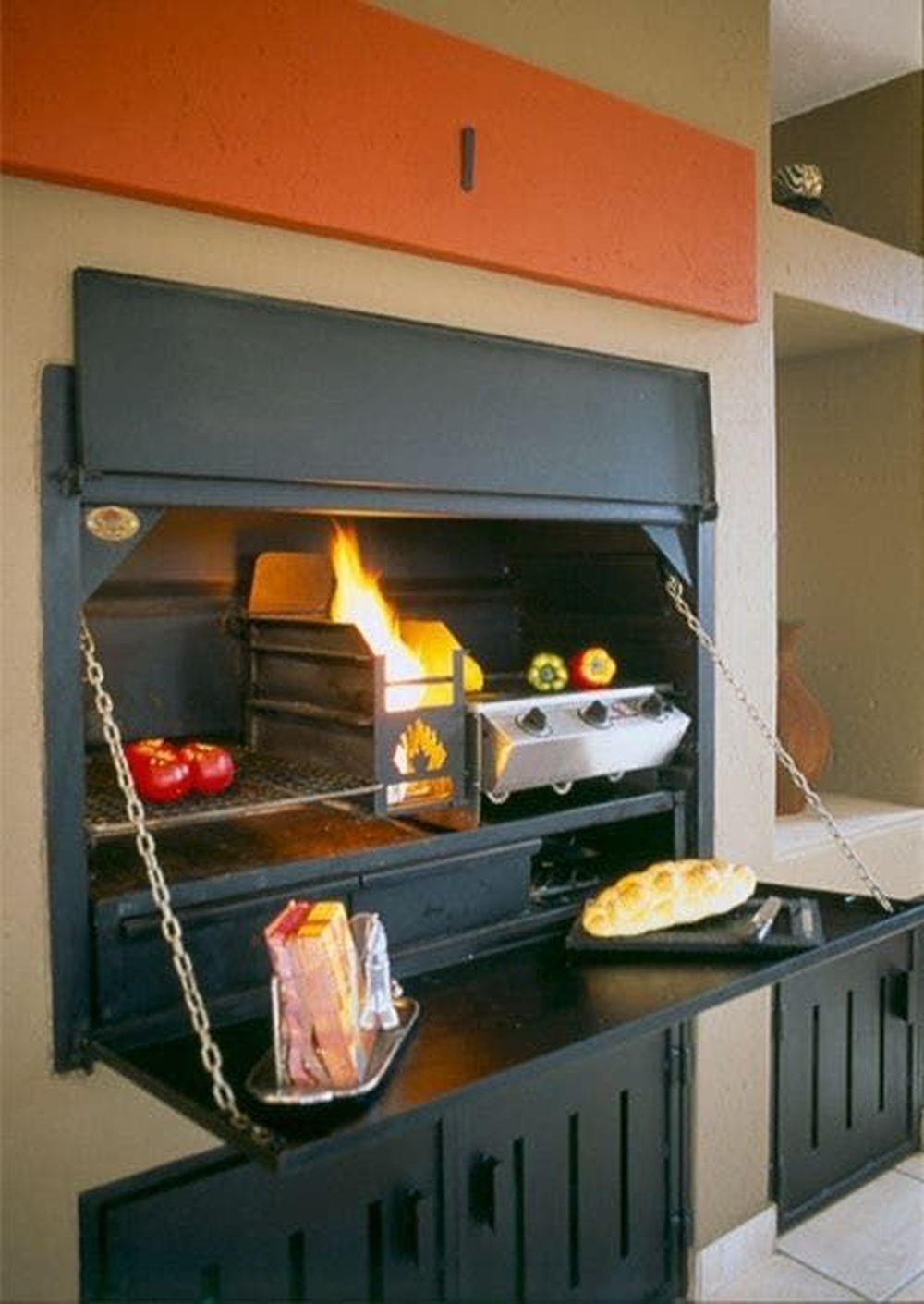
A fully customized outdoor cooking area blending flawlessly with the surrounding architecture
Technical and Installation Requirements
Swapping a heavy brick barbecue for a compact model requires strict technical planning. Installers must evaluate environmental ventilation to prevent dangerous gas accumulation before fitting the unit.
Property owners also need to review specific condominium regulations and secure the proper electrical or gas hookups prior to construction.
Choosing a charcoal model introduces further technical hurdles. These units generally require a dedicated extractor hood and specialized ventilation ducts to safely channel smoke outward. Despite these installation demands, the 2026 forecast is clear: massive brick structures are fading out, making way for total architectural integration.