
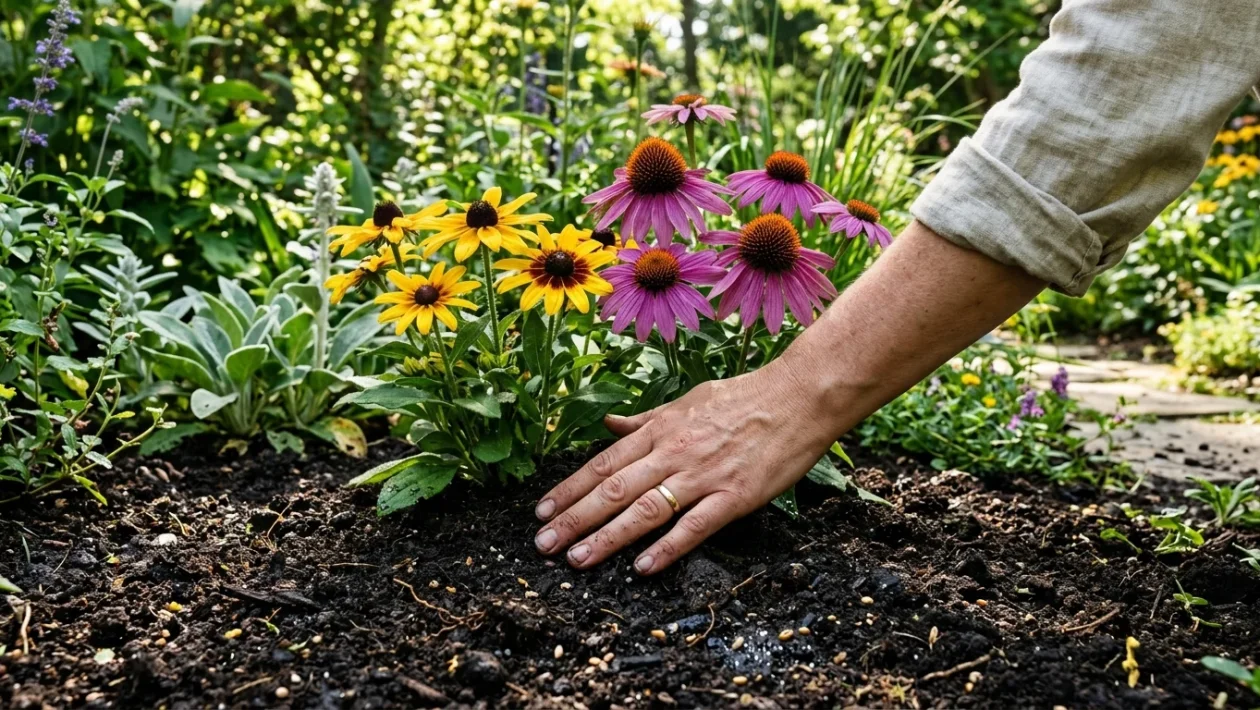
Vibrant yellow and purple perennial flowers thriving in a sunny late-summer garden bed.
Perennials remain a gardener’s greatest asset, even when temperatures peak in mid-summer. While many assume the primary planting window closes in the spring, getting seeds in the dirt during the hottest months serves a specific strategic purpose.
Planting late sets the stage for a dramatic fall flush. When winter recedes, those same plants will deliver a second wave of rapid color in the spring.
Here are seven reliable perennials you can establish right now to bridge the seasonal gap.
Black-Eyed Susans
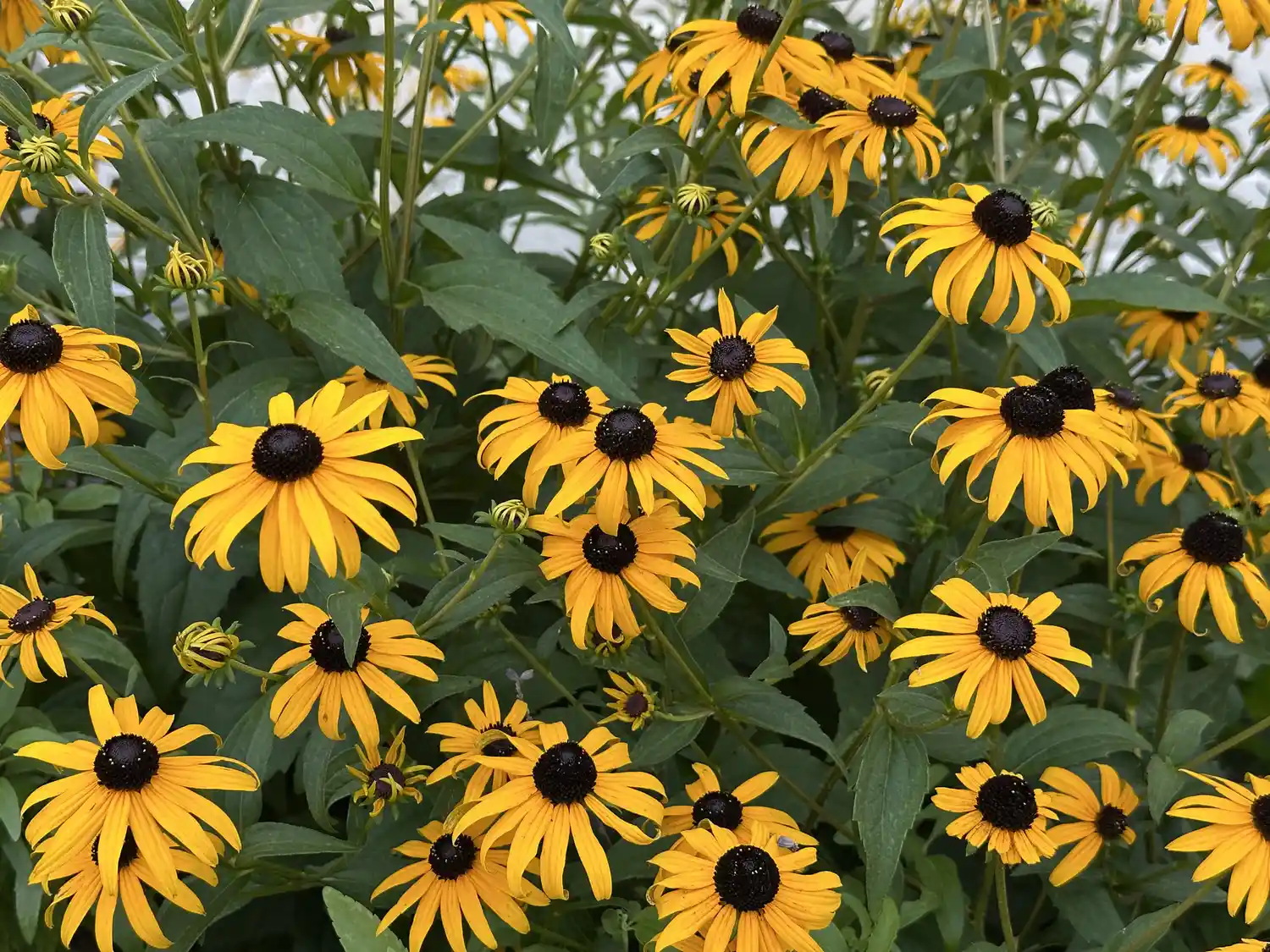
Bright yellow Black-eyed Susans blooming under direct sunlight
Black-eyed Susans are speedsters. They germinate in just 10 days and produce fully mature blooms in 12 weeks, making them ideal for late-summer planting.
Native across much of North America, these cheerful yellow flowers thrive with minimal human intervention. Drop them in a sunny spot, and they will rapidly take over the space.
“Black-eyed Susans are also a strong pollinator pick, attracting butterflies and other beneficial insects while adding a wildflower look to late-season beds,” says gardening professional Rebecca Sears.
Close-up detail of a vibrant yellow garden blossom
Coneflowers
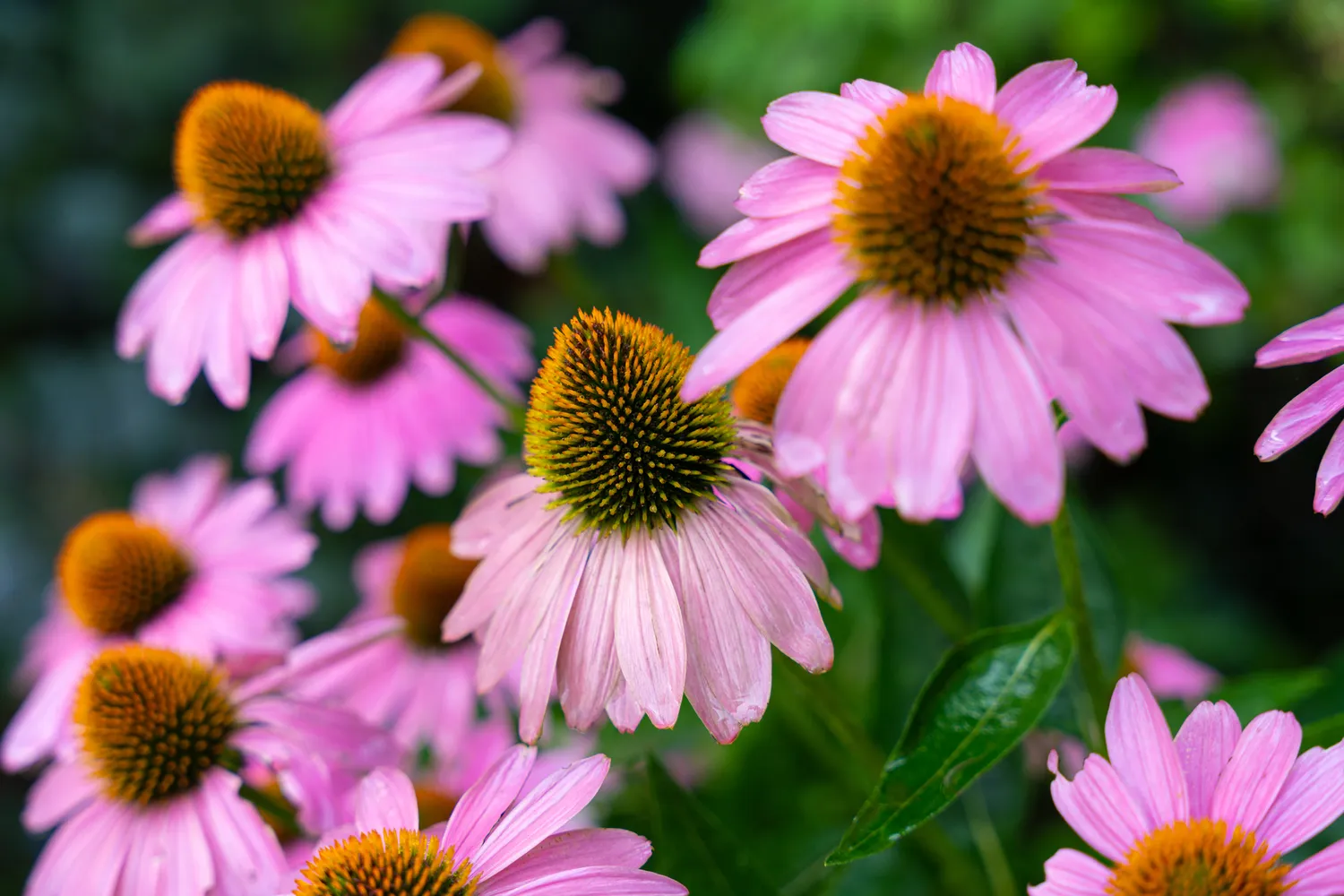
A purple coneflower standing tall in a green perennial border
Characterized by their vivid purple petals, coneflowers are a massive draw for local pollinators. This native species is famously tough, happily enduring full sun and bouts of drought.
“If coneflowers are started in July, keep the seedbed consistently moist through germination and early growth,” Sears advises. “Expect the strongest display in long-season climates or the following year.”
Blanket Flowers
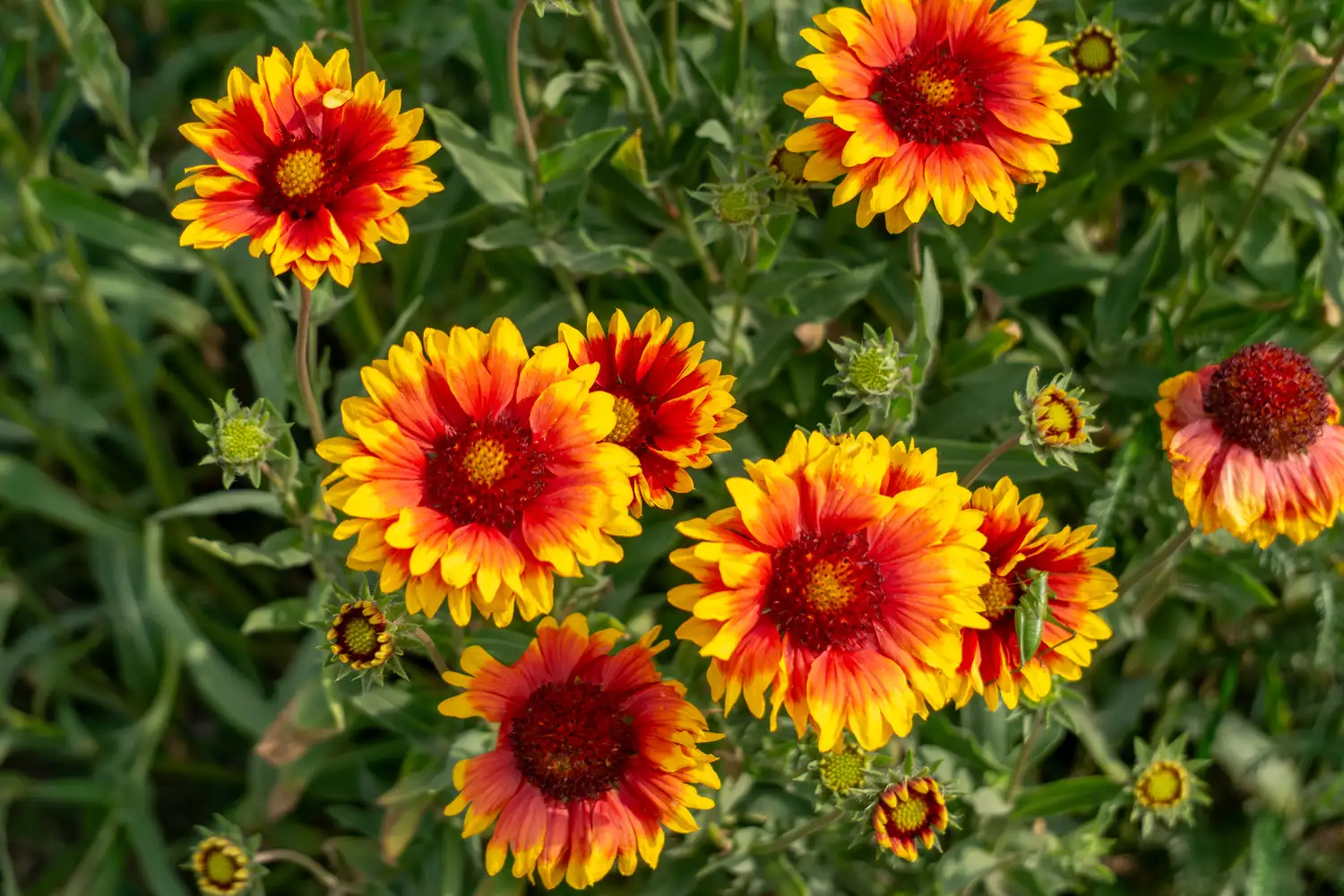
Red and yellow blanket flowers basking in full sun
To inject instant warmth into a landscape, blanket flowers offer deep red and yellow tones. This versatile perennial pushes out blooms in spring, summer, and fall.
“Its red, orange, and yellow daisy-like blooms are especially useful in pollinator gardens and sunny borders,” notes Sears.
Blanket flowers germinate in an ultra-fast 7 to 15 days. They absorb summer heat easily, ensuring a fully bloomed bed just 12 weeks after the seeds hit the soil.
Asters
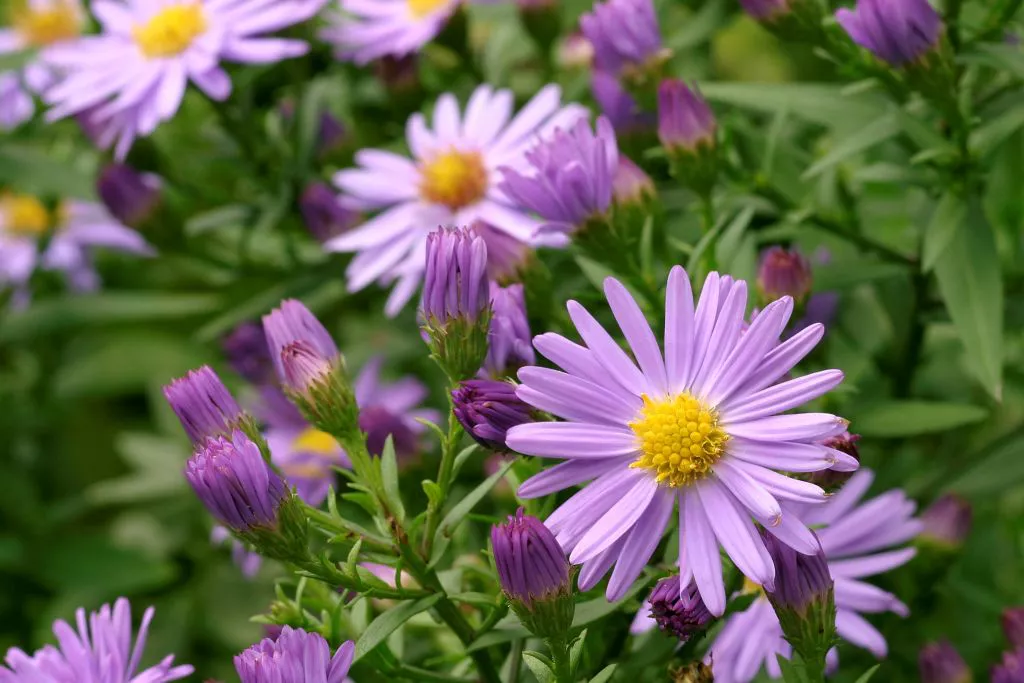
A dense cluster of purple-blue aster flowers in full bloom
Asters introduce stark, cool purple-blue shades into the classic autumnal color palette. Plant them in mid-summer, and they will erupt in small, papery blooms just 60 days later.
While they tolerate a variety of light and soil conditions, their physical structure requires attention if you plant them outside their natural habitat.
“Asters need to be staked if they aren’t in their native environment, which is a tall grass prairie where the prairie grasses hold up the flowers,” says landscaping professional Kate Schneider.
Autumn Joy Sedum
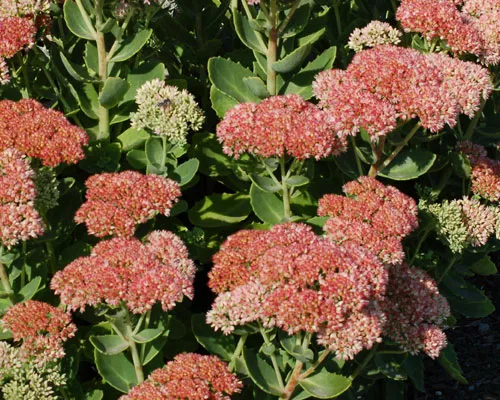
Pink Autumn Joy sedum clustered tightly in a garden bed
Living up to its name, Autumn Joy sedum hits its stride precisely when the leaves start to turn. Plant this thick stonecrop groundcover in mid-summer to secure its signature pink canopy by autumn.
For the highest chance of first-season success, skip the seeds entirely. Purchase nursery plants or bare roots to guarantee immediate fall flowers.
Daylilies
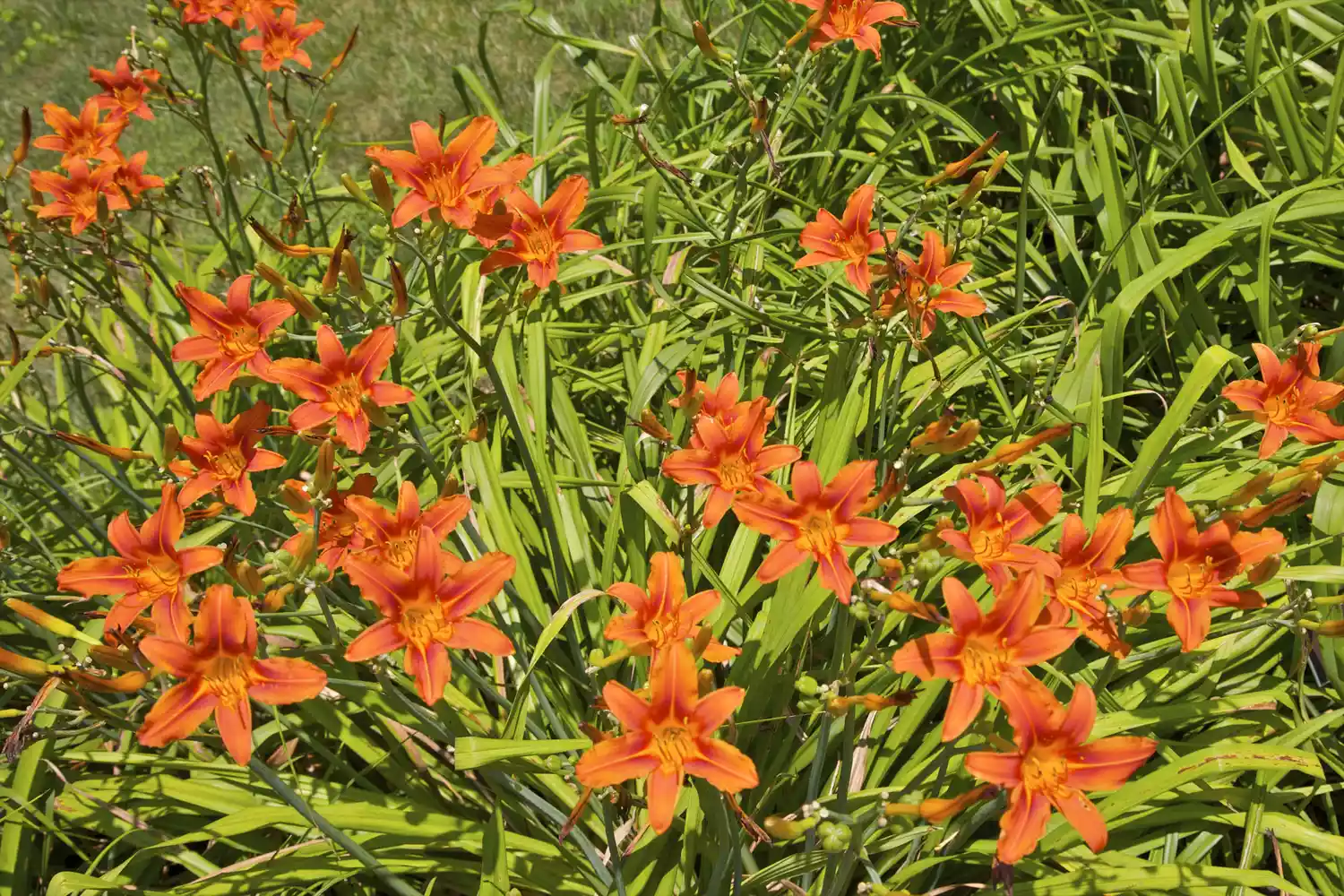
Bright orange daylilies thriving outdoors in the sun
Timing is everything with daylilies. Get these bare roots into the ground with enough summer weather left on the clock, and they will reward you with a distinct fall flush.
Known for their spectacular orange displays, established daylilies reliably bloom continuously from spring all the way through the fall.
Sweet Alyssum
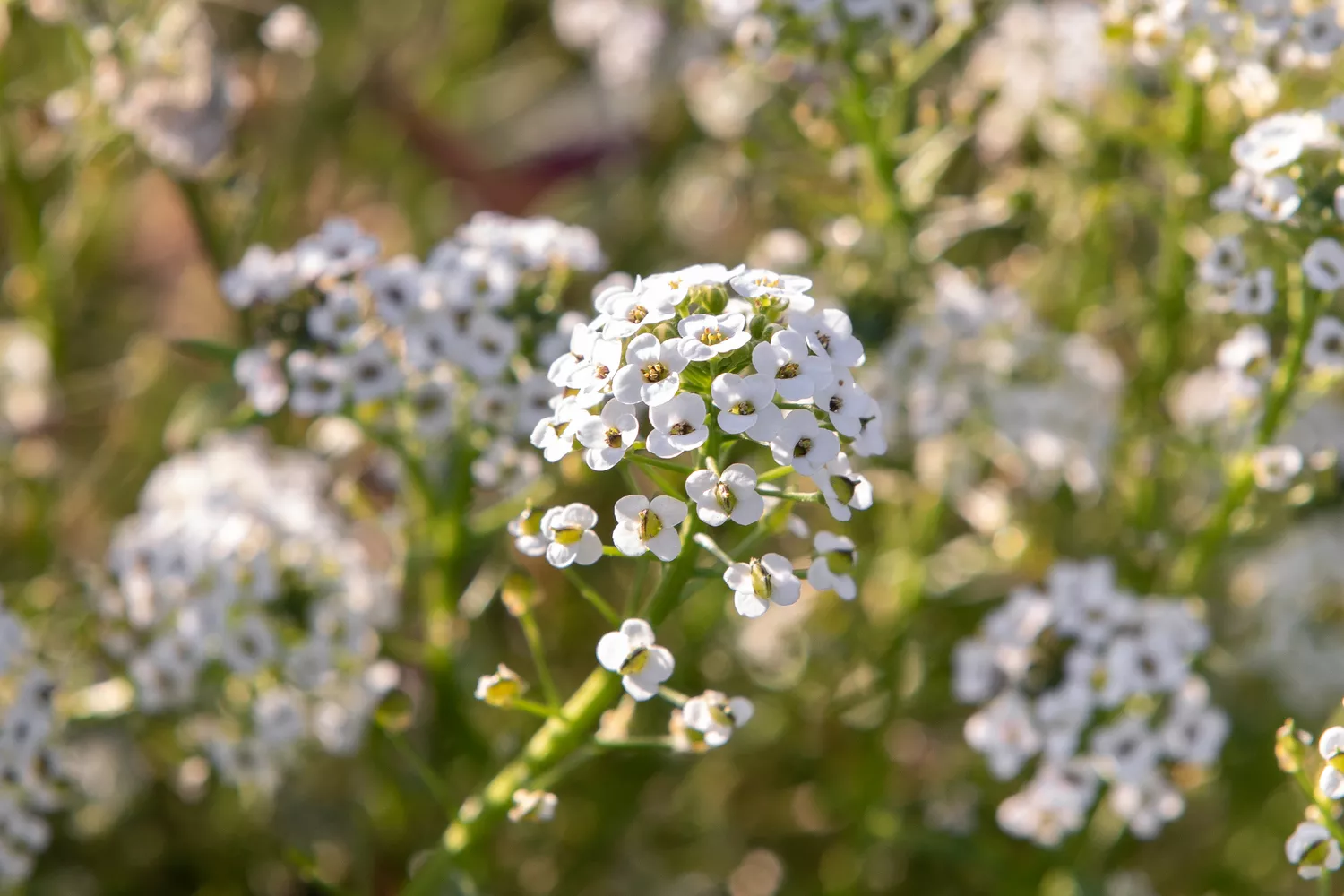
A dense carpet of white Sweet Alyssum flowers covering the topsoil
Few plants blanket empty ground faster than Sweet Alyssum. The transformation from bare seed to a sprawling mat of delicate white flowers takes exactly two months.
Because it operates on a dual spring-and-fall blooming cycle, late July planting guarantees your garden beds will look like a field of snow by September.
Watch the Frost Clock
Success entirely depends on your local frost dates. If the first freeze is still months away, you have a green light to sow seeds.
If frost is looming just a few weeks out, pivot your strategy. Focus on installing established nursery plants that will lock down their root systems now and deliver massive color next year.


