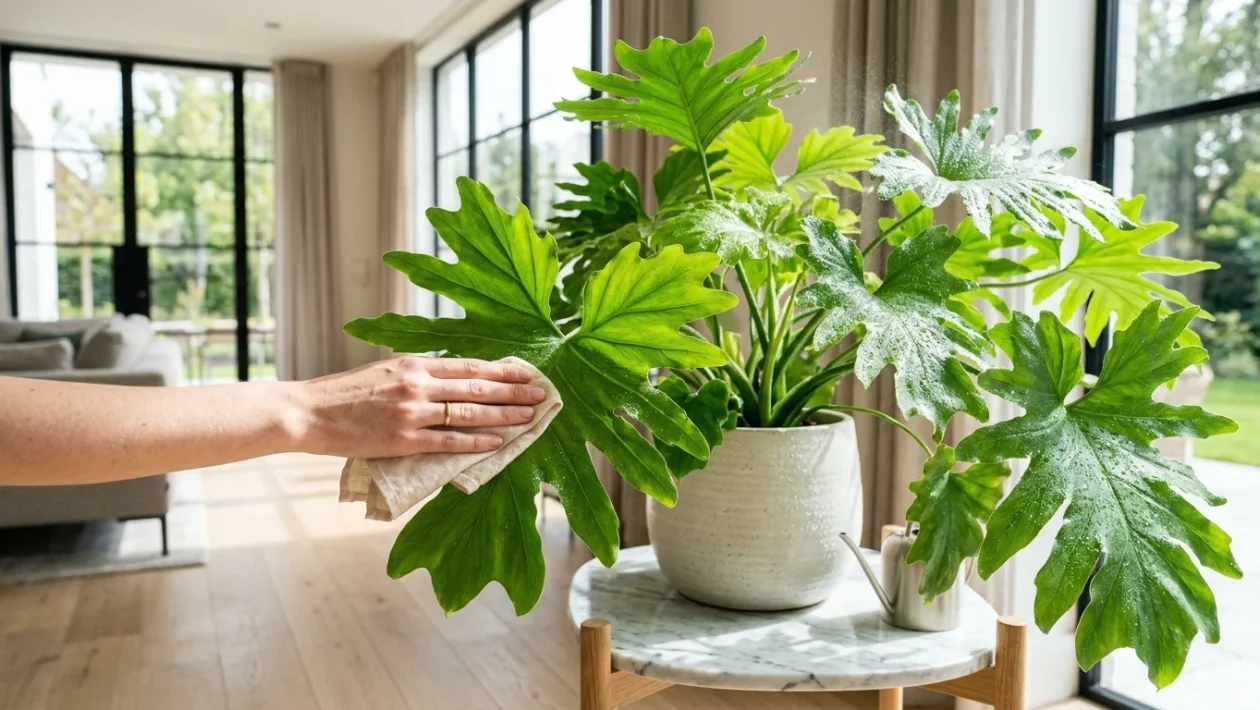
Large, lush green leaves of a Philodendron selloum houseplant
Indoor plants remain a staple of modern home decor. However, interior design enthusiasts are actively shifting their preferences toward options that offer rapid growth and minimal upkeep.
One specific species is rapidly dethroning the classic snake plant. It delivers a vibrant, voluminous aesthetic that instantly transforms indoor spaces.
The Plant Taking Over Living Rooms
The Philodendron selloum, widely known as the tree philodendron, is the new favorite among indoor gardeners.
Its primary draw lies in its massive, deeply lobed, bright green leaves. This striking foliage creates a tropical atmosphere and gives rooms a feeling of expansive freshness.
Unlike many slow-growing ornamental plants, the Philodendron selloum consistently pushes out new leaves under the right conditions. This rapid growth cycle guarantees a lush look in a fraction of the usual time.
Why Homeowners Are Making the Switch
The tree philodendron offers a unique combination of visual appeal and practicality. Several factors drive its surging popularity:
- It grows significantly faster than traditional houseplants.
- The oversized, dramatic leaves add architectural volume to empty spaces.
- It seamlessly complements contemporary, nature-inspired interior design trends.
- It remains easy to maintain, even for complete beginners.
- The plant thrives in well-lit indoor environments.
These traits make it a go-to choice for anyone looking to refresh a room’s layout without committing to high-maintenance gardening.
Essential Care and Repotting Tips
While highly resilient, the Philodendron selloum requires a few basic parameters to truly flourish.
- Place the plant in bright, indirect natural light.
- Keep it completely out of harsh, direct sunlight, which can scorch the foliage.
- Water moderately, ensuring the top layer of soil dries out between waterings.
- Maintain a humid environment to mimic its natural tropical habitat.
- Provide ample physical space for the broad leaves to fan out.
Positioning the plant near a bright window is ideal. Because the leaves spread horizontally as it matures, it belongs in a spacious room rather than a cramped hallway.
Experts recommend repotting every one to two years, particularly when roots begin to crowd the pot. Always use a lightweight, well-draining soil mix to encourage a healthy root system.
A Strict Warning for Pet Owners
Before bringing this tropical centerpiece home, buyers must consider household animals. The Philodendron selloum is toxic to dogs and cats if ingested.
To minimize risks, plant specialists advise the following precautions:
- Position the plant securely out of reach of pets.
- Promptly sweep up and discard any fallen leaves.
- Monitor animals closely for unusual behavior if they interact with the foliage.
Strategic placement ensures this striking houseplant remains a visual asset rather than a veterinary hazard.