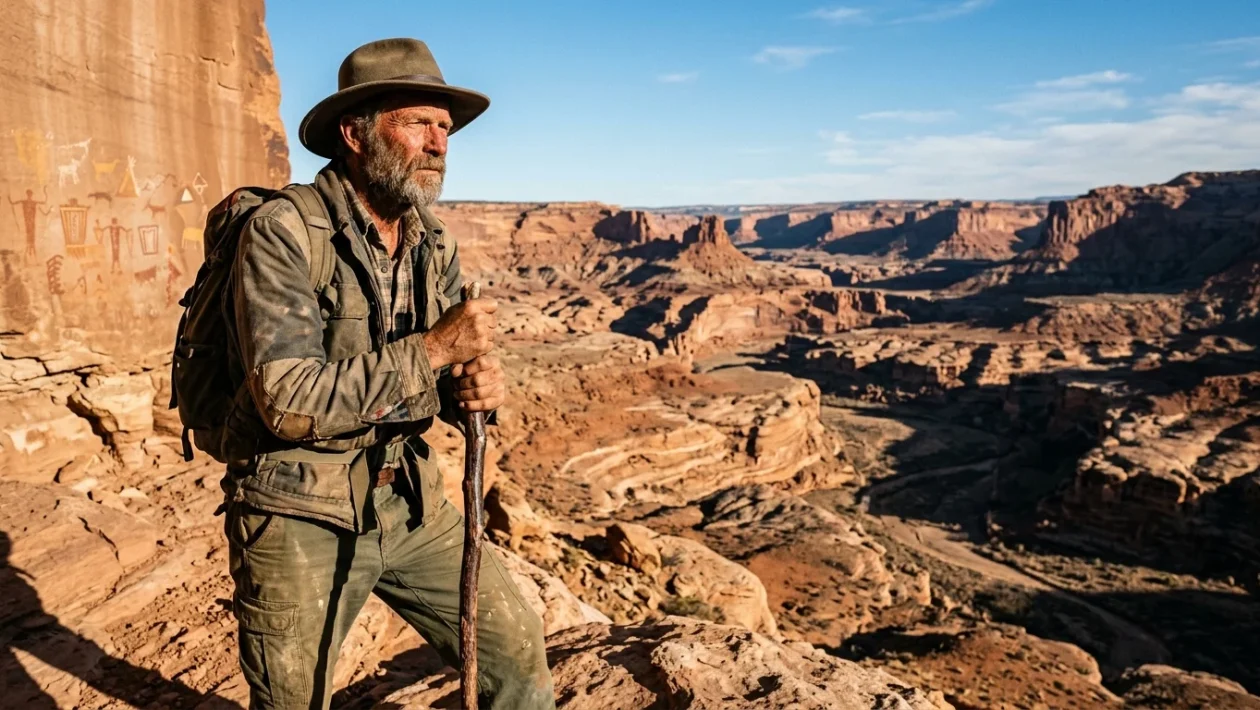
Portrait of William Ott, an experienced hiker who disappeared in the Grand Canyon in 2012.
A Cold Case Closed in the Canyon
Nearly 15 years after vanishing into the unforgiving landscape of the Grand Canyon, the remains of an experienced hiker have finally been identified.
On Tuesday, July 21, the Coconino County Sheriff’s Office announced that human remains discovered this past December belong to 65-year-old William Anthony Ott. The confirmation brings a definitive end to a mystery that began when Ott was reported missing in May 2012.
Members of the Hualapai Tribe found the remains in the same vicinity where the original search operation launched over a decade ago. Working alongside the Arizona Department of Public Safety and the Coconino County Medical Examiner’s Office, investigators used DNA analysis to verify Ott’s identity.
The Final Expedition
According to the National Missing and Unidentified Persons System (NamUs), Ott set out on a solo, three-week through-hike in a remote section of the Hualapai Indian reservation on April 5, 2012.
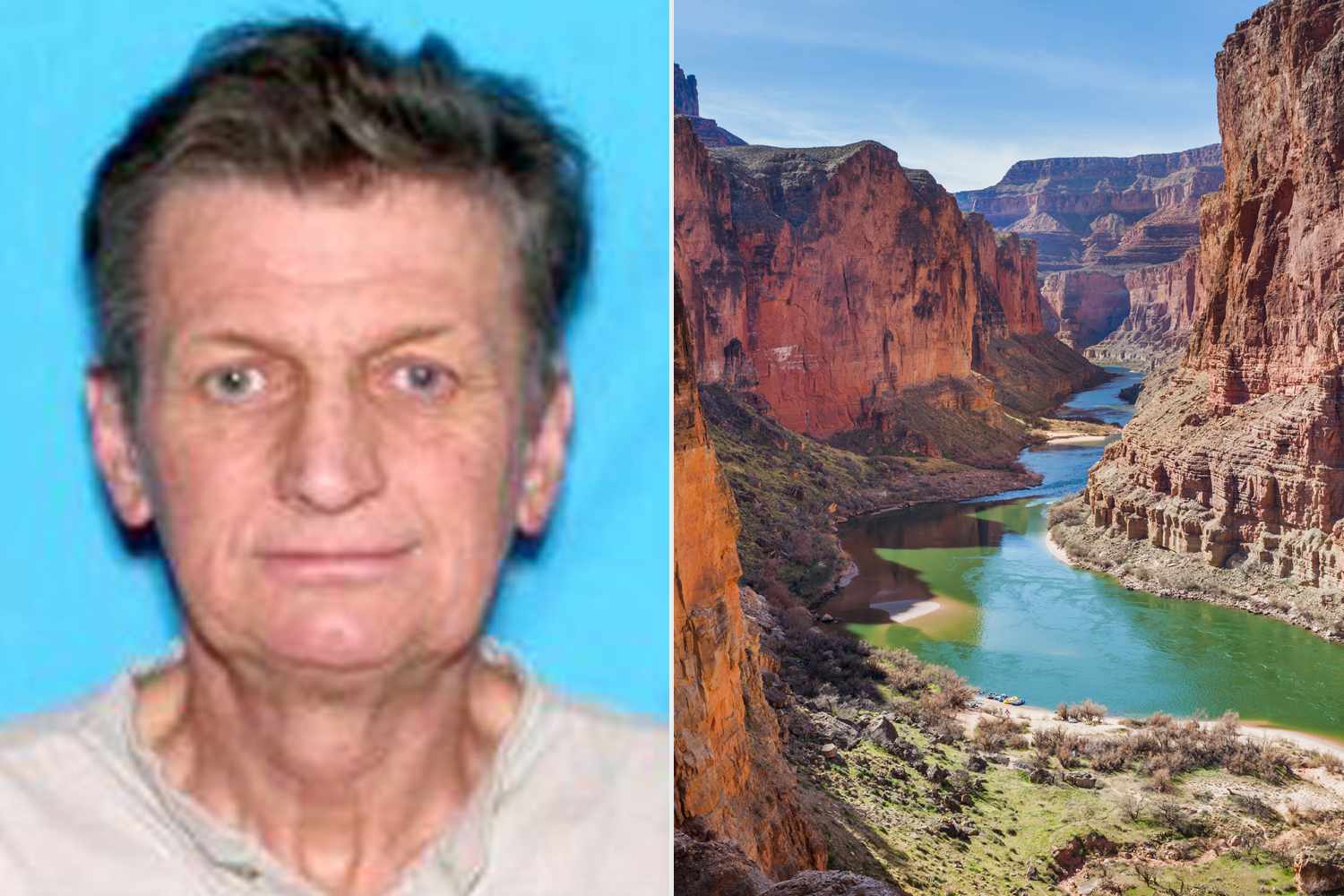
Portrait of William Ott wearing outdoor hiking gear.
He was scheduled to return from his trek by April 28. When he failed to appear, he was reported missing 12 days after his overdue date. Early search efforts by the National Park Service and state troopers yielded nothing.
An Obsession with Ancient Art
Ott was far from an amateur. Anthropologist Scott Thybony, a friend who participated in the initial 2012 search, told public radio station KNAU that Ott was a highly seasoned trekker.
Thybony noted that Ott “spent 78 days walking the length of Grand Canyon in 1981, becoming the first to complete the traverse on the north side.”
His final journey was driven by a deep fascination with history. Ott was hunting for thousand-year-old rock art panels hidden deep within the canyon’s rugged terrain.
“Several times Ott had stopped by my office to talk about his passion, a style of otherworldly rock art painted thousands of years ago,” Thybony told KNAU. “The multi-colored pictographs fascinated him, and being hard to find and even harder to reach added to the attraction.”
Off the Grid and Final Clues
Long before his fatal hike, Ott abandoned a conventional lifestyle. He sold most of his possessions and moved to Cave Junction, Oregon, where he built a cabin using his own hand tools to live completely off the grid.
Despite his deliberate isolation, Ott returned to Arizona annually to explore the Grand Canyon and track down ancient indigenous art.
While authorities have not yet released an official cause of death, the location of the discovery offers a grim picture of his final moments. Thybony told Outside magazine that his friend’s body was found at the base of a 15-foot cliff, and his primary backpack was missing entirely.