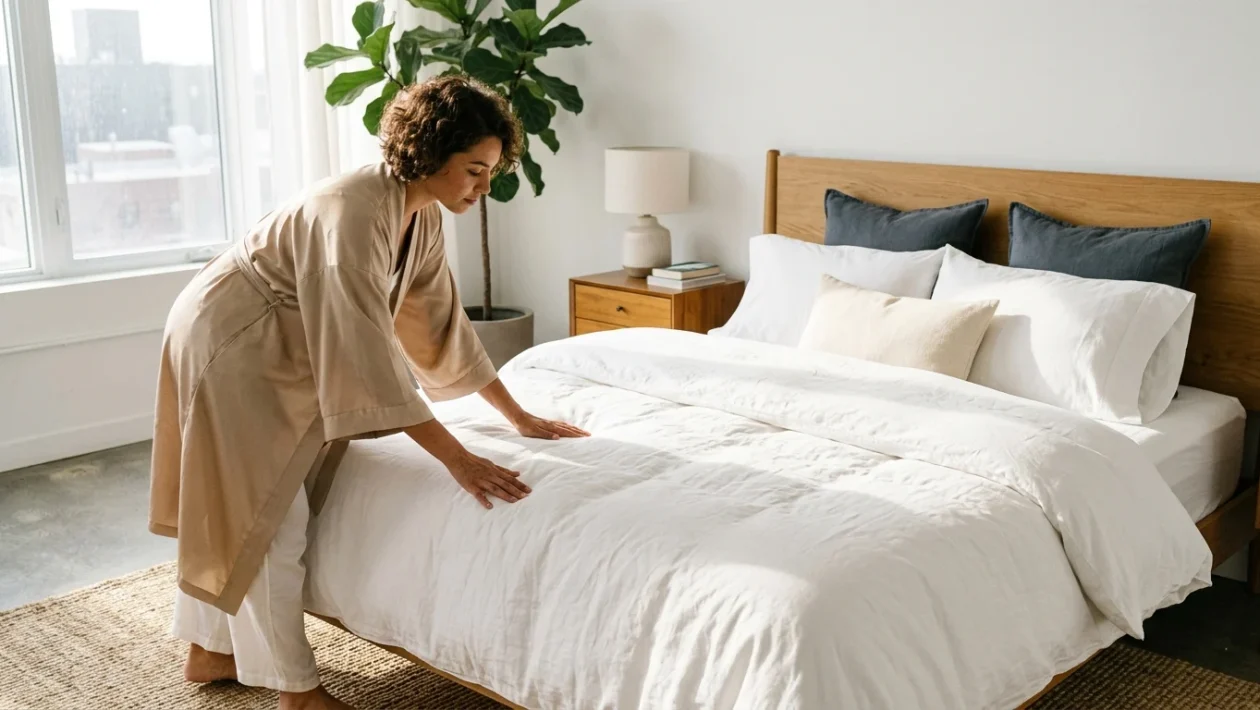
A neatly made modern bed featuring layered white and gray linens in a bright room.
A neatly made modern bed featuring layered white and gray linens in a bright room.
Walking down the bedding aisle presents endless choices of fabrics, thread counts, and colors. However, maintaining those textiles requires a strict, unglamorous routine.
Regular washing prevents the buildup of stains, odors, and fiber degradation. Yet many people remain unsure of the exact timeline for washing and replacing their household linens.
The Standard Washing Schedule
Laundry professionals agree on a strict baseline schedule for household bedding. According to Salvador Villarreal, owner of VIP Cleaners & Laundry, fitted and flat sheets require weekly washing.
Pillowcases endure higher exposure to facial oils and hair products. Villarreal advises washing pillowcases every three to seven days to maintain proper hygiene.
Heavier bedding components have slightly longer lifespans between washes. Duvet covers should enter the wash cycle every two to four weeks, while comforters and duvet inserts need cleaning at least every three weeks.
Adjusting for Pets and Allergies
Sharing a bed with animals drastically alters the cleaning timeline. Pet dander, hair, and outdoor dirt accelerate the accumulation of bacteria in your sheets.
Villarreal states that pet owners should double their washing frequency, cleaning sheets twice a week. Duvet covers and inserts must be washed every two weeks without exception.
Mattress protectors serve as the final barrier against allergens. These should be removed and laundered every one to two months.
Knowing When to Throw Bedding Away
Even with pristine washing habits, bedding has a definitive expiration date. You should replace your sheets every two to five years.
Watch for physical signs of degradation. Permanent stains, thinning fabric, pilling, tears, and a loss of elastic stretch all indicate a sheet set has reached the end of its life.
“Duvet covers generally last longer since they protect the comforter underneath, while fitted sheets wear out first due to constant friction,” Villarreal says.
Kim Romine, a fabric care scientist at Tide, agrees. She notes that fitted sheets undergo the most physical stress and require the most frequent replacement of all bedding types.
Expert-Approved Laundry Boosters
Using the right cleaning agents extends the life of your textiles. Standard detergent often needs an extra kick to remove heavy body oils.
Arm & Hammer Super Washing Soda
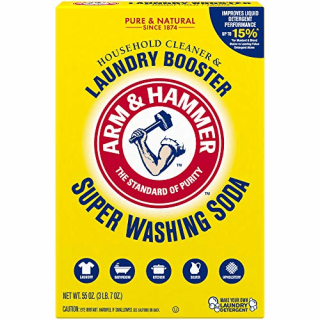
A yellow box of Arm & Hammer Super Washing Soda detergent booster.
This affordable powder consists of sodium carbonate and water, making it far more chemically basic than standard baking soda. It is a highly effective additive for stripping heavily soiled laundry.
Many consumers use it as a base for homemade detergents or to clean pots, pans, and upholstery. However, the manufacturer warns against using this aggressive cleaner on silk, leather, or wool.
OxiClean White Revive
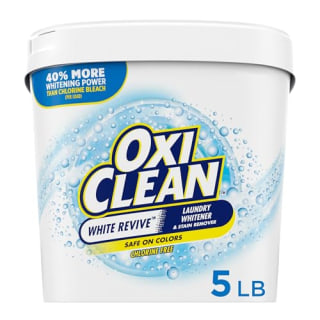
A tub of OxiClean White Revive laundry whitener and stain remover.
Traditional corrosive liquid chlorine bleach can destroy natural bedding fibers over time. Powdered oxygen bleach offers a safer, highly effective alternative for brightening whites.
Soaking sheets in this powder lifts stains and imparts a fresh linen scent without the harsh chemical odor of chlorine. It is equally effective on canvas shoes, uniforms, and athletic socks.
Upgrading Your Bedding Setup
When it is finally time to replace aging linens, selecting performance materials can reduce your laundry burden.
Buffy Breeze Sheet Set
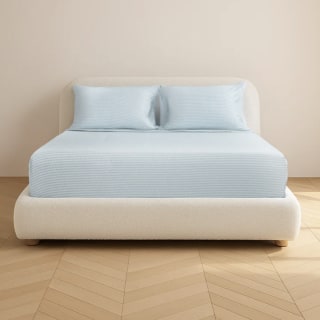
A folded stack of striped Buffy Breeze eucalyptus sheets.
These sheets utilize eucalyptus lyocell, an ultra-soft material known for high breathability. The fabric absorbs and releases moisture rapidly.
By preventing trapped humidity, sleepers sweat less, which directly translates to fewer stubborn sweat stains. The sets come in various sizes, stripes, plaids, and floral patterns.
Utopia Bedding Mattress Protector
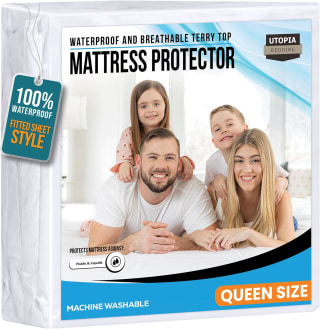
A white waterproof Utopia Bedding mattress protector stretched over a bed.
A reliable waterproof barrier is essential for protecting your mattress investment. This protector fits mattresses up to 17 inches deep and prevents moisture penetration.
It is fully machine washable in cold water. The brand offers multipacks in five distinct colors, ranging from twin sizes up to California king.
Machine Settings and Washing Technique
Proper technique matters just as much as the cleaning products you choose. Villarreal recommends washing sheets in warm water between 90 and 105 degrees Fahrenheit to ensure deep cleaning without causing fiber damage.
Never overload the washing machine drum. Linens require ample space to agitate and rinse freely.
“Skip excessive detergent, since residue leaves fabric feeling stiff,” Villarreal warns. When drying, always use medium heat and pull the sheets from the dryer immediately to prevent deep wrinkles and prolong the fabric’s lifespan.