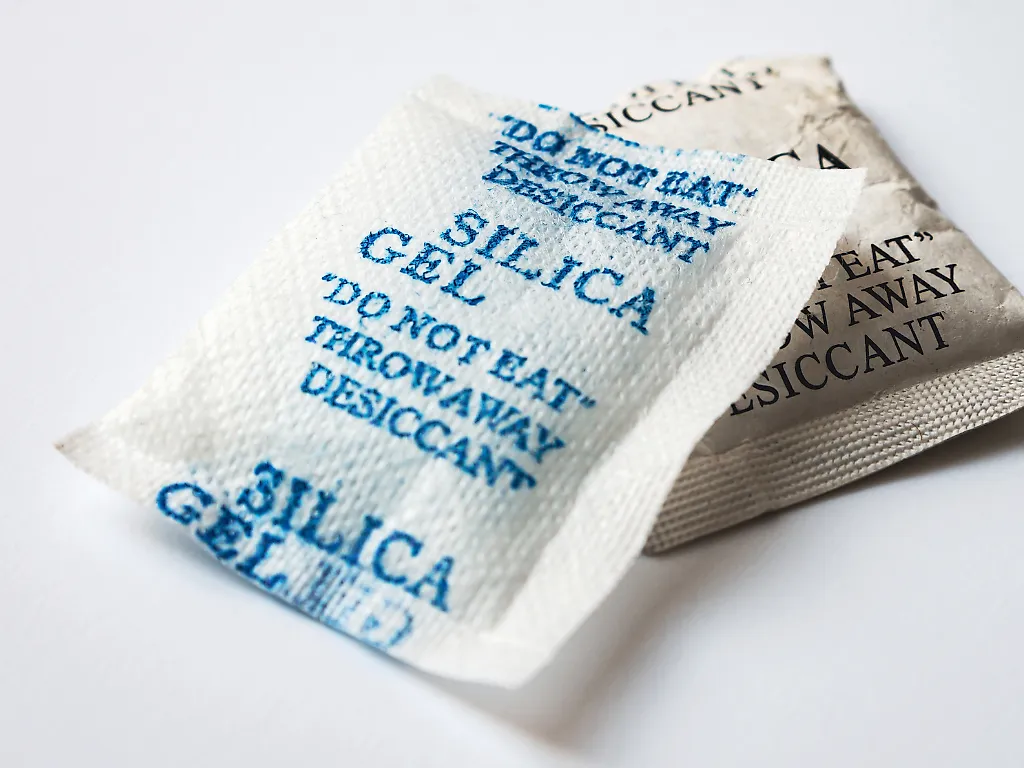
A standard white silica gel packet used for absorbing moisture.
Hidden Value in the Trash
A standard white silica gel packet commonly found in new product packaging.
They drop out of new shoe boxes, leather bags, and electronic packaging. Most people toss these small silica gel bags straight into the trash.
That is a mistake. Manufacturers include these packets to absorb moisture and protect products during transit.
Instead of discarding them, you can easily repurpose these tiny moisture-absorbers throughout your home.
Four Practical Everyday Uses
Silica gel excels at reducing humidity in confined spaces. Tossing a few packets into gym bags, wardrobes, or dresser drawers quickly helps eliminate musty odors.
They also protect irreplaceable items. Storing silica gel alongside important documents, printed photos, and memory boxes prevents irreversible moisture damage.
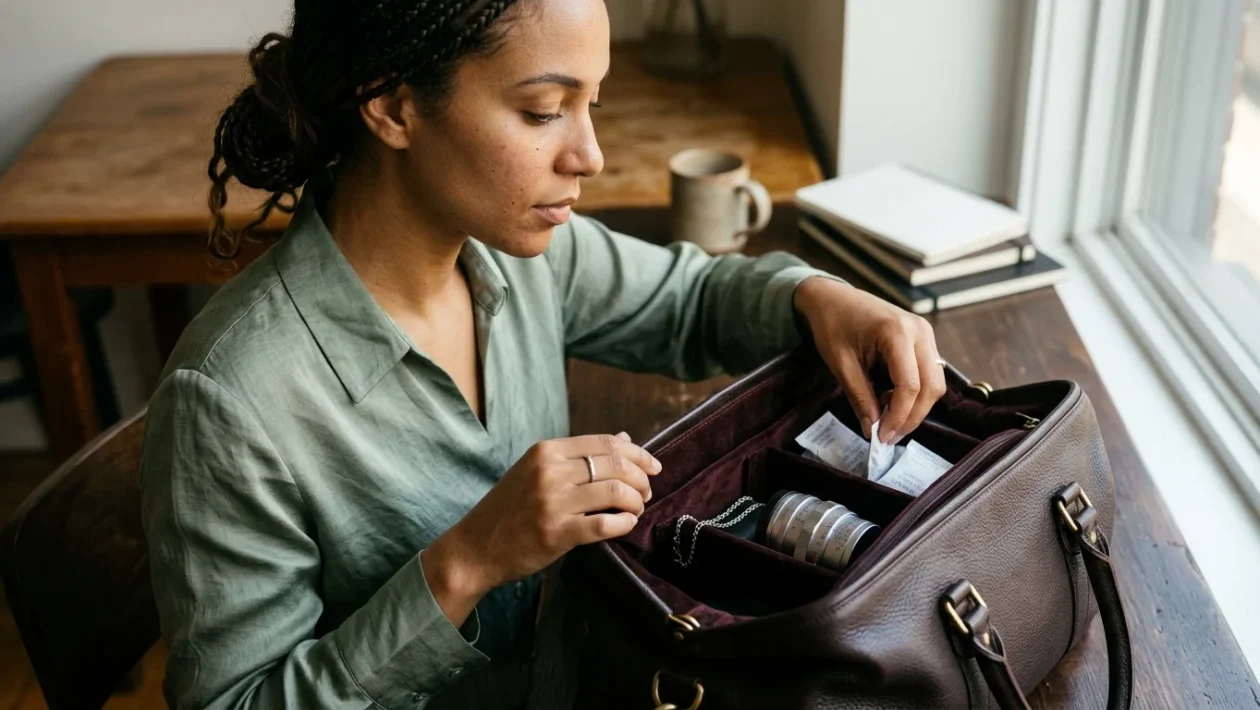
Photographers rely on them, too. Keeping a packet with expensive camera lenses or sensitive electronics wards off condensation.
However, do not expect miracles. If you drop your smartphone in a lake, a silica bag will not replace a professional repair.
Finally, these packets can extend the life of your hardware and accessories. By pulling moisture from the air, silica gel slows down the tarnishing of silver jewelry and stops metal tools from rusting.
How to Recharge and Reuse
Silica gel bags do not expire when they become saturated with moisture. You can simply dry them out and use them again.
According to the North Rhine-Westphalia Consumer Center (Verbraucherzentrale NRW), you can place the original packets in an oven.
Keep the temperature below 80 degrees Celsius if they remain in their pouches. If you extract the raw gel beads first, you can safely bake them at up to 120 degrees Celsius.
Crucial Safety Warnings
Standard, uncolored silica gel is widely considered safe. Still, you must never open the packets or swallow the contents.
Always store them far out of reach of small children and household pets to prevent a choking hazard.
Pay special attention to older, blue-tinted silica gel bags. These vintage variants often contain cobalt chloride as a moisture indicator.
The European Chemicals Agency (ECHA) suspects this specific chemical compound is both toxic and carcinogenic. Consequently, these blue silica gel variants are no longer permitted for sale within the European Union.