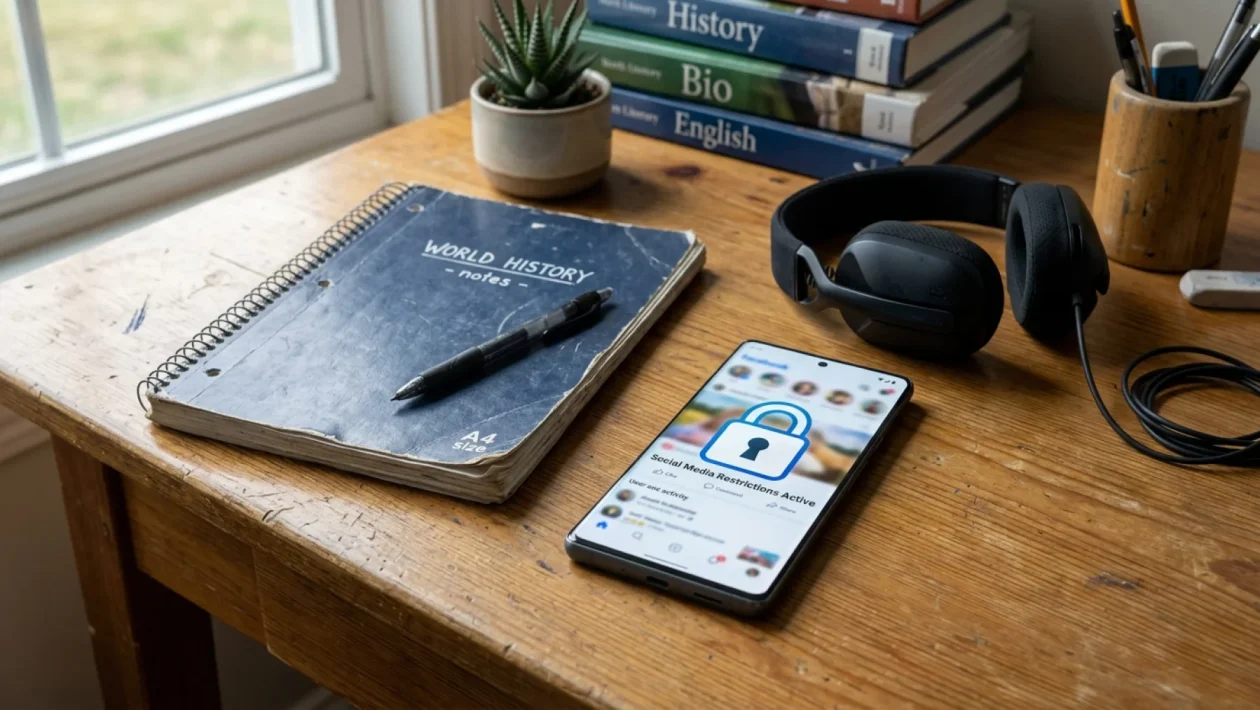
If you have handed a smartphone to a teenager lately, you already know the digital landscape feels like the Wild West. But right now, teen social media laws are sweeping across North America, slapping digital padlocks on apps for anyone under 16.
The real question isn’t whether these government mandates are well-intentioned. It is whether they are actually fixing the teenage mental health crisis, or just forcing our kids to get better at bypassing age gates.
Stick with me. We are going to tear down exactly how these new digital curfews are impacting your household, and I will give you a foolproof blueprint to keep your teens safe without starting World War III in your living room.
Decoding the New Teen Social Media Laws
Governments from Alberta to California have decided they have finally had enough of the algorithmic free-for-all. As of this summer, July 2026, the legislation is officially carrying some serious teeth.
Social platforms are now legally required to verify a user’s age using government ID or third-party facial estimation software. If your kid is under the golden age of 16, they are getting locked out of late-night scrolling and highly targeted ads.
A recent study out of the Centre for Addiction and Mental Health (CAMH) dropped an absolute bomb on this issue. They found that 42% of Canadian teens admit to spending over five hours a day on social platforms.
These new laws are the government’s heavy-handed wrench trying to fix a massively leaking pipe. But legislation alone rarely fixes the whole plumbing system.
How Age Restrictions Are Actually Impacting Kids
So, is the ban working? Yes and no. The immediate impact is undeniable, but it is not all sunshine and improved report cards.
On the positive side, school teachers are reporting a massive drop in first-period exhaustion. Without the endless midnight scrolling, teens are actually sleeping.
However, the backlash is very real. Kids are feeling socially isolated because their primary digital town square has been abruptly boarded up.
Let’s be honest—teenagers are natural problem solvers. Many are turning to VPNs or using older siblings’ credentials to bypass the digital locks.
The restriction has inadvertently created a bizarre black market of digital identities right in our own basements.
“We can build all the digital fences we want, but if we don’t teach kids how to navigate the internet responsibly, they will just dig a tunnel under the fence. Regulation must be paired with education.” – Dr. Michael Geist, Canadian Internet Law Expert
Here is a quick breakdown of what we are actually seeing on the ground since the rollout:
| The Intended Result | The Ground Reality |
|---|---|
| Better sleep schedules | Noticeable improvement in morning energy |
| Reduced cyberbullying | Shifted to private, encrypted group chats |
| Lower screen time | Kids pivoting to unregulated gaming networks |
What Parents Must Do Right Now
You cannot just rely on the government or big tech to parent your kid’s smartphone. If you are on a major network like Telus or Rogers, you already have access to powerful family control tools that go far beyond basic age gates.
The secret is shifting from a warden mentality to a mentorship approach. You need to guide them, not just guard them.
Here is your no-nonsense battle plan for navigating this new digital era:
- Audit the Devices: Sit down and look at what apps are currently installed. Delete the ghost apps and ensure the operating system is updated to support the newest parental controls.
- Set the Hardware Curfew: Do not rely on the app to lock itself. Have a physical charging station in the kitchen where all phones go at 9:00 PM sharp.
- Have the “Algorithm Talk”: Explain to your teen exactly why these apps are restricted. Show them how the software is engineered to hijack their dopamine so they understand you aren’t just being the bad guy.
- Provide Real Alternatives: If you take away their digital social life, you need to replace it. Fund a new hobby, encourage local sports, or just host pizza nights for their friends.
Frequently Asked Questions
Will my teenager get in legal trouble for bypassing age gates?
No. The legal burden of teen social media laws falls entirely on the tech companies, not the end-user. If your kid fakes their age, the platform is the one facing the massive government fine.
Are VPNs dangerous for my kids to use?
They certainly can be. While a paid, premium VPN is secure, free VPN apps often harvest and sell user data. If your teen is downloading sketchy workarounds, they are actively putting your home network at risk.
💡 The bottom line is that legislation will never replace engaged parenting. These new age restrictions are a fantastic speed bump, but you are still the primary driver of your family’s digital habits.
📱 Take action today by having an honest, non-judgmental conversation with your teenager about their online life. You might be surprised by how relieved they are to talk about the pressure they feel on the internet.
🤝 Good luck out there, because raising kids in the digital age is the toughest framing job any of us will ever tackle.
👇 I want to hear from you—how are the new teen social media laws playing out under your roof? Drop a comment below and share your thoughts so we can all figure this out together.