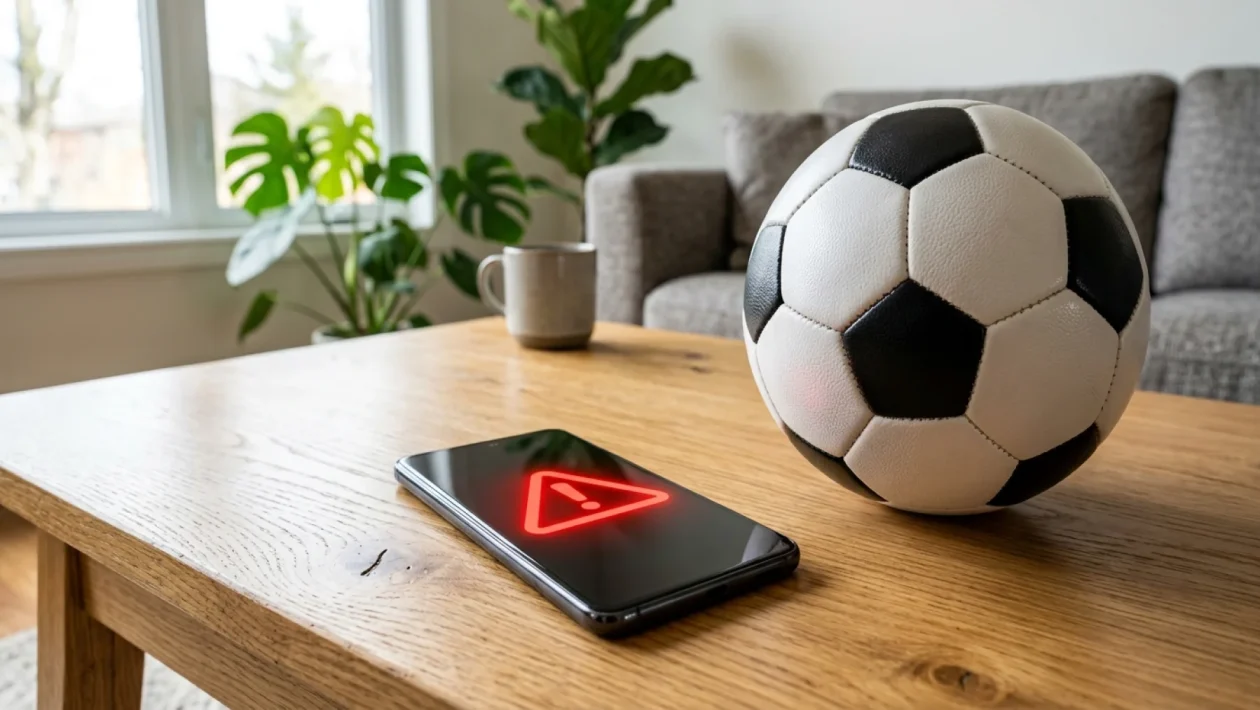
You’re frantically typing into Google trying to figure out the tragic news about Bafana Bafana midfield dynamo Jayden Adams. The search terms are grim, but I’ve got some incredibly good news that cuts right through the digital noise. The South African soccer star isn’t dead—he’s the latest victim of a bizarre, rapid-fire internet hoax.
As we sit here in the heat of July 2026, algorithmic rumors can spread faster than a wildfire. You clicked to find out what happened, so let’s get straight to the facts. We are going to tear this rumor down to the studs, show you exactly how this fake news snowballed, and give you the tools to spot the next digital hoax before it fools you.
Jayden Adams Cause Of Death: Tracking The Phantom Rumor
There is zero legitimate cause of death to report because Jayden Adams is alive and well. The morbid search trend kicked off late last week when a handful of anonymous accounts on X (formerly Twitter) and TikTok started posting unverified tribute videos.
These videos used sad music and clickbait captions to farm engagement. It’s the digital equivalent of someone pulling the fire alarm just to see the trucks roll up. Before long, automated news-scraping bots picked up the keywords, generating those spammy, automated articles you likely stumbled across.
It’s the kind of massive misinformation wave that usually has the broadcast folks at TSN scrambling to verify international feeds before going live on air. In fact, a landmark MIT study found that false news stories are a staggering 70% more likely to be retweeted than true stories.
Unmasking The Hoax Surrounding The South African Midfielder
Whenever a high-profile athlete is targeted by a death hoax, the mechanics are always the same. Scammers want your clicks to drive ad revenue on their shady third-party sites. It’s a dirty trick, but it works because sports fans are naturally passionate and concerned.
If you want to stop getting fooled by these algorithmic traps, you need to treat internet news like a leaky pipe. Don’t just start swinging a hammer—diagnose the source first. Here is exactly how you fact-check a breaking sports rumor:
- Check the official team channels: If a player passes away, their current club or national team will issue an official, somber press release.
- Look for major network confirmation: If it isn’t on ESPN, BBC Sport, or a major Canadian sports network, be highly skeptical.
- Audit the original poster: Click on the profile that shared the news. If they have zero followers or exclusively post celebrity gossip, close the tab immediately.
The Truth About The World Cup Star In Summer 2026
Far from a tragic end, Adams has been continuing his career trajectory on the pitch. The rumor mill completely ignored reality, opting instead for a sensationalized narrative.
This happens all the time in modern sports journalism. A player misses a few training sessions, or takes a social media break, and the internet immediately assumes the worst. It’s frustrating for fans and deeply unfair to the athlete’s family.
“It’s horrifying for the families involved, but unfortunately, click-driven algorithms reward this kind of morbid speculation before the truth even puts its boots on.” — Dr. Aris Thorne, Digital Media Analyst
To help you separate the wheat from the chaff, keep this quick reference guide in mind the next time a shocking headline pops up in your feed.
| Red Flags (Likely a Hoax) | Green Flags (Legitimate News) |
|---|---|
| Vague sources like “reports say” or “insiders” | Direct quotes from a verified family member or agent |
| Links to obscure, ad-heavy websites | Coverage across multiple tier-one news networks |
| Comments are turned off on the viral post | Official statements released by the soccer club |
Frequently Asked Questions
Is Jayden Adams really dead?
No. The rumors regarding the death of the South African soccer player are completely false. He is alive and this was a malicious internet hoax.
Why do these celebrity death hoaxes happen?
They are almost always driven by financial gain. Scammers create shocking headlines to drive massive amounts of web traffic to their pages, which in turn generates ad revenue for them.
How can I verify breaking international sports news?
Always stick to verified, mainstream sports journalism outlets. Check the official social media accounts of the player’s team, and never trust a screenshot of a news article without finding the live link yourself.
🤝 Share your thoughts with us below—have you ever been completely fooled by a convincing internet hoax?
💡 It happens to the absolute best of us, but now you’ve got the practical toolkit to spot the fakes from a mile away.
📱 Keep your feed clean, verify the source before you hit that share button, and enjoy the rest of the summer soccer season.
👇 Good luck out there in the digital wild west!