The devastating death of 18-year-old Nolan Wells this past Fourth of July weekend is a brutal wake-up call for anyone who spends time off the pavement. A holiday boating trip to a Mississippi barrier island ended in absolute tragedy when his crew left without him, proving that the single most dangerous moment in any outdoor adventure is the exact second your group splits up. If you think casually parting ways on a trail or a shoreline is harmless, you are dead wrong. We are going to lock down the exact survival strategies you need to keep your crew intact and guarantee everyone makes it back to the truck alive.
Outdoor Group Safety: The Unforgiving Reality Of The Wild
The woods and the water do not care about your weekend plans. When you step into the wild, you are entering an environment that demands respect and constant vigilance.
The Nolan Wells tragedy has dominated the news this July 2026, and it highlights a deeply unsettling truth about group dynamics. Three white friends and one Black friend went out on the water, but only three came back. While investigations into the exact circumstances continue, the core failure remains painfully clear: someone was left behind.
We often assume that traveling in numbers makes us invincible. But numbers only work if that group actually stays together as a cohesive unit.
Search-and-rescue (SAR) data paints a bone-chilling picture of what happens when that unit splinters. According to the International Search and Rescue Incident Database, hikers who separate from a group are statistically four times more likely to die than those who become lost but manage to stay together.
The Fatal Separation Mistakes Your Crew Is Making
You probably think you would never abandon a buddy in the backcountry. But separation rarely starts maliciously; it usually begins with minor, everyday annoyances.
Differing physical abilities are the number one culprit. When you have a fast hiker pushing the pace and a slower hiker lagging behind, the group naturally strings out. Add in quick bathroom breaks behind a tree or a detour to fill up a water bottle, and suddenly, you have lost visual contact.
Then there is the psychological trap known as the bystander effect. In larger groups, people naturally assume someone else is keeping track of the headcount.
The counteraction to the bystander effect is for someone to actually start assigning people tasks.
That brilliant insight from psychotherapist Dr. Suzanne Wallach is something I tell every single guy I take out into the bush. You cannot rely on group osmosis to keep everyone safe. You need clear, vocal leadership.
And How To Bring Everyone Home Every Single Time
Hope is not a survival strategy. If you want to ensure your entire crew makes it home, you need to lay down ground rules before boots even hit the dirt.
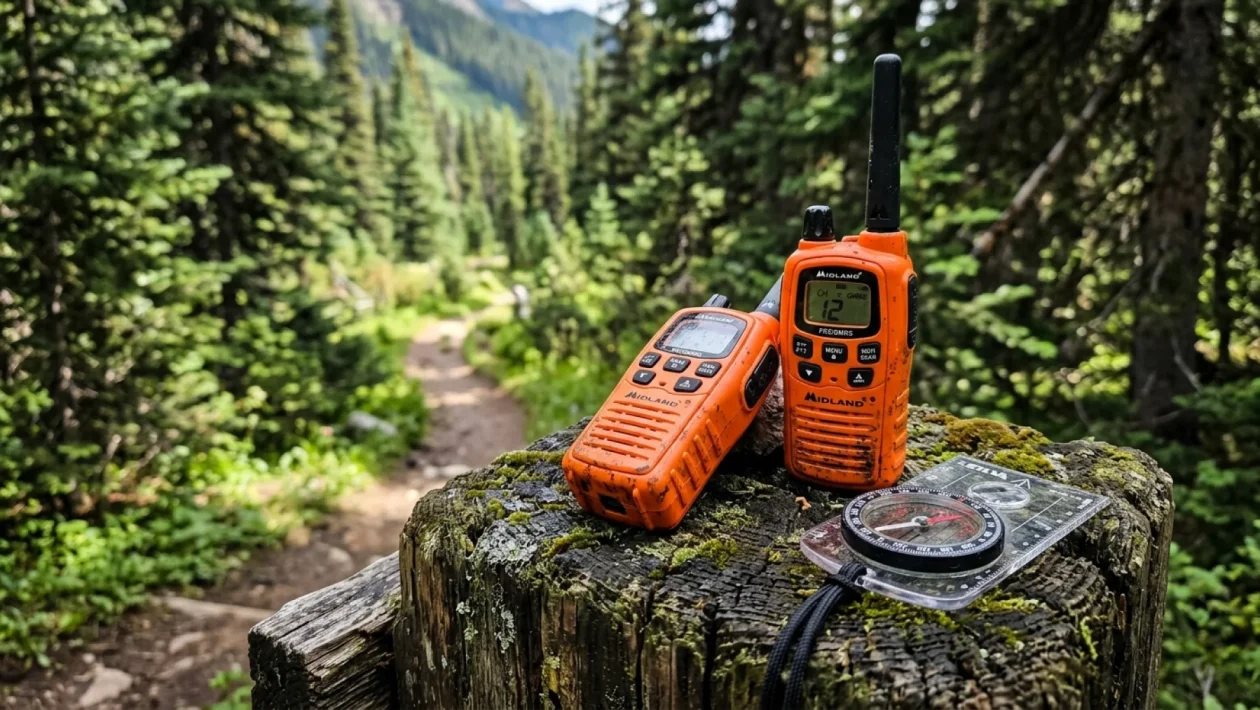
First, swing by a trusted outfitter like MEC (Mountain Equipment Company) and grab a set of FRS radios. You don’t need a special license for them, and they are a massive upgrade over relying on spotty cell service. For deeper wilderness trips, a satellite messenger like a Garmin inReach is non-negotiable.
Next, keep your strongest hikers in the back of the pack. Let the slowest person set the pace at the front. It forces the group to stay compressed and eliminates the chance of someone falling behind unnoticed.
If the unthinkable happens and you realize a member of your group is missing, do not panic and scatter. Execute the proven STOP method immediately:
- Stop: Literally freeze in your tracks. Do not take another step away from your current location.
- Think: Retrace your mental steps. When and where was the absolute last time you saw the missing person?
- Observe: Look for footprints, dropped gear, or broken branches. Check for cell service if you are in range.
- Plan: Assign specific roles. Two people stay at the last known point, while two others safely backtrack a short, agreed-upon distance.
To put this into perspective, look at how the odds stack up when things go wrong:
| Scenario | Survival Outcome |
|---|---|
| Lost but Stayed Together | 98% found alive |
| Separated from Group | Nearly 9% found dead |
Frequently Asked Questions
Do I need a license to use an FRS radio in North America?
No, Family Radio Service (FRS) radios operate on frequencies that are completely free and legal for public use in both Canada and the US. They function exactly like standard walkie-talkies.
What should I do if my group insists on splitting up?
You have to be the bad guy and put your foot down. Agree on a hard meeting point, establish a strict turnaround time, and ensure both groups have independent navigation and communication tools.
Why is the bystander effect so dangerous in the outdoors?
It creates a false sense of security. Because everyone assumes another group member is managing the logistics or watching the stragglers, nobody actually takes responsibility until it is too late.
Final Thoughts On Sticking Together
🤝 Look out for your crew like they are your own family. The wilderness is an incredible place to build bonds, but it is entirely unforgiving of careless mistakes.
💡 Prevention is everything. Have that mildly awkward safety talk at the trailhead before you start cracking jokes and pounding miles. It sets the tone for the entire trip.
📱 Share your thoughts and experiences with group dynamics in the comments below, or send this guide to the buddy who always wanders off.
👇 Good luck out there, keep your eyes on your friends, and always make sure the number of people who walk into the woods is the exact same number that walks out.