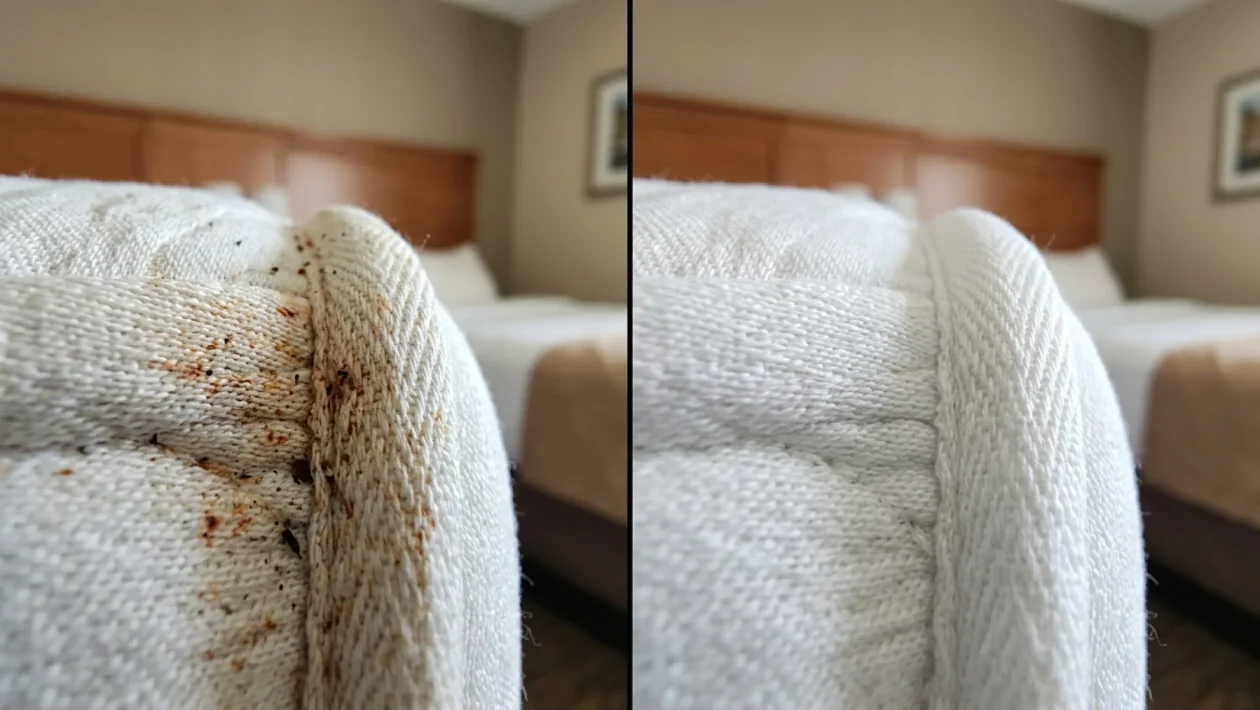
You’ve just dropped your bags in a $300-a-night hotel room, completely unaware that a dozen apple-seed-sized stowaways are already plotting a ride back to your house. Bed bug prevention isn’t just for sketchy roadside motels anymore; these resilient bloodsuckers are currently invading top-tier resorts and short-term rentals across North America faster than you can say “room service.” By the time you wake up with itchy, red welts on your shoulders, the nightmare has already begun.
Right now, in July 2026, we are in the absolute thick of peak travel season. The heat and humidity are driving indoor temperatures up, creating the ultimate breeding ground for these relentless hitchhikers. I’m going to show you exactly how to lock down your suitcase, spot the invisible signs before you unpack, and entirely nuke an infestation if they manage to breach your front door.
How To Spot Hidden Pests In Any Room
Bed bugs do not magically materialize out of thin air. They are master hiders that wedge themselves into the darkest, tightest crevices of human spaces.
According to the latest 2026 data from pest control giant Orkin, major transit hubs like Chicago and Los Angeles are leading the continent in infestations, but popular vacation spots like Myrtle Beach and Greenville are skyrocketing up the warning lists. When you travel, you need to act like a home inspector.
Here is the exact protocol you should use the second you walk into a new room:
- Quarantine the bags: Drop your luggage in the bathroom, preferably in the bathtub, since bed bugs cannot easily climb smooth porcelain.
- Strip the bed: Pull back the duvet, sheets, and mattress protector to expose the bare mattress seams and box spring.
- Hunt for evidence: Look for live reddish-brown insects, tiny white eggs, shed exoskeletons, or small, ink-like rust stains in the corners.
- Check the perimeter: Inspect the cracks of the wooden headboard, nearby nightstands, and any upholstered seating in the room.
How To Protect Your Luggage From Unwanted Hitchhikers
Your suitcase is essentially a luxury cruise liner for insects. Whether you check your bag on a packed flight or toss it into the trunk of a busy rideshare, your belongings are constantly exposed to cross-contamination.
Here is a terrifying hard fact to keep you on your toes: A single female bed bug can lay up to 500 eggs in her lifetime, and these pests can survive for several months without a blood meal. That means one pregnant hitchhiker clinging to your zipper can spawn a full-blown crisis in your home.
To stop this, never place your suitcase on a hotel bed or carpet. Always use an elevated luggage rack, pulling it away from the wall.
“Travel season brings excitement, but it also makes awareness especially important. Bed bugs rarely disappear on their own, making early detection and prompt professional treatment the best way to prevent infestations from spreading.” — Dr. Shannon Sked, Entomologist and National Technical Director.
When you get home, do not drag your suitcase into your bedroom. Unpack in the garage or mudroom, and immediately throw all your travel clothes—even the clean ones—into the dryer on the highest heat setting for 45 minutes.
How To Eradicate Home Infestations Permanently
If you slip up and these pests make it past your front door, you have to act decisively. Panic won’t kill them, but extreme heat and targeted chemistry will.
Vacuuming and washing your bedding in hot water will reduce the visible numbers, but it rarely solves the root problem. To truly reclaim your home, you need to understand the heavy artillery.
| Treatment Method | Effectiveness & Best Use |
|---|---|
| Professional Heat Treatment | Heats the entire room above 120°F. Kills all life stages (eggs to adults) in hours. Highly effective. |
| DIY Chemical Sprays | Products like Raid Max® Bed Bug Foaming Spray kill on contact. Good for spot treatments, but won’t reach deep inside walls. |
| Structural Fumigation | Lethal gas penetrates deep into cracks and furniture. Used for severe, uncontrollable house-wide infestations. |
Always combine professional inspections with proactive at-home steps. Your exterminator will likely need multiple visits to guarantee the job is done right.
Frequently Asked Questions
What do bed bug bites actually look like?
They typically appear as small, red, itchy welts, often clustered together in a straight line or a zigzag pattern on areas of skin exposed during sleep, like your arms, neck, and shoulders.
Can I just starve them out by leaving the house?
Absolutely not. Because they can survive for extended periods without a host, abandoning your home for a few weeks will only make them hungry and waiting for your return.
Do DIY foggers or “bug bombs” work?
No, they generally make things worse. Foggers don’t penetrate the deep crevices where bed bugs hide, and the chemicals often scatter the surviving bugs into neighboring rooms or wall voids.
🤝 Dealing with pests is stressful, but staying vigilant on the road is your strongest line of defense.
💡 A proactive traveler rarely becomes a victim, so make that two-minute mattress check a permanent habit for your family.
📱 Share your thoughts or your own travel nightmare stories in the comments below, and let’s keep our communities informed.
👇 Good luck out there this summer, stay safe, and don’t let the bed bugs bite!