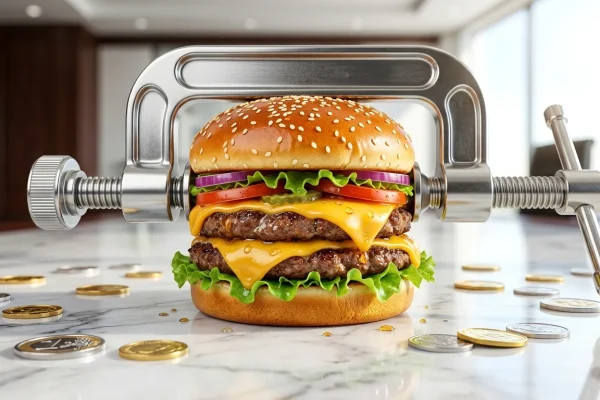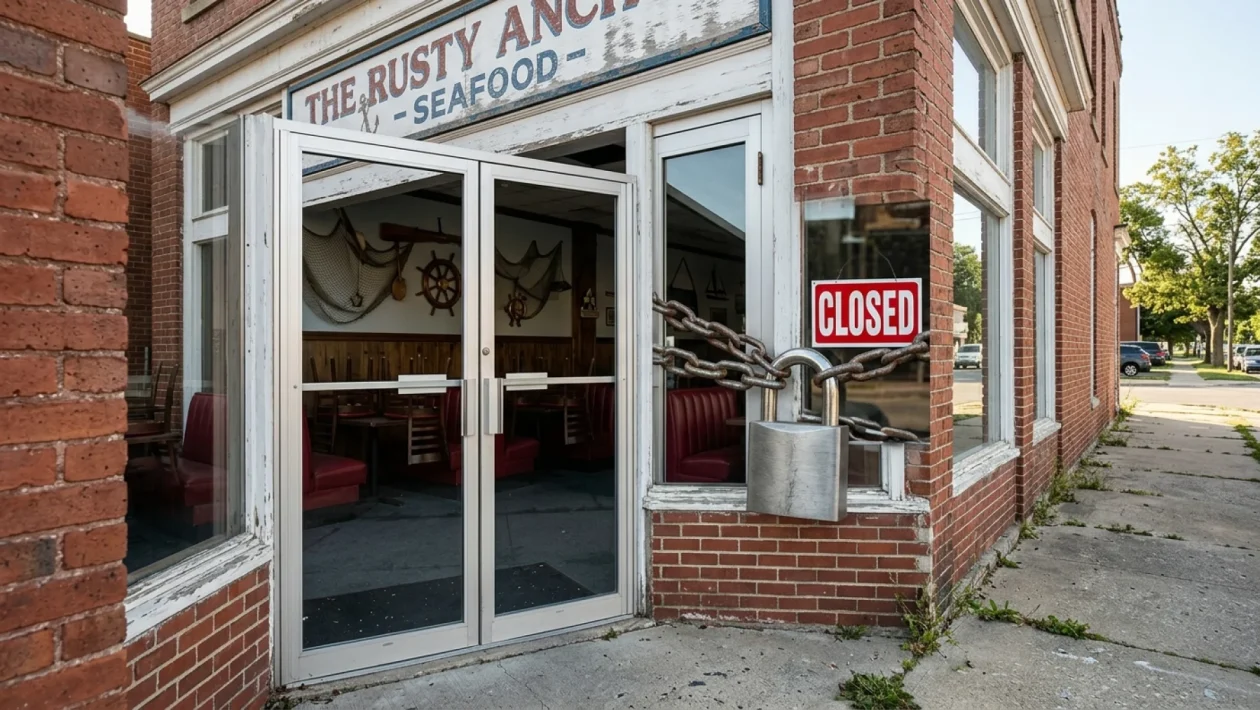
The golden era of the “endless” restaurant promotion is officially flatlining right before our eyes. If you thought a massive $60 million corporate cash injection was enough to save your favorite neighborhood seafood joint, you need to look closer at the numbers.
Right now, in the spring of 2026, we are witnessing the harsh reality of modern restaurant economics. Red Lobster closures are sweeping the map, proving that nostalgia alone can’t pay the rent.
Whether you grew up piling into a vinyl booth at Red Lobster, hitting up Swiss Chalet after a hockey game, or celebrating a graduation at The Keg, the landscape of North American casual dining is undergoing a brutal teardown. I’m going to show you exactly why these heritage brands are bleeding out, and what happens next.
Red Lobster Closures
Let’s look at the canary in the coal mine: Tallahassee, Florida. After 56 years, the oldest continuously operating Red Lobster on the continent is permanently locking its doors on Sunday, May 24.
This isn’t just another struggling franchise fading into the background. This specific location opened in October 1970 and survived decades of economic rollercoasters.
Generations of locals knew head grillmaster Horace Williams, who spent over four decades in that exact kitchen cranking out up to 150 plates of shrimp creole a day. When an institution with that kind of deep community roots goes under, it sends shockwaves through the entire hospitality sector.
What makes this specific shutdown so jarring is the timing. Red Lobster supposedly righted the ship, exiting bankruptcy in September 2024. Fortress Investment Group poured $60 million into the 545 remaining locations to keep them afloat.
Why Historic North American Dining Chains
So, why are historic brands with massive name recognition still failing? It comes down to a toxic cocktail of bloated corporate structures and crushing operating costs.
In 1970, that Tallahassee Red Lobster sold baked oysters for $1.85 and a full steak and lobster dinner for $3.55. Today, those margins are physically impossible to maintain while trying to provide a “family-priced” experience.
Legacy chains are carrying massive overhead that modern fast-casual spots simply avoid. You can’t just slap a “wild-caught” sticker on a revamped menu and expect a younger, budget-conscious demographic to flood through the doors.
“The market is ruthless right now. You can’t cost-cut your way to greatness, and when a brand loses its perceived value in the eyes of the consumer, even a 50-year legacy won’t save it.”
Are Vanishing Fast
The reality behind the curtain is incredibly bleak. Instead of investing heavily in the frontline dining experience, massive restaurant portfolios are trying to trim their way to profitability.
Just months ago, in December 2025, Red Lobster quietly reduced its workforce again. They slashed about 1% of their restaurant-level employees while aggressively gutting their corporate staff by a staggering 10%.
Here is the standard playbook for how a legacy casual dining chain vanishes:
- The Bankruptcy Band-Aid: The company files for restructuring, offloading massive debts and shedding underperforming leases.
- The “Menu Revamp” Hail Mary: Executives push a marketing campaign promising fresh ingredients, new flavors, and a return to the brand’s roots.
- The Slow Bleed: When traffic doesn’t immediately spike, corporate resorts to stealthy layoffs and reducing portion sizes.
- The Real Estate Reality: Parent companies or landlords (like Darden, who holds a massive real estate portfolio) realize the dirt the restaurant sits on is worth more than the business itself.
Let’s look at how drastically the casual dining model has shifted since these legacy brands were born:
| The Legacy Era (1970s-1990s) | The Modern Era (2024-2026) |
|---|---|
| Family-priced steak & seafood | Premium pricing for basic proteins |
| Generous “Endless” promotions | Strict portion control & high food costs |
| Community-focused lifers (like Horace) | High staff turnover & corporate layoffs |
With only around 480 locations remaining across North America, the chain is a shadow of its former self. CEO Damola Adamolekun has made it clear that the roster of restaurants and their leases are constantly under assessment.
Frequently Asked Questions
What is happening to the oldest Red Lobster?
The oldest continuously operating Red Lobster, located on North Monroe Street in Tallahassee, is closing permanently on May 24, 2026. This marks the end of a 56-year run for the historic location.
Can I still buy Cheddar Bay Biscuits?
Yes. Even as physical restaurant locations continue to close down, the wildly popular Cheddar Bay Biscuit mix remains widely available in grocery stores across North America.
Are other major restaurant chains at risk?
Absolutely. The entire casual dining sector is feeling the pinch. While parent companies like Darden operate successful brands like Olive Garden and LongHorn Steakhouse, the overall trend points toward shrinking footprints for oversized, traditional sit-down chains.
The Bottom Line
🤝 It’s tough to say goodbye to the places that built our childhood memories. The smell of fresh biscuits and the excitement of a cracking lobster claw used to be the peak of weekend family dining.
💡 But the restaurant game is evolving. The math simply doesn’t support the massive, sprawling dining rooms of the past, especially when private equity firms are pulling the strings behind the scenes.
📱 Share your thoughts in the comments below. What was your favorite memory at a classic family dining chain, and which brand do you think will be the next to vanish?
👇 Keep an eye on your local spots. If you love a neighborhood restaurant, support them now, because in this current economy, no legacy is safe.