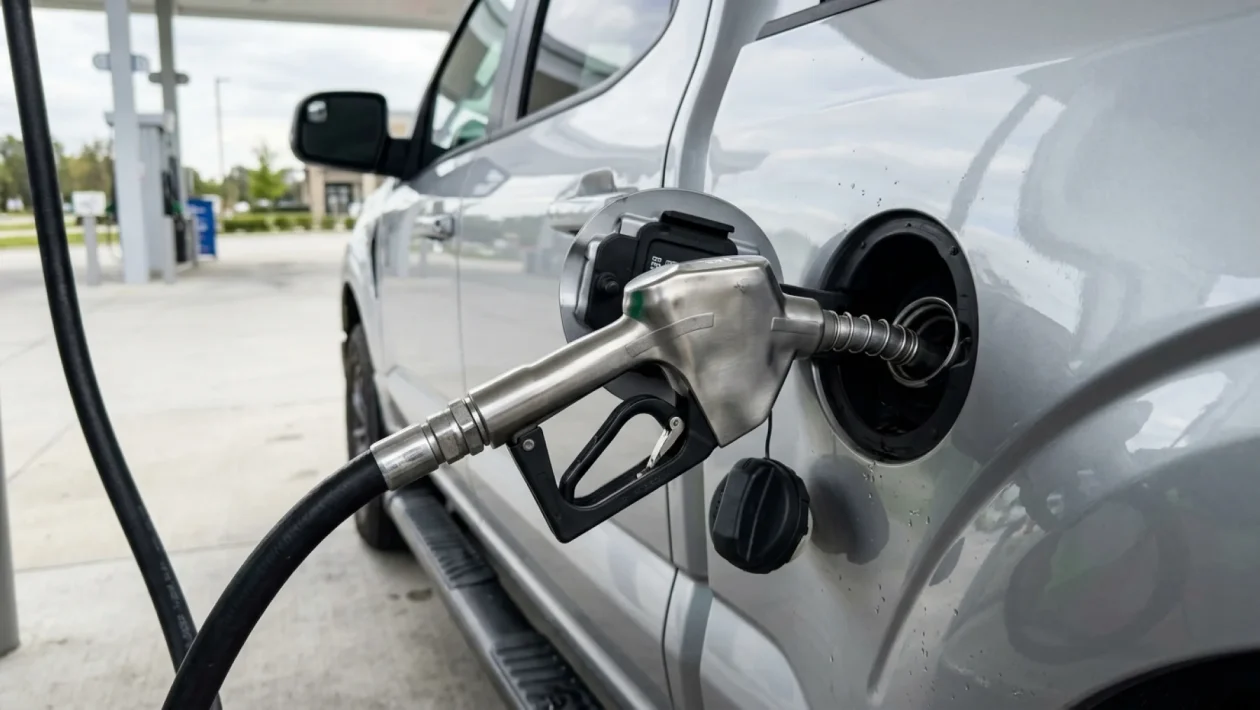
Every time you fill up your truck, you are at the mercy of a narrow, volatile strip of water halfway across the world. For decades, the Strait of Hormuz has been the ultimate global energy chokepoint, dictating pump prices from Calgary to Halifax. But the game has fundamentally changed, and a massive geopolitical bottleneck is being bypassed. Iran has officially fired up oil loading at its new Jask terminal, pushing crude directly into the Gulf of Oman. If you want to understand what is driving the future of global energy supply—and why the old rules of middle-eastern oil transport are dead—you need to look at this massive infrastructure shift.
Strait of Hormuz Bypass: Defusing a Global Chokepoint
To grasp the magnitude of this shift, you have to look at the math. A staggering 21 million barrels of oil pass through the Strait of Hormuz every single day, representing roughly 20% of global petroleum consumption. Up until now, any threat to block this 39-kilometer-wide waterway sent global crude markets into an absolute tailspin.
When international crude prices spike from Middle East anxiety, it instantly ripples into the North American market. For Canadian heavyweights like Suncor Energy or pipeline operators like Enbridge, global volatility dictates the value of Western Canadian Select. By creating a functional bypass route, a massive layer of shipping risk is suddenly stripped out of the global supply chain.
Why Iran’s Jask Terminal is a Feat of Logistics
Moving millions of barrels of heavy liquid across harsh desert terrain is no small task. The Jask oil terminal isn’t just a port; it is the end of a massive, 1,000-kilometer overland arterial network. Instead of tankers sailing into the Persian Gulf, the oil is brought directly to the open ocean.
Here is exactly how this heavy-duty logistical pipeline bypasses the old shipping lanes:
- Inland Extraction: Crude is pulled from the oil-rich Khuzestan province in the west.
- The Overland Push: Powerful pumping stations push the crude through the Goreh-Jask pipeline, running parallel to the Persian Gulf coast entirely over land.
- Coastal Storage: The oil pools in massive coastal storage tank farms at the Jask facility on the Gulf of Oman.
- Offshore Loading: The crude is pumped through sub-sea pipelines to Single Point Moorings (SPMs), allowing supertankers to load in deep water without ever entering the Strait.
How This Shifts Global Oil Flow Forever
As we navigate the spring of 2026, global supply chains are all about efficiency and risk reduction. Tankers no longer have to pay astronomical insurance premiums to navigate a highly militarized zone. This shaves days off transit times for vessels heading toward Asian markets.
Let’s look at a quick breakdown of the old way versus the new way:
| Traditional Route (Kharg Island) | New Route (Jask Terminal) |
|---|---|
| Requires navigating the Strait of Hormuz | Direct access to the open Indian Ocean |
| High maritime insurance premiums | Lower risk, standard shipping rates |
| Slower turnaround time for supertankers | Faster loading and immediate ocean transit |
This isn’t just an infrastructure update; it alters the fundamental balance of energy trading. Tankers load faster, turn around quicker, and avoid the geopolitical crosshairs entirely.
“By shifting export infrastructure outside the Persian Gulf, the leverage moves away from military chokepoints and back to pure supply chain economics. It is a masterclass in logistical redundancy.”
Frequently Asked Questions
Will the Jask terminal lower gas prices in North America?
Directly? No. But indirectly, yes. The Jask terminal creates a more stable global oil supply by removing the threat of a complete Strait of Hormuz blockade. Less panic in the global market generally means fewer sudden price spikes at your local pump.
Is the pipeline fully operational?
Yes. While it saw a phased rollout over the last few years, the Goreh-Jask pipeline and its deep-water loading buoys are now actively filling supertankers on the Gulf of Oman side.
Does this affect Canadian oil exports?
It stabilizes the global baseline. When Middle Eastern oil flows smoothly, Canadian crude pricing remains predictable. Predictability allows Canadian energy producers to plan long-term capital projects without fearing sudden, artificial global market crashes.
The Bottom Line on Global Energy
🤝 Whether you are investing in energy stocks or just trying to budget for your summer road trip, the mechanics of how the world moves oil matter. The Jask terminal proves that infrastructure always adapts to bypass roadblocks.
💡 The next time you hear pundits panicking about the Strait of Hormuz on the evening news, you will know the real story. The world’s energy map has already been redrawn.
📱 I’d love to hear how you think global energy shifts will impact our domestic markets. Drop a comment below and share your thoughts with the community.
👇 Keep your engines running smooth, and good luck navigating the markets this season!