Let’s cut through the thick diplomatic jargon and stop beating around the bush. You’re hearing the chatter on the news, and you want to know if the US Iran deal is finally six feet under.
The short answer? It’s not just dead; the engine is seized, and the keys have been tossed to the bottom of the ocean.
As we sweat through July 2026, the geopolitical landscape looks less like a negotiating table and more like a messy salvage yard. But before you tune out thinking this is just another political soap opera, pay attention.
This breakdown directly impacts global security, your retirement portfolio, and the price you pay at the gas pump. Let me show you exactly how this global machinery fell apart and what the ultimate solution looks like moving forward.
US Iran Deal Breakdown: How the Gears Ground to a Halt
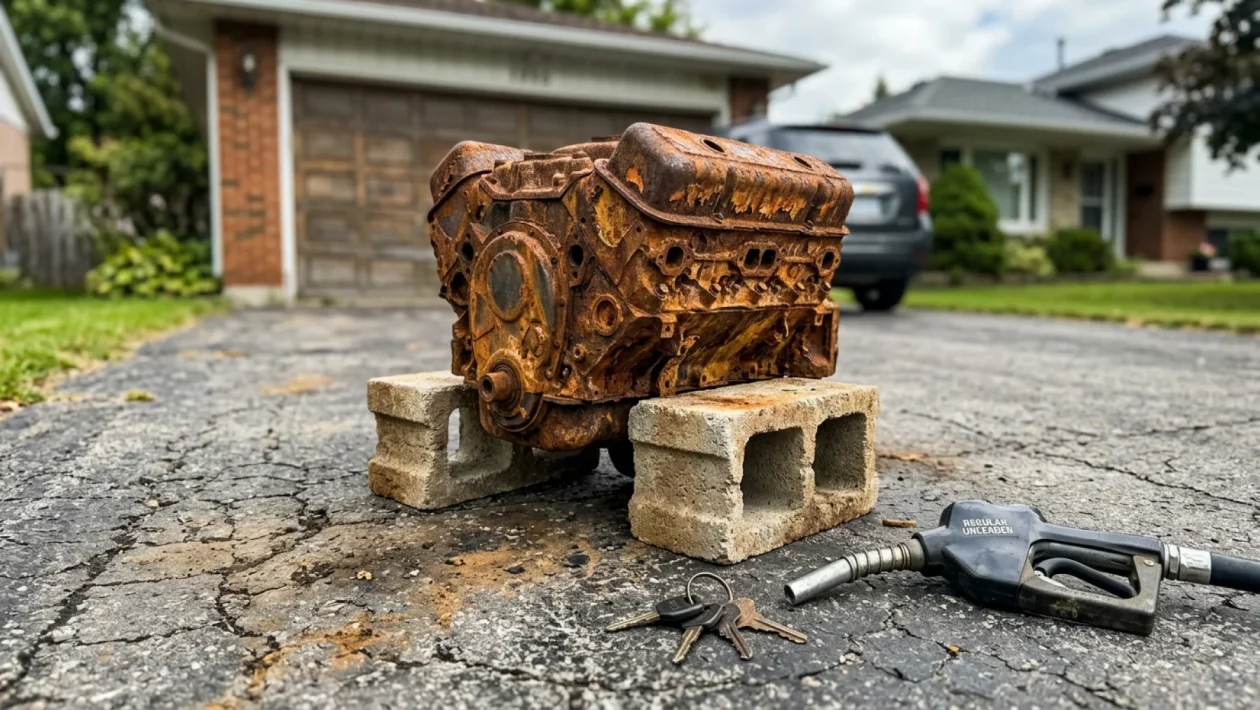
If the original 2015 agreement was a finely tuned V8 engine, the current situation is a rusted-out block sitting on cinder blocks. The US Iran deal didn’t just collapse overnight.
It was dismantled piece by piece. Think of it like neglecting routine maintenance on your truck—eventually, a catastrophic failure is guaranteed.
Here is exactly how the diplomatic breakdown happened:
- The Walkaway: The initial withdrawal shattered the foundation of trust, removing the baseline restrictions on nuclear development.
- The Sanctions Squeeze: Maximum pressure campaigns choked economic lifelines, forcing retaliation instead of compliance.
- The Enrichment Escalation: Without inspectors holding the clipboard, uranium enrichment was cranked up far past civilian use levels.
- The Point of No Return: The technical knowledge acquired during the unmonitored years cannot be erased or unlearned by a new signature on a piece of paper.
A recent hard-hitting report from the Canadian Global Affairs Institute dropped a staggering statistic. Iran’s stockpile of highly enriched uranium is now estimated to be over 22 times the limit set in the original accord.
You can’t just put that kind of genie back in the bottle with a polite handshake.
The Historic Nuclear Agreement: Why We Should Care
You might be wondering why a guy from Toronto or Calgary should care about a Middle Eastern diplomatic treaty. The answer is simple: stability pays dividends.
When the Historic Nuclear Agreement (formally known as the JCPOA) was functioning, it acted as a massive shock absorber for global markets. It kept shipping lanes safe, oil prices somewhat predictable, and military escalation off the front pages.
Without that shock absorber, every pothole on the global stage threatens to break the axle of the economy.
| The Agreement Reality | The Direct Impact on You |
|---|---|
| No binding limits on enrichment | Higher defense spending and global market anxiety |
| Stalled oil sanctions relief | Volatile, often higher prices at the North American gas pump |
| Increased regional proxy conflicts | Supply chain disruptions for tech and manufacturing goods |
I was reading an analysis in The Globe and Mail last week, and it hit the nail on the head. We are no longer living in a world where localized conflicts stay localized.
Officially Dead in 2026? The Final Verdict
So, is the agreement officially dead in 2026? Yes. The framework that diplomats have been trying to resuscitate for the better part of a decade is beyond repair.
The geopolitical reality of Summer 2026 requires an entirely new blueprint. We can’t keep trying to bolt aftermarket parts onto a chassis that has completely rusted through.
“We have crossed the threshold from non-proliferation to containment. The old 2015 parameters are practically obsolete in the face of today’s nuclear realities and shifting global alliances.”
That is the harsh truth. The focus in Washington, Ottawa, and European capitals has entirely shifted. They are no longer trying to revive the old ghost.
Instead, they are building new firewalls. It’s all about regional deterrence, cyber security, and securing alternative energy supply chains so North America isn’t left holding the bag when tensions boil over.
Frequently Asked Questions
Will a dead deal cause local gas prices to spike immediately?
Not necessarily overnight. The market has already priced in the fact that the US Iran deal is dead. However, any sudden military escalation in the Persian Gulf as a result of this dead deal will absolutely cause pain at your local pumps.
Can a new US administration revive the same agreement later?
No. The technical advancements made since the deal collapsed mean the original math no longer works. Any future diplomatic solution will require a brand-new treaty built from scratch.
Does this mean war is inevitable?
No, but it does mean a prolonged period of high-tension “shadow wars.” Think cyberattacks, drone skirmishes, and heavy economic sanctions rather than traditional boots on the ground.
The Bottom Line
🤝 Thank you for sticking with me through this heavy breakdown. Geopolitics can feel like reading a stereo manual in another language, but understanding it gives you a serious edge.
💡 The old deal is gone, but that just means the world is pivoting to a new strategy of containment and energy independence. You can expect North American energy sectors to lean hard into domestic production to insulate us from the fallout.
📱 Share your thoughts with the people in your network who actually care about how the world works. It’s always better to be the guy who knows why the engine is knocking than the one just turning up the radio to ignore it.
👇 Good luck out there this summer, keep a close eye on the markets, and I’ll catch you in the next deep dive.