Imagine the lights going out, the temperature dropping, and the deafening sound of rushing water echoing off tight limestone walls. That is the sheer nightmare unfolding right now in Laos, where a sudden surge has trapped five villagers deep inside a subterranean network, with two more still missing. But pulling them out isn’t just a matter of sending in a few brave guys with scuba tanks.
It is a massive, high-stakes plumbing job. To pull off a successful Flooded Cave Rescue, you have to physically overpower nature and move millions of litres of water before the oxygen runs out. I’m going to walk you through exactly how rescue crews rig up these heavy-duty dewatering systems to perform the impossible.
Flooded Cave Rescue: The Raw Reality Of Underground Emergencies
When an underground system floods, it doesn’t happen slowly like a rising bathtub. It happens with violent, unpredictable force.
Geological data shows that in porous limestone networks, a sudden spring downpour can cause internal water levels to spike violently—sometimes rising up to 10 feet in just 15 minutes. That leaves anyone exploring inside absolutely zero time to outrun the surge.
Right now, in the Xaisomboun province of Laos, rescuers are battling this exact phenomenon. The water is murky, packed with silt, and freezing cold. Standard survival gear, even high-end waterproof headlamps you’d grab off the shelf at MEC, are practically useless when you’re pinned against a cavern ceiling.
How Crews Drain Millions Of Litres: The Heavy-Duty Pumping Playbook
You can’t just drop a sump pump from the local hardware store into a cave and expect results. You need industrial, heavy-duty displacement power.
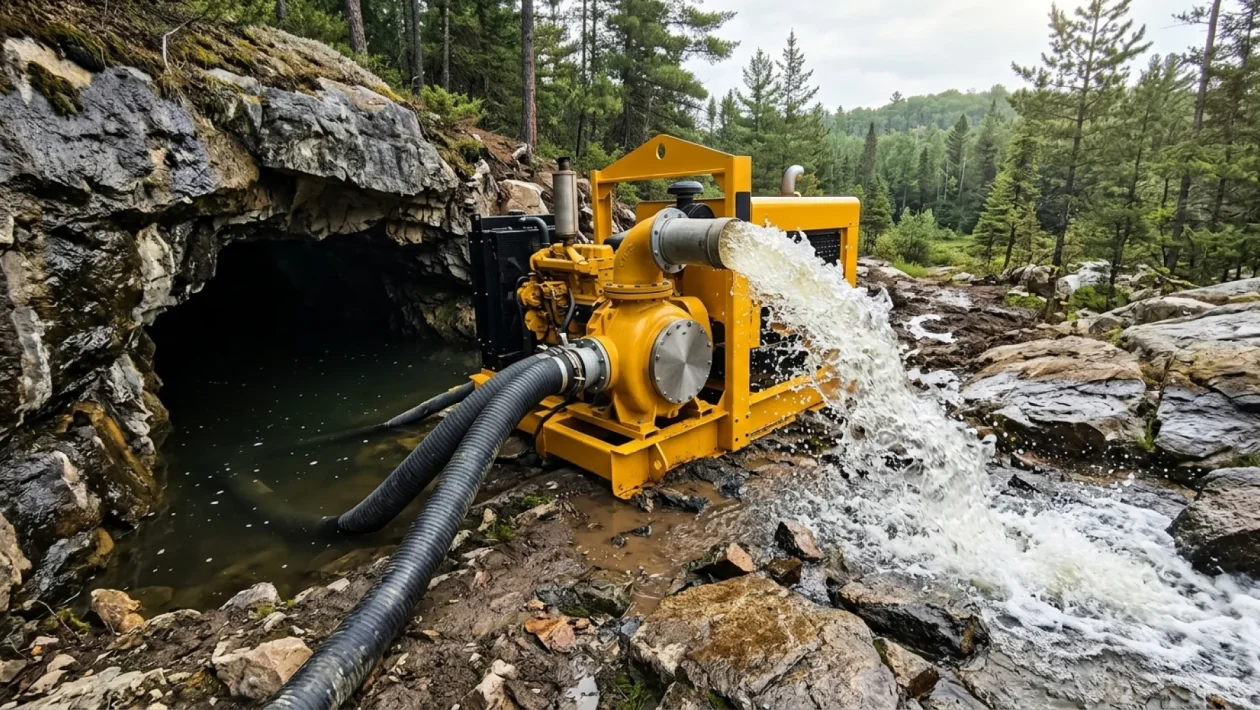
Up here in North America, companies like Canada Pump and Power engineer massive diesel-driven trash pumps just to keep our northern mines dry. The crews in Laos are using similar, aggressive dewatering tactics to literally suck the cave dry so they can walk the villagers out.
Here is how the dewatering process actually works in the field:
- Stage the Intake Lines: Divers blindly swim massive, reinforced suction hoses deep into the flooded choke points.
- Prime the High-Volume Pumps: Diesel engines on the surface fire up, creating an immense vacuum to pull hundreds of gallons of mud, rock, and water per second.
- Reroute the Discharge: Crews must pipe the extracted water far away from the site. If they don’t, the water simply seeps right back down into the limestone aquifer.
To Save 5 Trapped Villagers: The Human Element And Survival Odds
The engineering is fascinating, but the clock is always ticking against human endurance. The five villagers stuck in that dark pocket are dealing with hypothermia, foul air, and sheer psychological terror.
While the heavy machinery runs on the surface, specialized cave divers act as the eyes and ears below. It’s a brutal, exhausting relay race.
“When you are fighting subterranean water, you aren’t just fighting volume—you are fighting gravity, unpredictable currents, and time. The machinery has to run flawlessly, because a stalled pump means the water comes right back.”
Every decision involves a brutal trade-off. Here is a quick breakdown of the tactical choices commanders face on the ground:
| Rescue Tactic | Biggest Drawback |
|---|---|
| Diving the victims out | High panic risk; requires zero-visibility diving skills. |
| Industrial Dewatering | Slow process; requires massive fuel and equipment logistics. |
| Drilling a relief shaft | Extremely inaccurate; risk of collapsing the cavern. |
FAQs About Cave Dewatering And Rescues
Why can’t they just put scuba masks on the villagers and swim them out?
Cave diving is one of the most technical, dangerous sports on earth. Handing a panicked, freezing civilian a regulator in zero-visibility, muddy water almost always results in them fighting the rescuer and drowning. Dewatering the cave is always the safer, albeit slower, option.
How long does it take to pump a cave dry?
It completely depends on the underground water table. In some cases, it takes days just to drop the water level by a few inches. If the spring rains continue, the pumps are essentially just fighting to keep the water level from rising further.
What is the biggest risk for the rescuers on site?
Aside from drowning, electrocution is a massive hazard. Running high-voltage lighting and industrial pumps in a completely soaked, muddy environment requires incredibly strict safety protocols.
Wrapping It Up
🤝 Good luck trying to wrap your head around the sheer scale of this operation without respecting the terrifying power of nature.
💡 The truth is, raw engineering, roaring diesel engines, and human grit are the only things standing between these five villagers and an absolute tragedy.
📱 If you found this breakdown of the current May 2026 Laos rescue mission interesting, share your thoughts with a buddy who loves heavy machinery or survival stories.
👇 Stay safe out there, respect the weather, and never underestimate a spring storm.