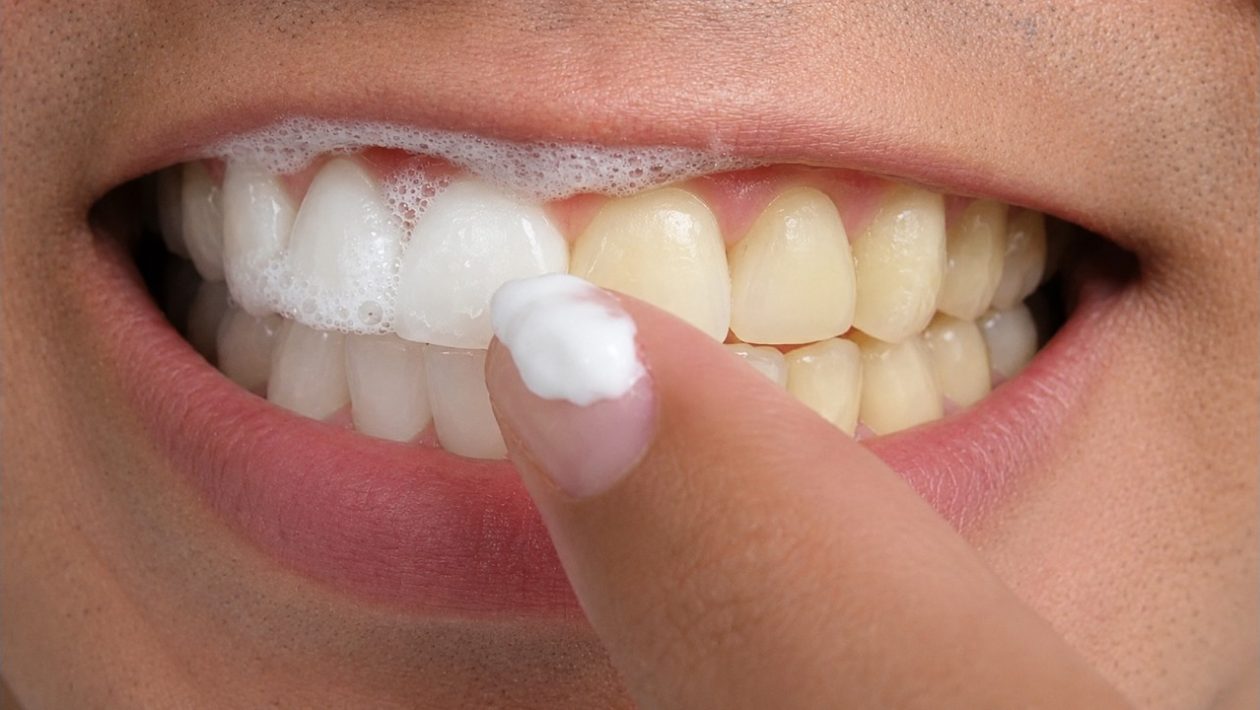
The Two-Minute Myth
The promise of transforming yellowed teeth into a Hollywood-bright smile in exactly two minutes is a staple of viral social media content. While the speed is attractive, dental health requires a more nuanced approach. It is critical to understand that true whitening is a chemical process, not a mechanical scrub.
Most DIY “hacks” promising instant results rely on abrasive substances. While these can physically remove surface-level debris, they often do so by stripping away your enamel. Once that protective layer is gone, it never grows back, leaving your teeth more prone to sensitivity, decay, and—ironically—eventual yellowing as the underlying dentin becomes more visible.
Understanding Enamel and Staining
To brighten your smile effectively, you must understand the difference between extrinsic and intrinsic stains. Extrinsic stains sit on the surface of your teeth, typically caused by coffee, tea, wine, and tobacco. These are the stains that respond best to dental-grade hygiene and whitening products.
Intrinsic stains are different. They exist deep within the tooth structure, often caused by aging, trauma, or certain medications. No amount of two-minute surface scrubbing will reach these stains. If you are targeting deep discoloration, surface treatments will consistently fail to meet your expectations.
Safe Home Whitening Methods
If you want to whiten your teeth without damaging your enamel, look toward proven, dentist-approved strategies. Consistency beats speed every time.
- Hydrogen Peroxide-Based Strips: Over-the-counter whitening strips use a diluted concentration of hydrogen peroxide. When applied for the manufacturer’s recommended time, they safely break down stains at a molecular level.
- Whitening Toothpastes: These utilize mild abrasives and chemical agents that help prevent new stains from setting. Use these as a maintenance tool rather than an instant transformation kit.
- The Role of Hygiene: Nothing brightens a smile like consistent flossing and professional cleanings. Removing plaque buildup prevents the yellowing that accumulates between teeth where brushes cannot reach.
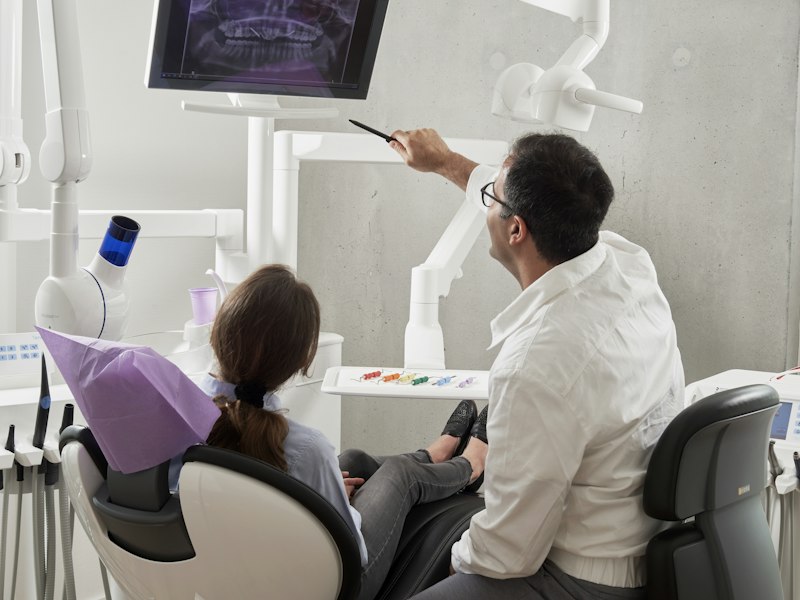
Routine dental care and plaque removal remain the most effective ways to maintain tooth brightness.
When to Consult a Professional
If you have crowns, veneers, or significant fillings, at-home whitening products will not change the color of these dental materials. Only your natural tooth enamel reacts to whitening agents. If you attempt to bleach your teeth while having restorative work, you may end up with a mismatched smile.
Furthermore, if you experience sudden pain or sensitivity, stop all whitening treatments immediately. High-intensity DIY methods often involve ingredients that can irritate the gums or cause micro-cracks in the enamel. Always prioritize the integrity of your dental structure over the speed of the result.
The Bottom Line
A brighter smile is achievable, but it is not a two-minute process. Reliable results come from using products with proven track records and maintaining excellent daily hygiene. If a method claims to be instant, it is likely using abrasive tactics that will compromise your oral health in the long run.
Consult with your dentist to determine the cause of your tooth discoloration before purchasing products. A professional exam can rule out underlying issues that bleaching alone cannot fix, ensuring your journey to a whiter smile is both safe and effective.