The Case for Homemade Butter
Walk through the dairy aisle of any supermarket, and you are faced with dozens of options, most of which have been sitting on a shelf for weeks. While convenient, mass-produced butter often lacks the vibrant flavor and silky mouthfeel of the real thing.
Making your own butter at home is not a complex culinary feat reserved for dairy farmers. It is a straightforward physical process that transforms basic heavy cream into fresh butter and buttermilk in less than five minutes.
What You Need
Complexity is the enemy of good kitchen habits. To make butter from scratch, you only need one core ingredient:
- Heavy whipping cream: Aim for a high-quality, cold cream with at least 35% fat content.
- A food processor or high-speed blender: These tools drastically reduce the time compared to traditional hand-churning.
- Ice-cold water: Essential for the final rinsing stage to ensure longevity and texture.
The Step-by-Step Process
Pour your chilled heavy cream into your food processor. Start blending on medium-high speed. You will see the cream pass through several stages: first, it will thicken into whipped cream, then it will become stiff, and finally, it will reach the “break” point.
At the break point, the mixture will suddenly look grainy, and you will see a clear, watery liquid separate from the yellow solids. That liquid is fresh buttermilk—do not discard it, as it is excellent for baking.
Refining Your Butter
Once separation occurs, strain the mixture using a fine-mesh sieve or cheesecloth. You are left with a clump of yellow butter solids. The secret to professional-tasting butter is the rinse.
Place the butter in a bowl and pour ice-cold water over it. Use a spatula to press and fold the butter against the sides of the bowl. This action squeezes out the remaining buttermilk trapped inside. If you skip this, your butter will spoil quickly and have a slightly sour, fermented taste.
Repeat the rinsing process with fresh ice water until the liquid remains clear rather than cloudy. At this stage, you can add a pinch of fine sea salt if you prefer salted butter.
Storage and Serving
Because you have removed the preservatives found in commercial brands, homemade butter is best used within a week. Store it in an airtight container in the refrigerator.
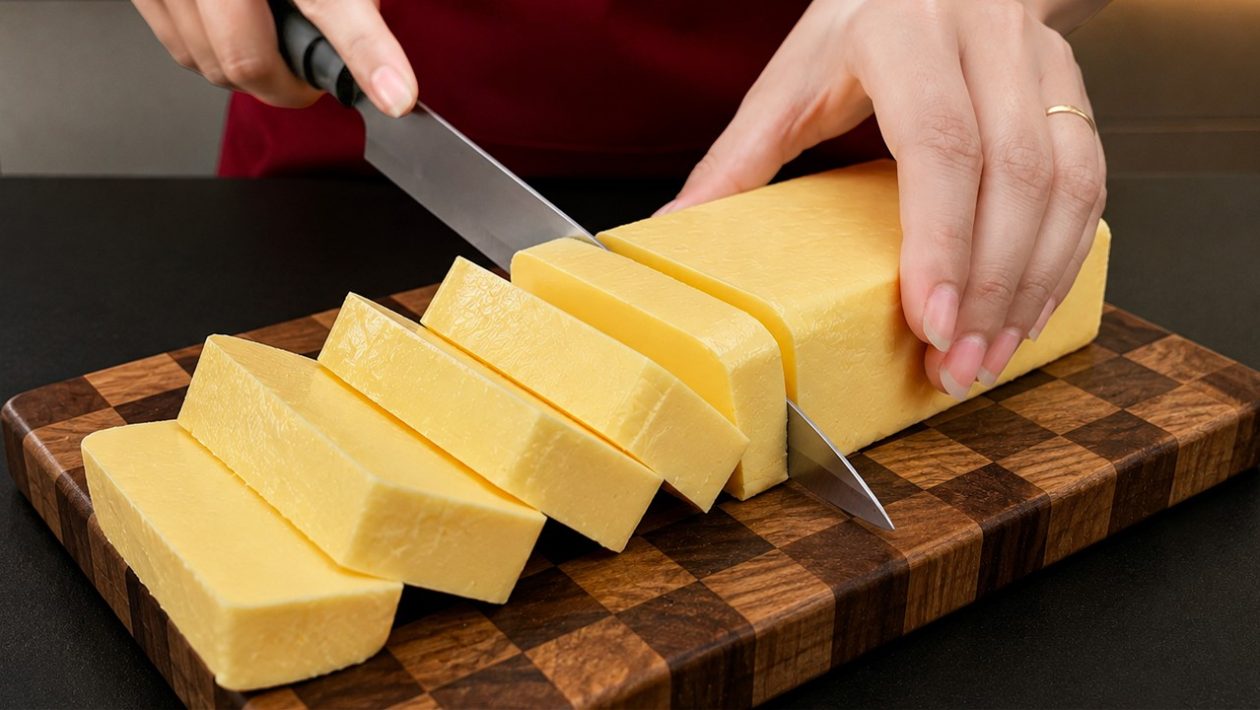
The flavor profile of fresh, handmade butter is cleaner and more pronounced than anything you will find in a foil wrapper. Whether you are melting it over pancakes, whisking it into a pan sauce, or simply slathering it on a warm piece of sourdough, the difference in quality is immediately obvious.
You can effectively manage the texture by adjusting how much you work the final product. A gentle touch keeps it creamy, while over-working it can make it dense. Experiment with herbs, garlic, or honey during the final mixing stage to create compound butters that elevate everyday meals without the added cost of premium store-bought varieties.