The Chemistry of the Fizz
At its core, the reaction between Coca-Cola and baking soda is a classic demonstration of acid-base chemistry. While it is often presented as a parlor trick or a social media stunt, the underlying science is straightforward and predictable.
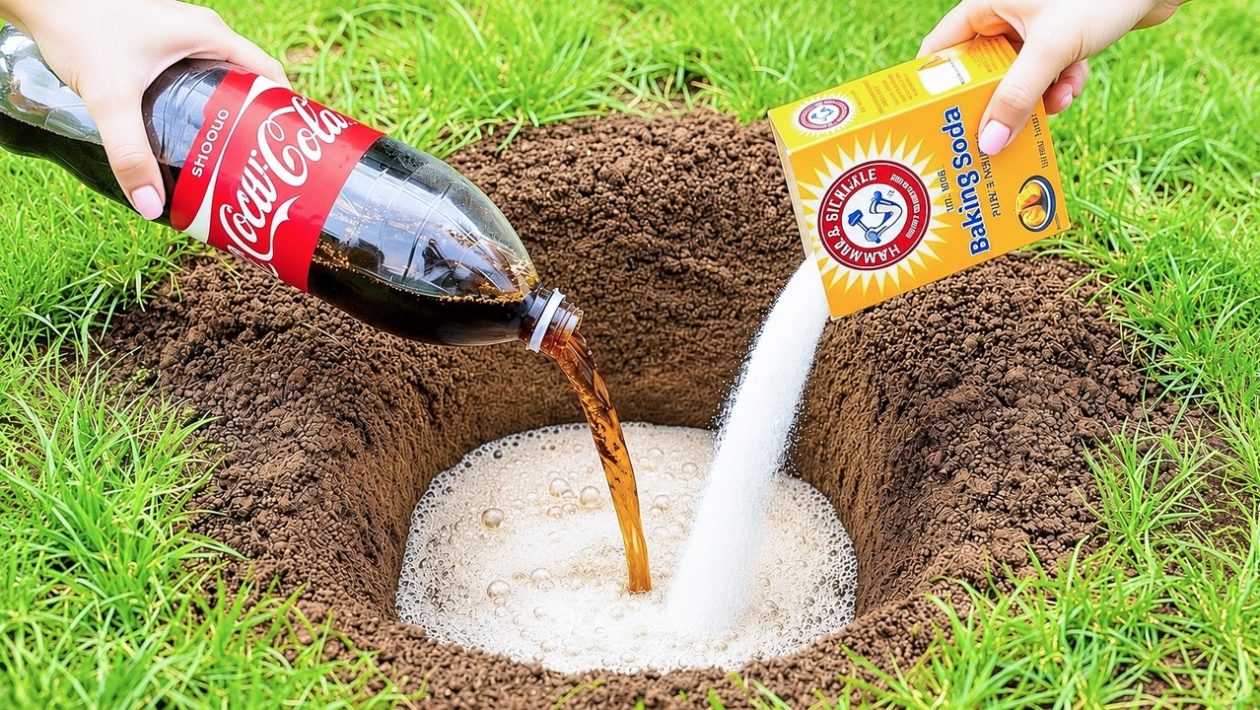
Coca-Cola contains phosphoric acid and carbonic acid (dissolved carbon dioxide). Baking soda, or sodium bicarbonate, is a basic compound. When these two substances meet, they engage in an immediate acid-base reaction that releases a rapid burst of carbon dioxide gas.
Understanding the Reaction
When you introduce sodium bicarbonate to an acidic liquid like soda, the ions exchange rapidly. The hydrogen ions from the acid react with the bicarbonate ions to form carbonic acid. This compound is inherently unstable and quickly decomposes into water and carbon dioxide gas.
The “eruption” effect is amplified by the surfactants and carbonation already present in the soda. As the CO2 is produced at an accelerated rate, it forces the liquid to expand into a foam, escaping the container or hole in a violent, bubbling display.
Practical Applications vs. Myths
There are many claims floating around the internet suggesting that this mixture can clean drains, remove rust, or perform heavy-duty maintenance tasks. While the physical agitation of the bubbling action can occasionally help loosen light debris, it is rarely the most effective tool for the job.
Professional plumbers typically advise against relying on “home chemistry” for major blockages. While the reaction is fun to observe in an outdoor setting, it lacks the enzymatic or chemical potency required to dissolve significant organic obstructions, like hair or solidified grease, in household piping.
Safety and Considerations
If you choose to experiment with this reaction, keep these principles in mind:
- Perform outdoors: The reaction is difficult to contain. If done in a kitchen or a confined space, the sticky residue of the soda can create a significant mess on surfaces and flooring.
- Eye protection: As with any chemical reaction, protect your eyes. The rapid release of gas can cause small amounts of liquid to spray unexpectedly.
- Avoid mixing with other cleaners: Never combine this mixture with commercial drain cleaners or bleach. Mixing household chemicals can create hazardous fumes and unpredictable reactions.
Ultimately, this experiment serves as an accessible introduction to chemistry. By using common pantry items, it demonstrates how substances react to reach a more stable state, turning simple liquid and powder into a fountain of foam. Understanding why this happens provides a much clearer picture than the “magic” often implied by viral internet clips.