Many people wait weeks to change their bed sheets simply because the fabric still looks clean to the naked eye. But medical experts warn that this habit severely compromises personal hygiene, skin health, and overall sleep quality.
Dermatologist Sean McGregor of the Cleveland Clinic sets a strict baseline for laundry routines. He advises washing bed sheets at least once a week to prevent the dangerous buildup of dead cells, microorganisms, and bodily residues.
What Actually Hides in Unwashed Sheets
Even if bedding appears pristine, it acts as a sponge for microscopic waste. The Cleveland Clinic notes that the average person sheds roughly 1.5 grams of dead skin cells every single day.
This daily shedding lands directly on your mattress and serves as an endless food supply for microscopic pests. Alongside dead skin, your sheets quietly collect sweat, body oils, dirt, outdoor allergens, bacteria, and dust mites.
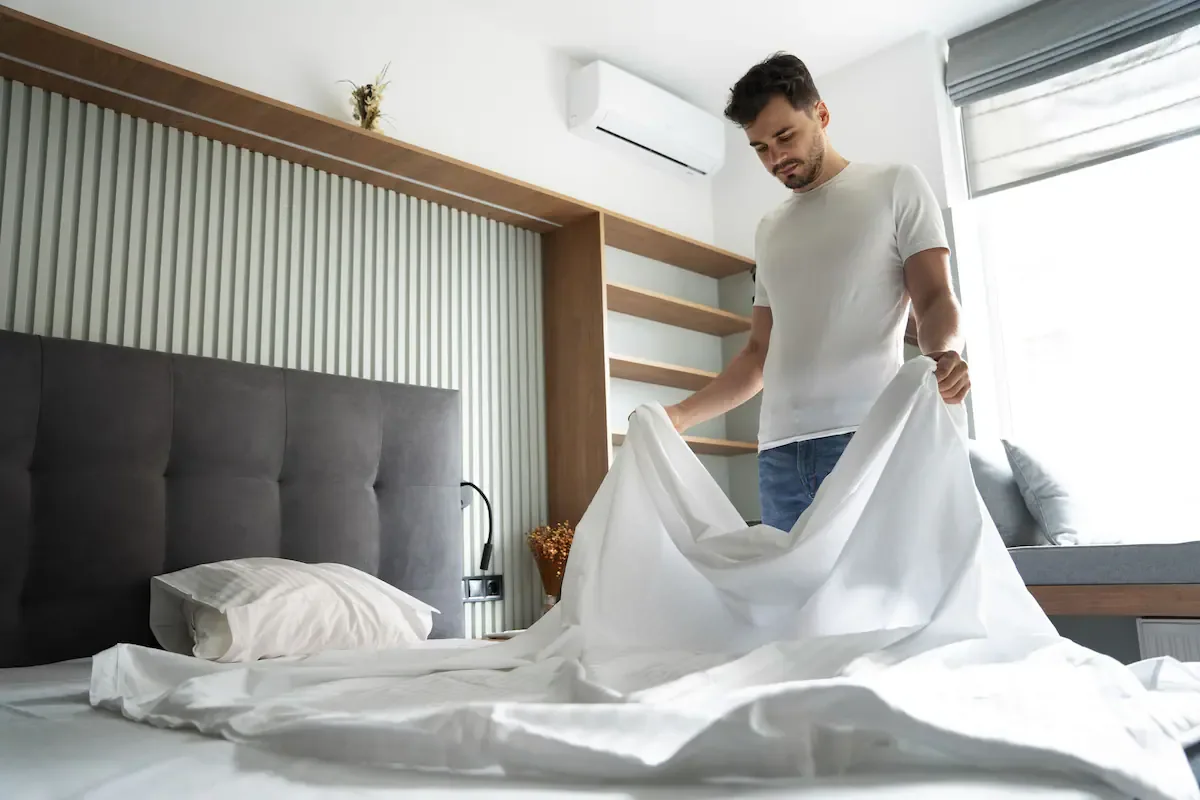
Bed linens require regular washing to eliminate dust mites and accumulated dead skin cells.
The Proper Laundry Schedule
Sticking to a weekly sheet-washing schedule creates a consistently clean sleep environment. However, certain conditions demand even more frequent laundering to maintain proper hygiene.
Specialists recommend washing sheets more than once a week during the hottest summer months when night sweats increase. The exact same rule applies if you share your bed with household pets.
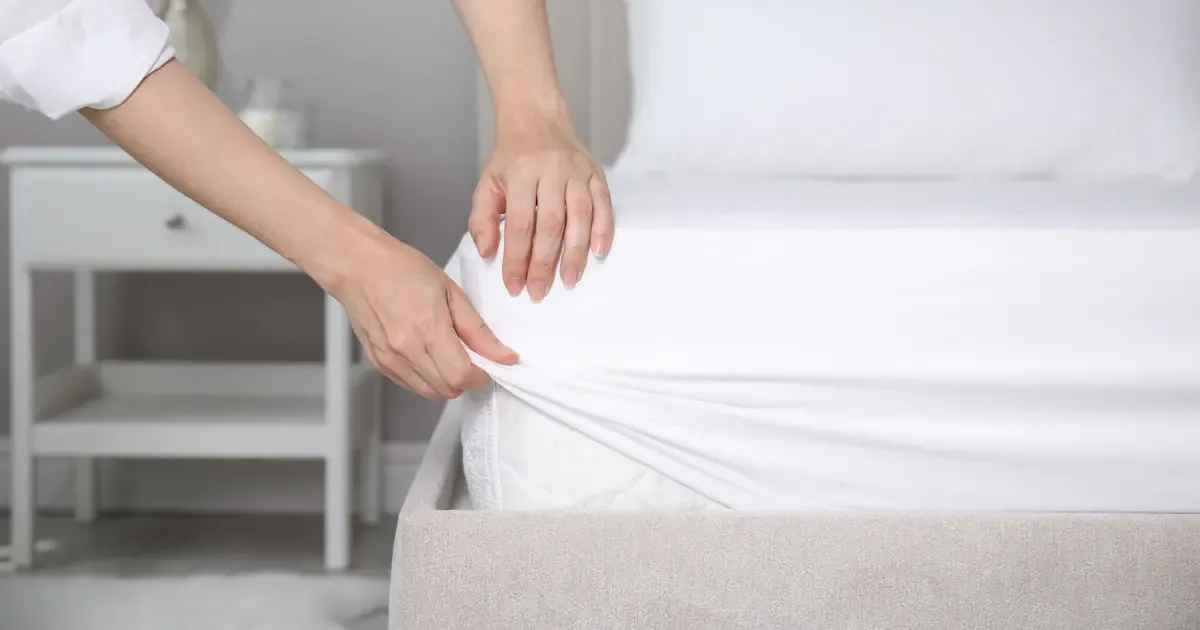
Your pillows, blankets, and comforters require less intense maintenance than fitted sheets. These heavier bedding items should go through a thorough wash every few months.
Daily Habits for a Cleaner Bed
Good hygiene extends well beyond the washing machine. When you do run a load of sheets, experts recommend using hot water to effectively kill lingering bacteria and allergens.
You should also strip the bed and deep clean your bare mattress approximately once every six months.
Finally, rethink your morning routine. Instead of making the bed immediately after waking up, leave the sheets pulled back for a while. This allows trapped overnight moisture to evaporate, eliminating the damp environment that dust mites need to thrive.