The Hidden Potential of Plastic Waste
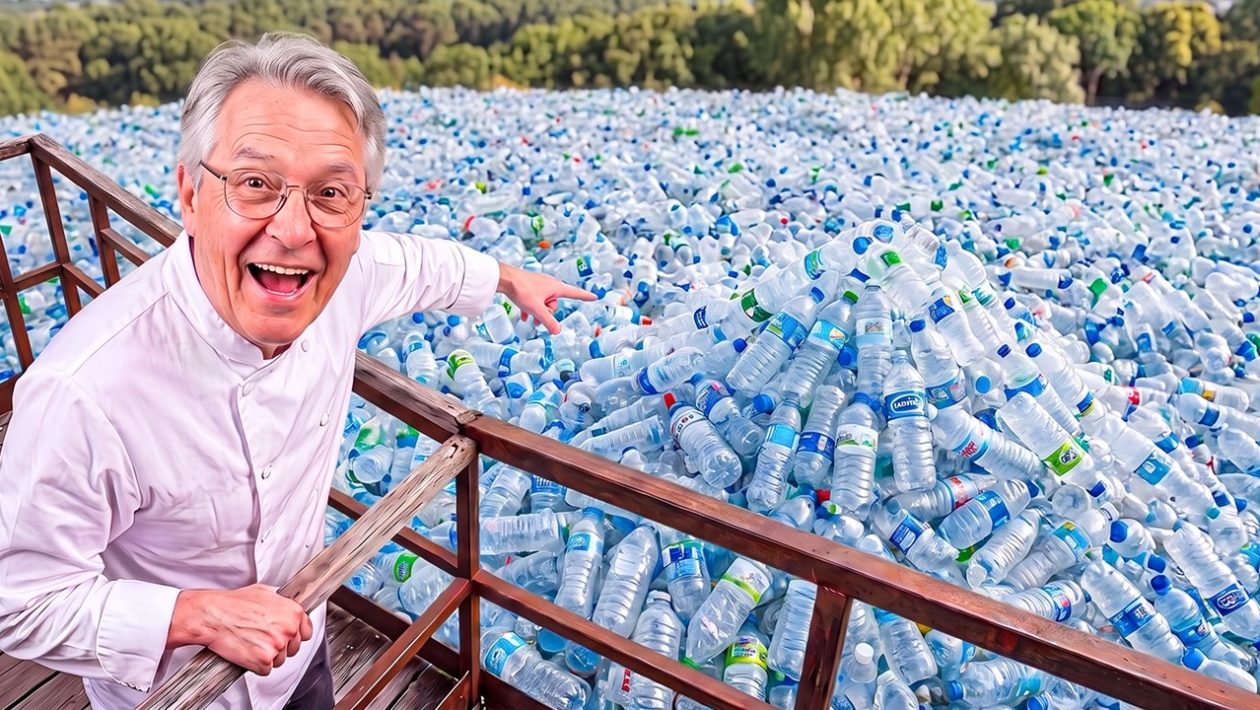
Americans discard millions of plastic bottles every day. While municipal recycling programs handle a large portion of this waste, repurposing these containers at home is a vastly more efficient use of the material.
PET plastic is incredibly durable, lightweight, and waterproof. Rather than treating an empty bottle as garbage, a slight shift in perspective reveals a free, highly adaptable raw material. With basic household tools, these containers can be transformed into practical gear you would otherwise have to buy.
Build a Self-Watering Planter
Houseplants often suffer from overwatering or neglect. A standard two-liter bottle solves this common gardening problem instantly. Simply cut the bottle in half horizontally with a utility knife.
Invert the top half so the spout points down, and nest it inside the bottom half. Run a piece of thick cotton string through the spout to act as a wick. Fill the top with potting soil and your plant, and pour water into the bottom reservoir. The plant will pull exactly the moisture it needs through the string.
Create Heavy-Duty Utility Scoops
Buying sturdy scoops for pet food, garden soil, or driveway ice melt adds up over time. Thick plastic jugs with built-in handles offer a rugged, free alternative.
Take an empty milk or detergent jug and wash it out thoroughly. Cut away the bottom at a diagonal angle, leaving the handle and the rigid upper structure intact. You now have a heavy-duty, ergonomic scoop that outlasts many cheap store-bought plastic versions.
Set Up Slow-Drip Garden Irrigation
Surface watering in the garden is often inefficient, evaporating long before it reaches deep root systems. Standard plastic water bottles make excellent underground drip-irrigation tanks.
Use an awl or drill to pierce several small holes around the lower half of a bottle. Bury the bottle next to a water-hungry plant like a tomato, leaving only the cap exposed above the soil line. Fill the bottle with a garden hose, and the water will slowly seep directly into the root zone.
Organize Tangled Cords and Cables
Entertainment centers and home offices are magnets for severe cable clutter. Plastic bottles provide a rigid, customizable way to bundle and route messy wires.
Cut the top and bottom off a standard, smooth-sided water bottle to create a simple plastic cylinder. Using scissors, slice the cylinder into a continuous spiral strip. Wrap this durable plastic coil tightly around bundled cables to keep them neat, protected, and free from tangles.
The Upcycling Advantage
Recycling is crucial, but it still requires massive amounts of industrial energy to transport, melt, and reform plastics. Upcycling intercepts that waste directly at the source.
By repurposing bottles into tools, you save money and reduce the overall demand for newly manufactured plastic goods. The next time you finish a bottled drink, look at the empty container as a versatile tool waiting to be shaped.